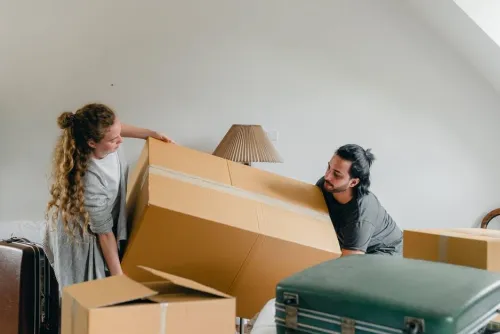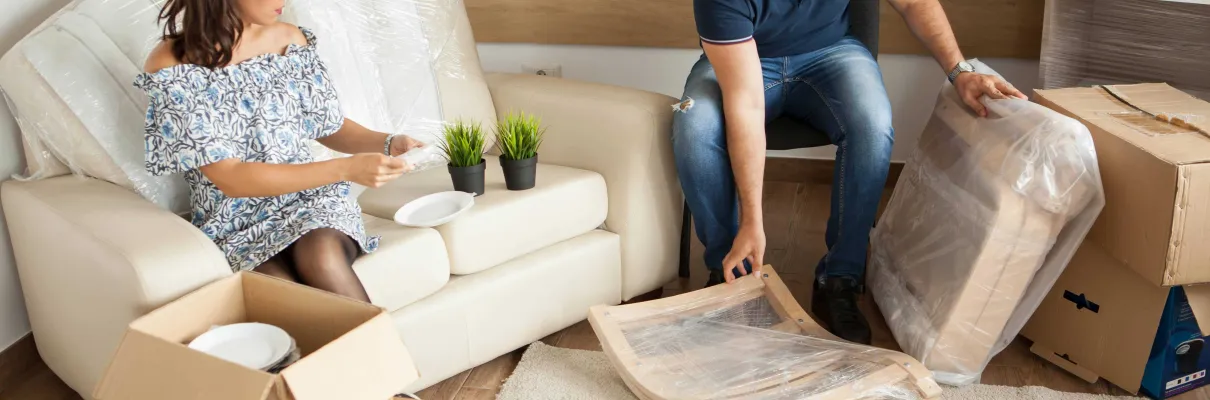

Packing a whole house is easier when you stop looking at it as one enormous job. Work room by room, starting with the spaces and belongings you use least. A good room-by-room packing guide keeps the work manageable now and makes unpacking easier after the move.
Before you start filling boxes, use a Moving Supplies Checklist to make sure you have enough boxes, tape, packing paper, markers and protective wrap. Then give each room a place in the schedule instead of trying to pack whatever happens to be in front of you.
Start With Garage and Storage Areas
Garages, basements, attics and storage rooms are good places to begin because you probably will not need most of their contents before moving day. They also tend to hold bulky or forgotten items that take time to sort.
- Separate items into keep, donate, sell and discard groups before you pack.
- Use small, sturdy boxes for hand tools and other heavy items.
- Protect sharp edges and bundle long-handled tools so they are easier to carry.
- Ask your moving company before packing paint, fuel, propane, chemicals or other potentially hazardous materials.
- Drain fuel from lawn equipment and follow your moving company's instructions for preparing powered equipment.
- If you're moving outdoor furniture, grills, lawn equipment or other items stored outside, inspect and clean them before packing. The USDA recommends checking outdoor items before a move because invasive pests and their eggs can hitch a ride to a new area.
This is also a good time to decide what should travel separately. Shipping a car, motorcycle or other large vehicle can free space in the moving truck and spare you a long drive during an already busy week. If you are moving far enough that driving the vehicle becomes another major task, professional vehicle shipping may be the simpler choice.
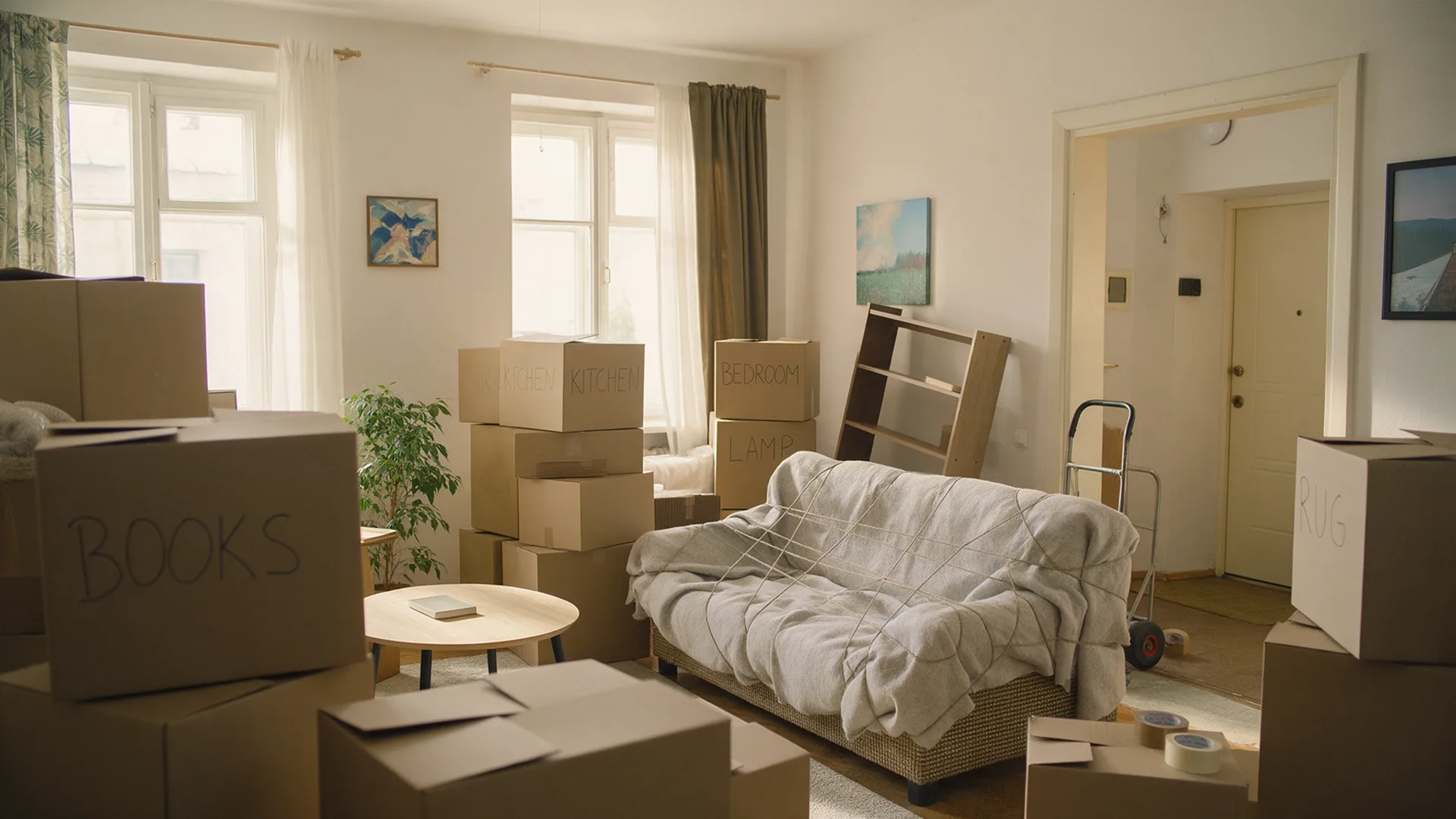
Pack the Home Office and Electronics Early
You may need your main computer until close to moving day, but most office contents can go into boxes sooner. Start with files, books, extra equipment and anything stored in drawers or cabinets.
- Back up important computer files before disconnecting equipment.
- Take a quick photo of cable connections before unplugging a complicated setup.
- Use original electronics boxes when you still have them, or sturdy boxes with plenty of padding.
- Pack books in smaller boxes so they do not become too heavy to lift.
- Keep passports, financial records, closing documents and other irreplaceable papers with you.
For more ways to use box space well without making boxes too heavy or difficult to unpack, see Pack Efficiently for a Big Move. The goal is not to squeeze the most possible into every box. It is to pack belongings so they arrive safely and are easy to find.
Pack Bedrooms and Living Spaces Next
Bedrooms and living rooms usually contain a mix of furniture, clothing, decor and personal items. Pack what you can live without first, then work toward the things you use every day.
- Pack off-season clothing first and leave about a week's worth of clothes accessible.
- Use wardrobe boxes for hanging clothes if you want to move them directly from closet to closet.
- Put furniture hardware in labeled bags and keep each bag with the piece it belongs to.
- Wrap mirrors, framed art and glass carefully, then mark the box so it stays upright.
- Keep jewelry, medications, keys and other small valuables with you.
Use the same labeling system throughout the house. Put the destination room, a short description of the contents and an unpacking priority on at least two sides of each box. That turns your moving list by room into an unpacking plan, too.
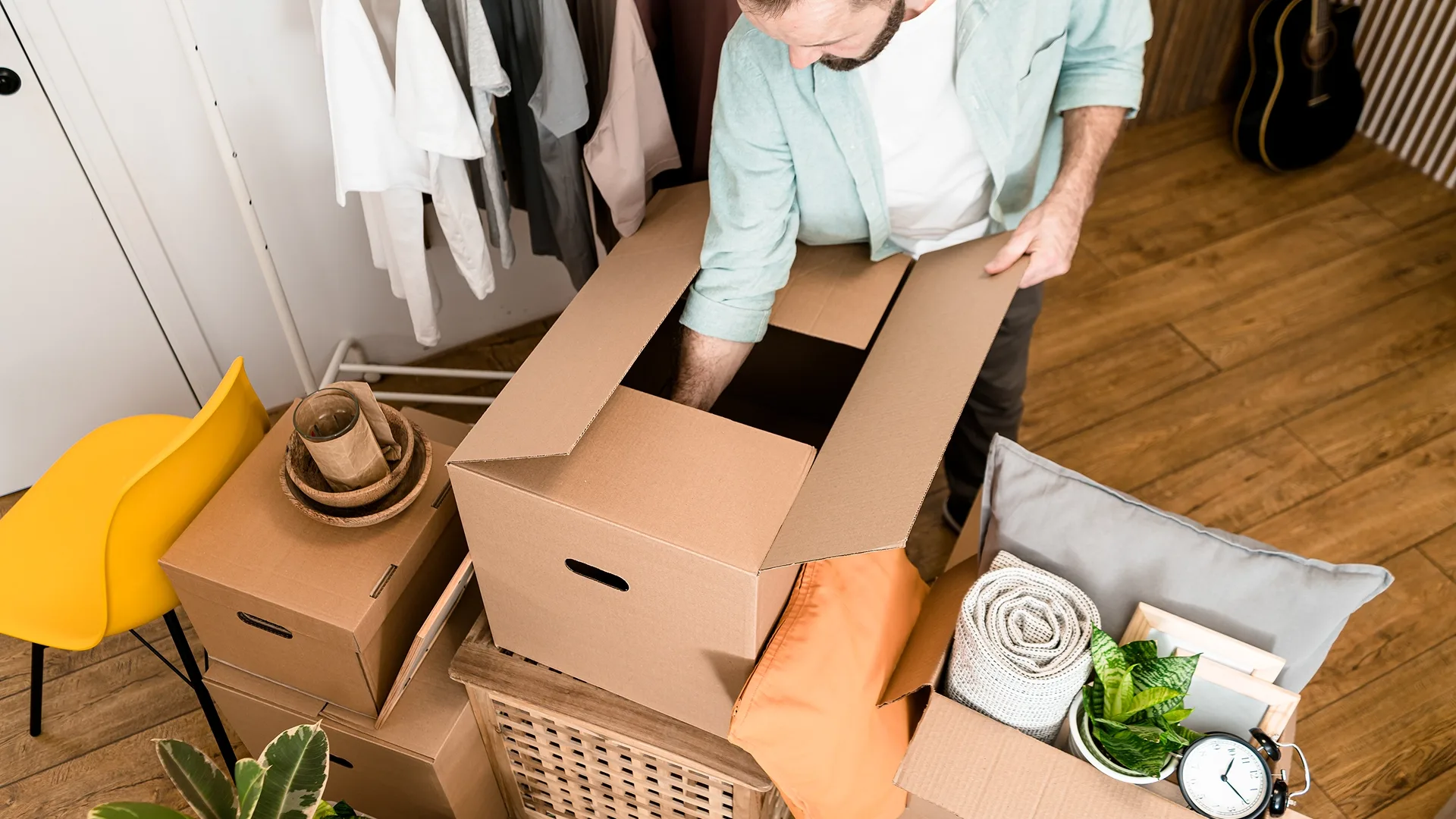
Leave the Kitchen and Bathrooms for the Final Week
Most people still need the kitchen and bathrooms until the last few days, so these rooms should come later. Start with duplicates and rarely used items, then work down to the basics.
- Discard expired food and donate unopened food you do not want to move.
- Wrap dishes and glassware individually and fill empty space so items cannot shift.
- Pack small appliances only after they are clean and completely dry.
- Seal toiletries in plastic bags before boxing them to contain leaks.
- Keep daily medications, basic toiletries, chargers, towels and a few kitchen essentials out for the trip and first night.
If you are moving to another state, the Federal Motor Carrier Safety Administration moving checklist is a useful reminder of the paperwork and practical details to review when hiring a moving company. Keep the documents you may need during the trip somewhere you can reach them.
Room By Room Packing Timeline and Supply Guide
Room Category |
Packing Timeframe |
Key Packing Materials |
Priority Level |
|---|---|---|---|
Garage and Storage Areas |
4-6 weeks before |
Small sturdy boxes, tape, protective wrap |
Start first |
Kitchen and Dining Room |
1-2 weeks before |
Dish boxes, packing paper, dividers |
Pack late |
Home Office and Electronics |
2-4 weeks before |
Electronics boxes, padding, labels |
High |
Bedrooms and Living Spaces |
2-3 weeks before |
Wardrobe boxes, furniture wrap, picture boxes |
Medium |
Your schedule may move faster or slower depending on the size of your home and how much you own. If you are still building the overall budget, the Moving Cost Calculator for Moving Estimates can give you a starting point before moving day gets close.
Keep Moving-Day Essentials Out of the Boxes
Some belongings should never disappear into the stack of boxes. Set aside one clearly marked group that travels with you. Include IDs, keys, medications, chargers, closing or lease documents, a change of clothes, toiletries, pet supplies and anything children will need during the trip.
Keep valuable or irreplaceable belongings with you as well. The Federal Motor Carrier Safety Administration explains that interstate moving companies offer different levels of protection if household goods are lost or damaged. Review liability and protection options before the move so you understand what is covered.
When you arrive, having those essentials separated means you can get through the first night without opening a dozen boxes. The First Week After Moving to a New Home guide can help you prioritize what comes next.
Printable Room-by-Room Packing Checklist
Print this section or save it with your moving paperwork. Check off each task as you work through the house.
Garage and Storage Areas
- Sort items into keep, donate, sell and discard groups.
- Pack hand tools in small, sturdy boxes.
- Bundle and protect long-handled tools.
- Drain fuel from lawn equipment as required.
- Check what your moving company will not carry, including paint, fuel, propane and other hazardous materials.
- Decide whether motorcycles or other motorized equipment will travel separately.
- Clearly label boxes containing heavy items.
Home Office and Electronics
- Back up important computer files.
- Photograph cable connections before disconnecting electronics.
- Pack electronics in original boxes if you have them.
- Use smaller boxes for books and other heavy items.
- Label cables, chargers and accessories so they're easy to reconnect.
- Keep passports, financial records, closing documents and other important paperwork with you.
Bedrooms
- Pack off-season and rarely worn clothing first.
- Set aside enough clothing for moving week and the trip.
- Use wardrobe boxes for hanging clothes if needed.
- Label furniture hardware before disassembly.
- Protect mirrors, framed photos and other breakable decor.
- Keep jewelry and other small valuables with you.
- Pack bedding you'll need immediately in a clearly marked box.
Living Room
- Photograph electronics before disconnecting cables.
- Pack remotes, cords and accessories with the equipment they belong to.
- Remove and label hardware from furniture being disassembled.
- Wrap artwork, mirrors and decorative items individually.
- Roll and tape rugs.
- Protect lamps and pack shades separately when necessary.
- Set aside anything you'll want during your first evening in the new home.
Kitchen and Dining Room
- Discard expired food and donate unopened food you don't want to move.
- Pack rarely used cookware and serving pieces first.
- Wrap dishes, glasses and other breakables individually.
- Fill empty box space so fragile items can't shift.
- Clean and dry small appliances before packing them.
- Pack table linens and other nonessential items early.
- Set aside basic dishes, utensils and kitchen supplies for your last few days and first night.
Bathrooms
- Dispose of expired or unwanted toiletries.
- Place liquids in plastic bags to hold leaks.
- Pack extra towels and linens.
- Keep daily toiletries accessible.
- Keep medications with you rather than packing them on the moving truck.
- Prepare a first-night bathroom box with soap, towels, toilet paper and other basics.
Every Room
- Label each box with its destination room.
- Add a short description of what's inside.
- Mark boxes that contain fragile items.
- Add an unpacking priority such as Open First, Soon or Later.
- Mark at least two sides so the information remains visible when boxes are stacked.
- Number boxes if you want an easy way to check that everything arrived.
Moving Day
- Keep IDs, keys and important documents with you.
- Keep medications and valuables with you.
- Pack phone chargers where they're easy to get to.
- Set aside clothes and toiletries for the trip.
- Keep pet supplies and children's essentials accessible.
- Check closets, cabinets, drawers, attic and storage areas one last time.
- Make certain that all boxes are labeled before they're loaded.
- Keep your first-night essentials separate from the rest of the shipment.
Frequently Asked Questions
How should I pack and move delicate wall art and large glass items safely?
Use a picture or mirror box when possible. Protect the surface and corners, add enough cushioning to prevent movement and clearly mark the box to stay upright. For a valuable or unusually large piece, ask your moving company whether it should be professionally crated.
What strategy prevents essential personal items from getting lost during a long-distance relocation?
Create one “essentials” group that stays with you instead of going on the moving truck. Include IDs, medications, keys, important documents, valuables, chargers and anything you will need during the trip or immediately after arrival.
How far in advance should auto shipping be scheduled relative to household packing?
Arrange car shipping while you are still packing rather than waiting until moving week. Nexus generally recommends booking one to two weeks ahead. That gives the Nexus team more time to find an available driver whose route and schedule fit your move.
What is the best method for labeling boxes to make unpacking at the destination effortless?
Label at least two sides of each box with the destination room, a short description of the contents and an unpacking priority such as “open first,” "soon," or “later." Numbering the boxes can also make it easier to notice if one is missing.
Finish Packing with the Move-In in Mind
A useful room-by-room checklist for moving should make the other end of the move easier, not just get everything into boxes. Pack in the order you use your rooms, label for the new home and keep first-night essentials within reach. If you are still working out the household moving budget, check moving cost here before you lock in the rest of your plans.