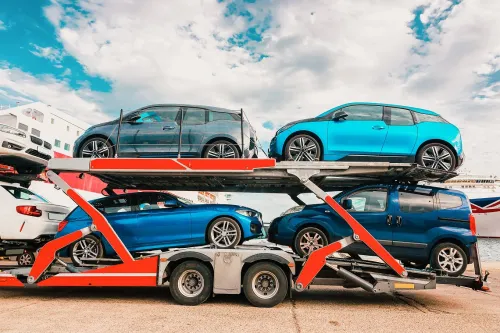
Shipping a car across the country is a service millions of Americans use each year due to family relocations, remote vehicle purchases, and snowbird migrations. Those needing a vehicle shipped cross country use a system of brokers and carriers that moves tens of thousands of vehicles every week. Most shipments go smoothly, but when things go wrong, they often go wrong in consistent ways.
Understanding the most common issues when transporting cars, and how to prevent them, is the difference between a stress-free experience and a headache. That difference is where Nexus Auto Transport excels.
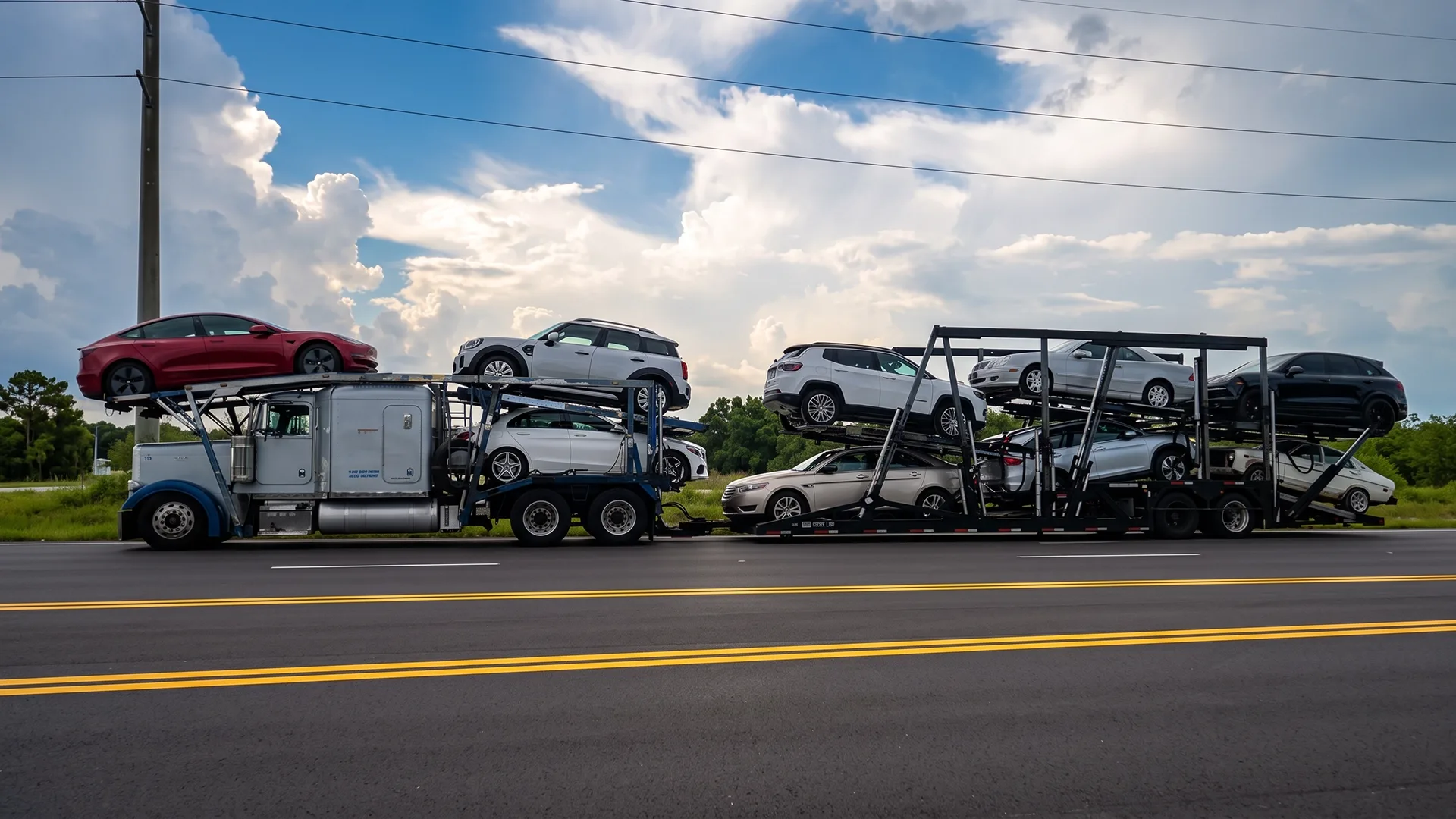
Challenge #1: Finding a Legitimate Transporter
The first and most important issue when planning your cross-country car transport is finding a top-notch transporter. The auto transport industry has two main players:
- Brokers, who arrange shipments but do not own trucks.
- Carriers, who own and operate the equipment.
Most consumers book through a broker. However, the low barrier to entry in online auto transport advertising means your search results can point you to quote aggregators, poorly capitalized brokers, and fraudulent operations that compete for the same search traffic as established companies.
Solution
Every legitimate carrier or broker involved in interstate auto transport must register with the Federal Motor Carrier Safety Administration (FMCSA). Before sending your deposit to a company, ask for their MC number and go to the FMCSA site, where you can look up the company.
All legitimate carriers should have an active registration, valid insurance on file, and a satisfactory safety rating as the baseline. If a company cannot provide an MC number or their FMCSA record shows a revoked or inactive status, find someone else to move your vehicle.
Challenge #2: Scams and Bait-and-Switch Pricing
The auto transport industry has scammers who tend to follow a pattern. When planning your cross-country car transport, you may receive an unusually low quote, pay the deposit, and after the vehicle is scheduled or even picked up, you receive a demand for more money. Typically, the excuses for the additional fees include fuel surcharges, route changes, and oversized vehicle fees. In some cases, the "company" collecting the deposit is a ghost operation with no carrier relationships, and the money disappears.
Solution
You can safeguard against scams in several ways.
- Obtain multiple car shipping quotes to see where the average price point sits. Anything falling well below the others may be a red flag. In 2026, shipping a vehicle cross-country using open transport runs $1,100 to $1,600, depending on the model, and your origin and destination. Very low quotes suggest either a bait-and-switch tactic or a carrier who might deprioritize your shipment when they find a better-paying load.
- Read the contract before making a deposit. Legitimate companies provide their pricing, cancellation terms, and delivery windows in writing.
- Pay by credit card when possible since the credit card company can charge back the payment if the company fails to deliver or disappears after collecting a deposit.
Double brokering is one of the potential issues when transporting cars. In those situations, a broker accepts your shipment and then passes it to a second broker without disclosure, who then passes it to a carrier, leading to a lack of accountability if something goes wrong. Ask your broker whether they use sub-brokers and get their response in writing.
Challenge #3: Vehicle Damage
Open transport carriers are the most common methods to transport vehicles. That can lead to minor windshield cracks from dirt and debris on the road. While these are relatively few and far between, it helps to have clear expectations of who pays for damage, and how much, and if there is insurance coverage.

Solution
A critical element of the paperwork is the Bill of Lading (BOL), which is the official condition report accompanying every shipment. When a carrier picks up your vehicle, inspect the vehicle yourself, photograph every panel, the roof, the glass, and existing chips or scratches with timestamped photos. The driver will do the same, record the information in the BOL. Before signing, confirm that the driver's written condition report matches what you found.
At delivery, you and the driver should inspect the vehicle under good lighting. Again, take timestamped pictures and confirm that the driver's vehicle condition findings listed in the BOL match yours. Be aware that your signature acknowledging that the vehicle arrived without damage makes a subsequent claim extremely difficult to win.
Also, be aware of how insurance works in the transport business. The carrier's cargo insurance covering the vehicle is adequate for minor bumps and bruises but can fall short of fully covering your vehicle in the case of a major accident in which multiple vehicles sustain damage. Weather damage on open carriers is frequently excluded, and your personal auto insurance almost certainly does not cover damage during third-party transport. However, you can buy supplemental insurance before shipping your vehicle, so consider that option.
Challenge #4: Delays
When you book your vehicle transportation, you receive pickup and delivery windows, not guaranteed dates. That means a company quoting a five-to-ten-day transit for a cross-country shipment is providing their best estimate of the travel time.
However, one of the risks of shipping a car is that the timing may be affected by many issues, most of which the carrier does not control:
- Weather
- Mechanical breakdowns
- Route changes and traffic
- Picking up another vehicle
- Regulatory delays at weigh stations
Solution
The primary solution is to manage your expectations and plan accordingly. If you have hard dates to be met, you can request expedited service, though it will cost more. Otherwise, do not make rigid plans that do not account for the pickup and delivery windows.
Challenge #5: Pricing Confusion and Hidden Fees
Quotes from different brokers for the same route and vehicle can vary by hundreds of dollars. Pricing can vary for:
- Oversized or inoperable vehicles
- Rural pickup or delivery locations
- Tight scheduling windows
Solution
The solution is to comparison shop. Provide the same information to each potential company and check each carrier's review on Forbes, TrustPilot, the Better Business Bureau, and similar sites.
Quotes built on identical inputs are genuinely comparable. Quotes that differ dramatically on the same information deserve skepticism. Ask the low bidder exactly what's included and what isn't before paying anything.
How We Reduce the Risks of Shipping a Car
Cross-country auto transport is a multi-billion-dollar industry with many professional carriers and brokers. Consumers who encounter problems often skip the verification steps mentioned earlier, sign documents without reading them, or opt for the lowest quote.
Understanding and executing cross-country transport is a core part of our business. As a leading broker, Nexus Auto Transport has a nationwide network of vetted carriers who understand and are experienced with coast-to-coast transfers. Contact us today for a quote, as our 3-step process makes it easy and safeguards your vehicle from start to finish.
Instant Quote: https://nexusautotransport.com/car-shipping-calculator
Cross-Country Car Shipping Options Comparison
Transport Method |
Protection Level |
Cost Range |
Average Transit Window |
|---|---|---|---|
Open Carrier |
Basic; exposure to weather and road debris; suitable for standard vehicles |
$1,100–$1,600 (cross-country) |
5 to 10 days |
Enclosed Carrier |
Full; sealed trailer shields vehicle; ideal for luxury, classic, or high-value vehicles |
$1,500–$2,800 (cross-country) |
7–14 days |
Expedited Shipping |
Varies; available in open or enclosed; priority scheduling guarantees faster pickup and delivery |
$300–$600 premium above standard rates |
4 to 7days |
FAQs
How do I verify the credentials of an auto transport broker on the Federal Motor Carrier Safety Administration registry?
Ask for the carrier's USDOT or MC number and go to the FMCSA site, where you can look up the company using either number or their name. Confirm they have an active registration, are insured, and address other potential issues.
What is the standard industry deductible in case of carrier transport damage?
There isn't a standard consumer-facing deductible in auto transport as there is with a personal auto insurance policy. The carrier's cargo insurance policy has a deductible, but you don't pay that; the carrier does.
Because the carrier faces a deductible, they may choose to pay out of pocket for a small claim rather than report it to their insurer. Either way, you should receive compensation if damage occurs.
Can I leave personal items in the trunk of my vehicle during cross-country shipping?
Personal effects left in the vehicle are generally not covered by the carrier's cargo insurance. Most auto transporters will ask you to remove personal items from your vehicle, both for insurance purposes and to keep the weight down.
How does terminal-to-terminal shipping compare to door-to-door transport in terms of scheduling flexibility?
With terminal-to-terminal shipping, you have the flexibility to drop off and pick up the vehicle at a time that works for you, though you may pay storage fees if you drop off early or pick up late. However, since many terminals are in urban areas, the terminal-to-terminal approach may not be convenient if you do not live near a terminal.
The terminal approach can also increase your total transfer since your car will not be loaded until a truck running your route is full. This issue is less of an issue on popular routes but can cause delays when traveling to or from medium-sized cities or rural areas.