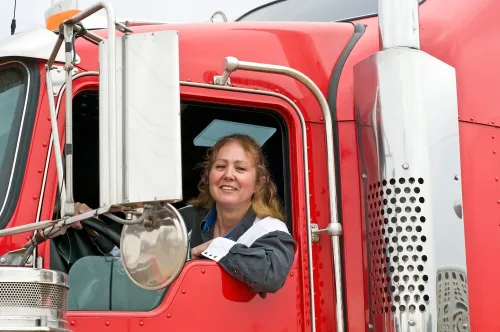

You may never think about how many car hauler drivers are available until your move is booked and you need your vehicle picked up. Then capacity becomes very real. When fewer qualified drivers are working a route, customers can face longer waits for open trailer space and more competition for the trucks that are available.
A driver shortage does not make car shipping unreliable. Timing and price simply become more sensitive to route, season and scheduling flexibility.
What the Truck Driver Shortage Means for Car Shippers
The trucking labor market is under pressure, although there is debate over whether recruiting or retention is the bigger problem. For vehicle shippers, the practical issue is capacity.
A busy lane between major cities may have frequent service, while a rural pickup or uncommon destination can take longer to match. That is why one cross-country car shipping order can move differently from another shipment covering roughly the same mileage.
The U.S. Bureau of Labor Statistics projects 237,600 openings for heavy and tractor-trailer drivers each year from 2024 through 2034, many to replace people who retire, switch occupations or leave the workforce.
U.S. Bureau of Labor Statistics data also projects 4% employment growth for heavy and tractor-trailer drivers over the decade. Those figures cover trucking broadly, not car hauling alone, but they show the scale of the labor market from which vehicle carriers must recruit.
Why Qualified Drivers Can Be Hard to Find
- Drivers retire or leave the industry. Trucking needs a steady supply of new car transportation drivers just to replace people who retire or move to other jobs.
- Long-haul trucking is a tough job. Drivers can spend days away from home and work irregular hours. Finding new drivers matters, but so does keeping experienced ones.
- Not everyone can qualify to drive a commercial truck. Federal licensing and safety rules determine who can drive. Changes to those rules can increase or reduce the number of qualified drivers.
- Car hauling takes additional skills. Drivers have to safely load, position and secure several vehicles while staying within size and weight limits. They also have to deal with pickup and delivery locations that may be difficult for a large truck to reach.
The 2026 Federal Motor Carrier Safety Administration guidance changed the rules for some commercial drivers. For car shipping customers, the important point is simple: changes in driver requirements can affect how many qualified drivers are available.
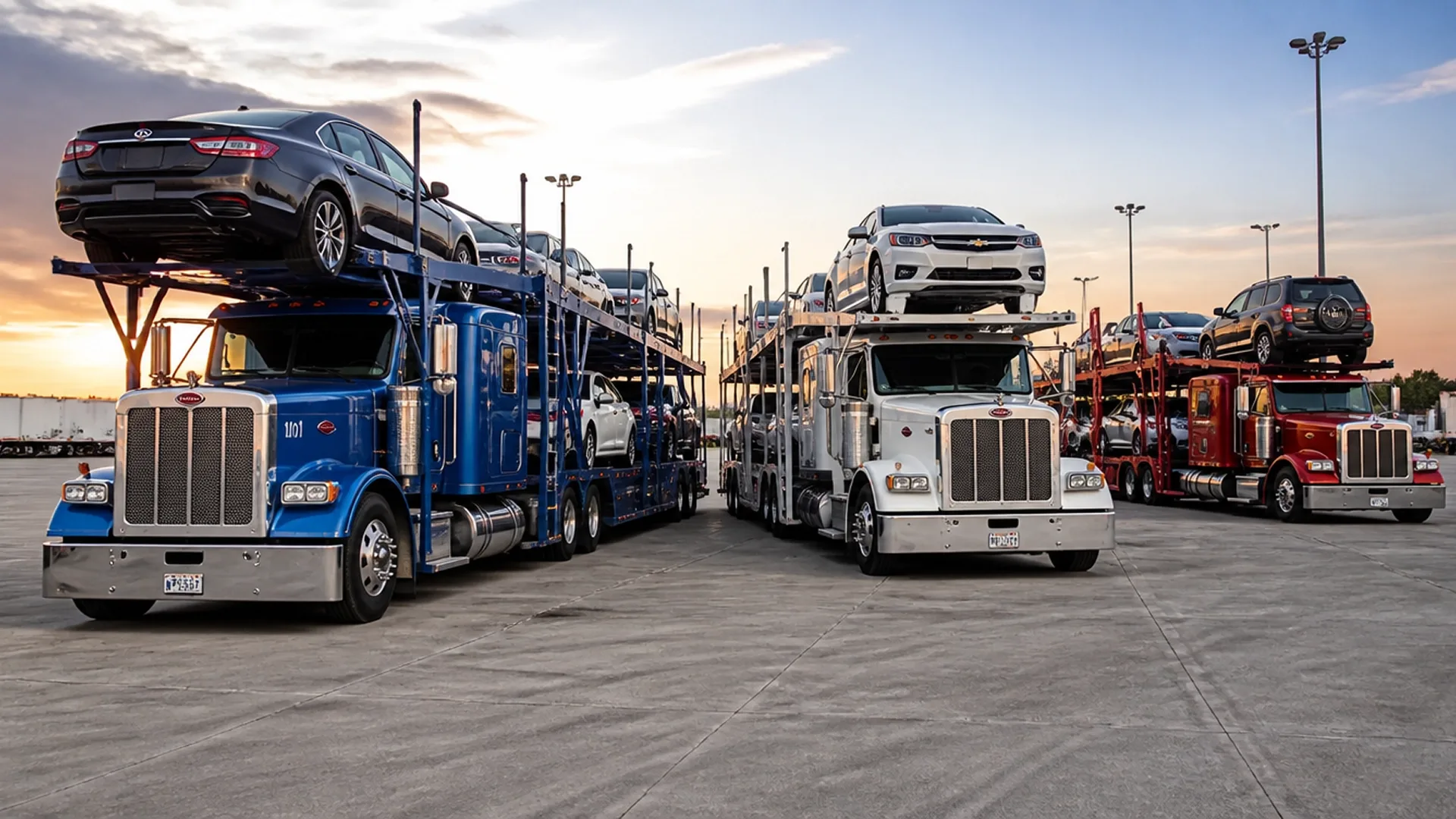
Why Car Hauler Demand Can Spike Quickly
Demand for car shipping changes throughout the year. Household moves, online car purchases, dealer transfers, auctions and seasonal moves can all put more vehicles on the road at the same time. When that happens, there aren't suddenly more car haulers available to carry them, creating a truck driver shortage.
That matters when you need to ship a car to another state. A flexible shipment on a busy route is usually easier to schedule than a car that must be picked up on a specific day in a remote area.
The type of transport you choose also matters. Open carriers are much more common, while specialized equipment is harder to find. If your schedule is tight, having fewer suitable trucks can make pickup harder to arrange.
Enclosed car transporters are less common than open carriers, so it's smart to allow some extra time when possible. Enclosed shipping isn't less reliable. There are simply fewer enclosed trucks available on any given route.
How to Make Your Vehicle Easier to Schedule
You cannot control how many trucks are operating in your area, but good planning gives dispatch more opportunities to fit your vehicle into an existing route.
- Book ahead when possible. One to two weeks of lead time generally gives Nexus more flexibility to find a suitable third-party carrier and rate.
- Give dispatch a workable pickup window. If your schedule truly cannot move, ask about expedited service rather than assuming a standard order will meet an exact-day requirement.
- Disclose the vehicle accurately. Oversized tires, lifts, low ground clearance, inoperable condition and other modifications can change the equipment needed for safe loading.
Before pickup, review the required documents to ship a car and make sure you or another designated adult can release the vehicle. Having the basics settled prevents avoidable problems after a carrier has already committed to the route.
Pickup includes a vehicle inspection. Take photos and make sure existing damage is recorded before loading. The condition report is reviewed again at delivery, so accuracy at pickup matters.
The Bill of Lading records the vehicle condition and shipment information. Do not treat it as paperwork to sign without reading. Check the inspection details at both ends of the trip before you sign.
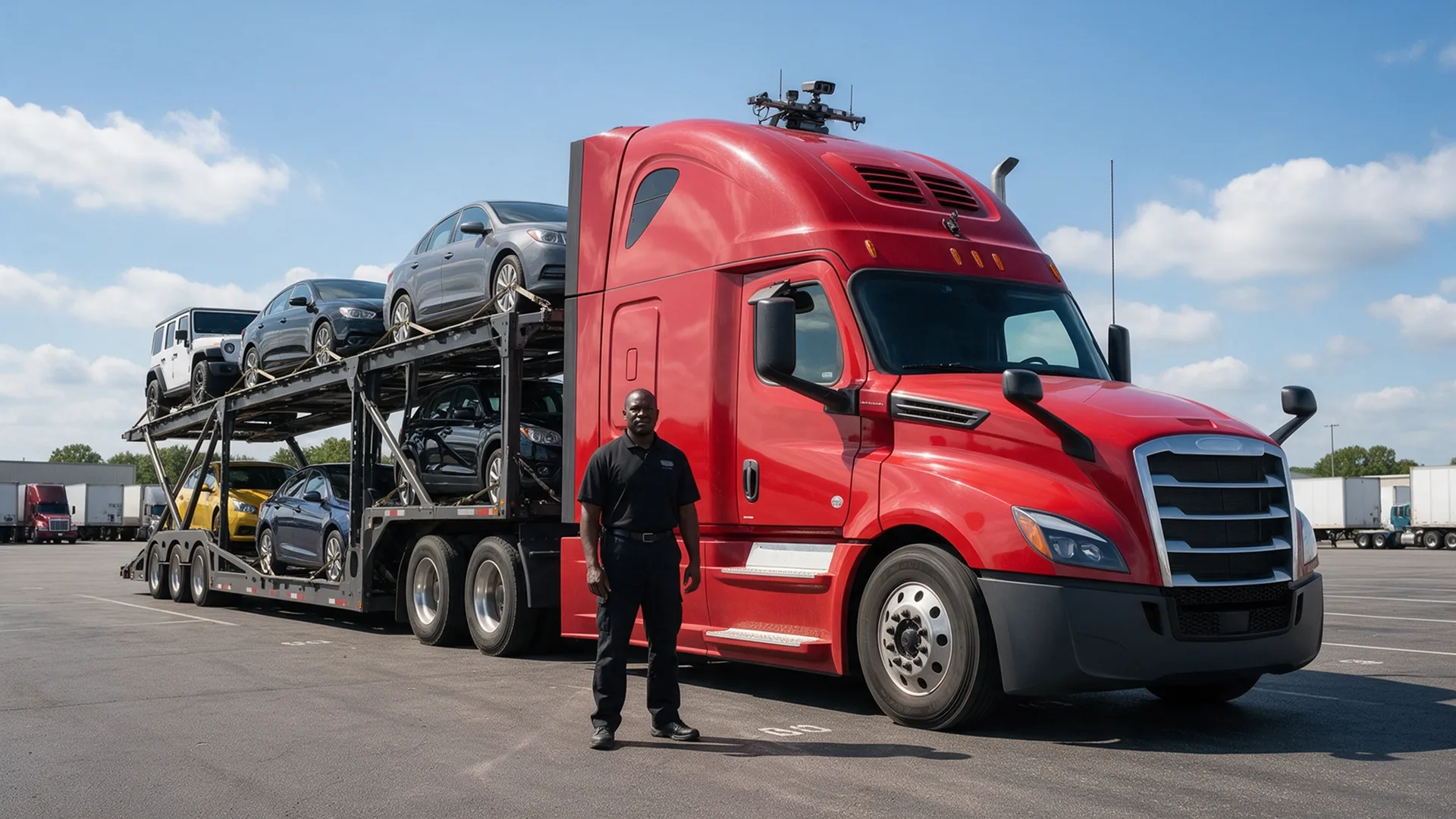
Carrier Availability and Shipping Options
Some routes also support smaller carriers. Hot shot car transport can make sense for certain loads, but it is not a universal shortcut around capacity constraints. The right equipment depends on the vehicle, route and timing.
Whichever service you choose, carrier assignment still depends on a truck being in the right area with suitable space and equipment. Flexibility helps because dispatch can consider more workable combinations instead of eliminating otherwise suitable carriers over a narrow pickup requirement.
Service Type |
Impact of Driver Shortage |
Best Solution |
|---|---|---|
Open Car Transport |
Largest carrier pool, but peak demand can still reduce open trailer space. |
Book early and allow a reasonable pickup window. |
Enclosed Carrier |
A smaller specialized pool can mean fewer suitable trucks on a route. |
Allow extra scheduling time when possible. |
Expedited Shipping |
Urgent orders compete for limited capacity and may cost more to place quickly. |
Use when pickup timing matters more than the lowest rate. |
How Nexus Helps When Capacity Is Tight
Nexus Auto Transport is a broker, not the company physically driving the truck. It coordinates shipments with independent third-party carriers based on route, vehicle, timing and equipment.
Carrier protection is another part of the process. Customers should understand car carrier insurance and review the shipment paperwork before the vehicle leaves. Nexus also provides the assigned carrier’s contact information once a carrier is confirmed.
Weather, traffic, mechanical trouble and road closures can change an estimated arrival time. Coordination helps keep the customer informed when they do.
At delivery, the transport charge and any optional tip to your auto transport driver are separate matters. Tipping is optional and has no bearing on whether a carrier is assigned to the order.
FAQs
How can I avoid shipping delays when there is an active driver shortage?
Book as early as practical, provide accurate vehicle and location information and keep your pickup window flexible when you can. Nexus generally recommends booking one to two weeks ahead. If you have a hard deadline, discuss expedited shipping before booking.
Does the driver shortage increase the price of door-to-door shipping?
It can. Limited carrier capacity can push rates higher when many vehicles are competing for available trailer space. Distance, vehicle size, route, season, transport type and timing also affect price, so driver availability is one factor rather than the sole reason a quote changes.
What guarantees do I have that a carrier will actually be assigned to my transport order?
Carrier assignment depends on third-party availability, route and timing, so pickup and delivery dates are estimates rather than guarantees. Nexus says most shipments are assigned within one to three days of the first available pickup date, although actual timing can vary.
Plan Ahead When Car Hauler Availability Is Tight
Limited driver availability does not mean you should expect a bad shipping experience. Accurate information, reasonable lead time and some flexibility give dispatch more ways to solve the shipment.
If you are planning a move, start with an Instant Quote based on your actual vehicle, pickup and delivery locations and timing. That gives you a current starting point for planning around carrier availability rather than guessing from national trucking headlines.