California still has nearly 40 million residents, so “everyone” certainly isn’t leaving. But the state continues to lose a substantial number of residents to other parts of the country. The question is, should you live in California or not.
The latest U.S. Census Bureau estimates put California’s July 2025 population at about 39.36 million. The state lost nearly 230,000 residents through domestic migration during the previous year, meaning far more people moved from California to other states than moved in from elsewhere in the U.S.
For someone contemplating the same move, the interesting question isn’t whether California is emptying out. It’s why people are leaving, where they’re going and how to get everything, including the car, to the new home.
Housing Costs Remain a Big Reason Californians Leave
The Public Policy Institute of California reported in January 2026 that almost 10 million people moved from California to other states between 2010 and 2024, while just over 7 million moved into California from elsewhere in the country. Its research points to housing affordability as one of the major forces behind those departures.
That’s not difficult to understand when you look at current home prices. In the second quarter of 2026, the California Association of Realtors put the median single-family home price at $916,750. Only 19% of California households could afford a median-priced home under the association’s methodology.
For someone paying California housing costs, moving somewhere with a lower purchase price or rent can change the household budget dramatically. Those prices are among the disadvantages of living in California.
The Public Policy Institute of California also notes that the pace of outmigration has eased from its pandemic peak. This isn’t a one-direction story. People continue to move into California as others leave.
Where Are Californians Going?
Nearby states have an obvious attraction. Arizona and Nevada can offer a change in housing costs and taxes without putting a former Californian on the other side of the country.
Texas and Florida draw plenty of Californians too. PPIC’s 2026 analysis found substantial net migration from California to both states, while also noting that the gap has narrowed from the pandemic-era surge.
Cost isn’t the only consideration. A new job, family, retirement, climate and the ability to work remotely can all influence the decision.
Once you’ve picked the destination, though, the move gets very practical very quickly. You have furniture, household goods, travel arrangements and at least one vehicle to deal with.
That’s where planning for moving from state to state becomes more useful than another generic packing checklist.
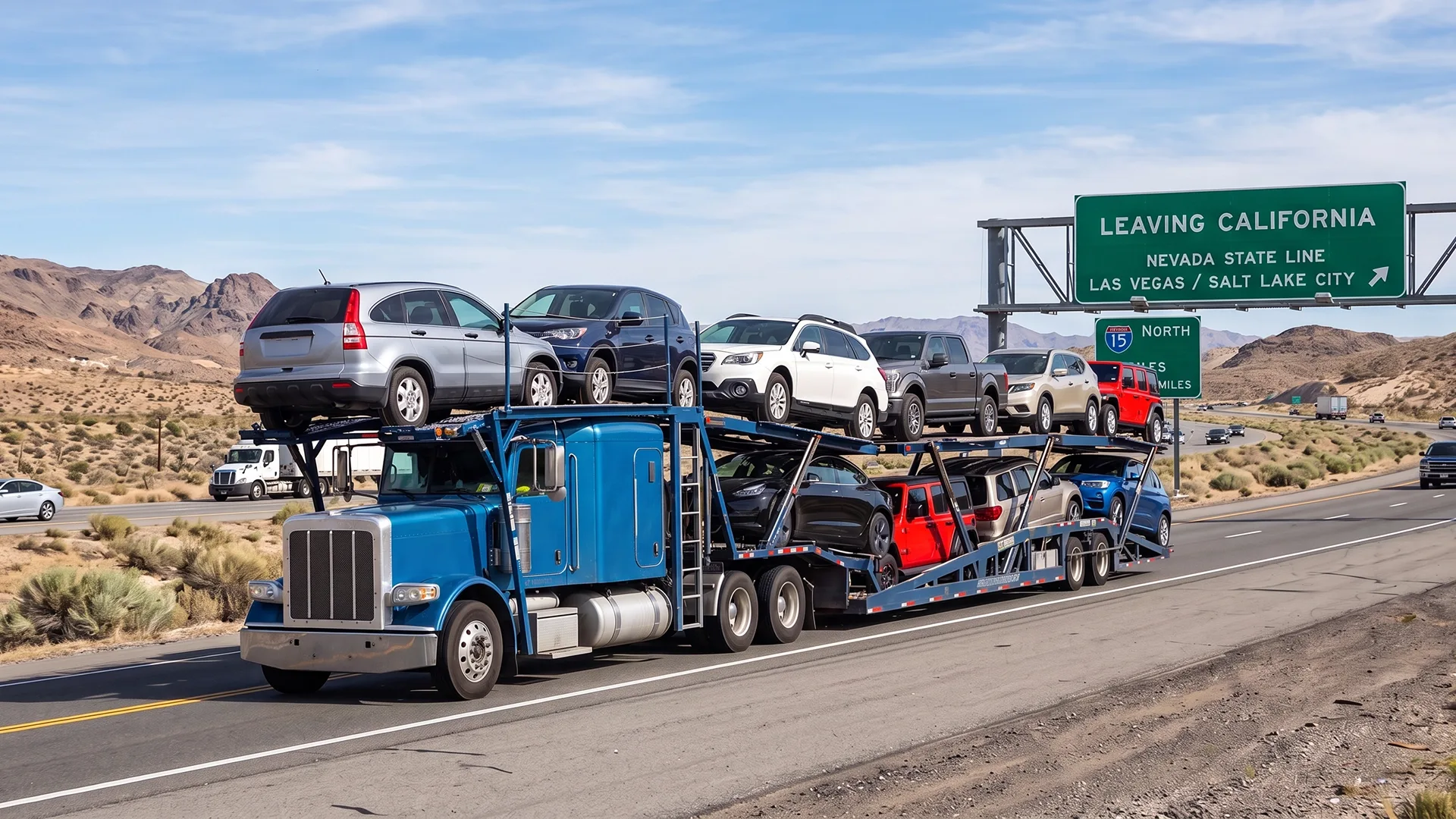
Decide Early Whether You’ll Drive or Ship the Car
Driving your own vehicle makes sense for some moves. California to Nevada or Arizona, for example, may be a manageable road trip depending on where you start and finish.
California to Texas is a different undertaking. California to Florida or New York turns the move into a multiday drive.
Before automatically choosing one option, consider:
- Distance: How many hours or days would you actually spend behind the wheel?
- Travel costs: Fuel is only part of it. Add hotels, meals and possibly an extra night because the trip took longer than expected.
- Mileage: A cross-country trip can add several thousand miles to the vehicle.
- Your moving schedule: Driving may be inconvenient if you’re already coordinating movers, flights, closing dates or a new job.
- The vehicle itself: You may not want a classic, luxury car or low-mileage vehicle making a 2,500-mile road trip.
Having a company ship a car to another state doesn’t eliminate every bit of coordination, but it takes the long drive off your moving list.
For a household already dealing with a California move, that can be worth more than the mileage saved.
How Much Does It Cost to Ship a Car from California?
There isn’t one California car-shipping price.
A short shipment from Southern California to Nevada may cost far less than sending the same car from San Francisco to Florida. Vehicle size, exact cities, season, carrier availability and service type all influence the quote.
The biggest pricing factors usually include:
- Pickup and delivery locations
- Total route distance
- Vehicle size and weight
- Whether the car runs
- Open or enclosed transport
- Current carrier demand
- Time of year and scheduling flexibility
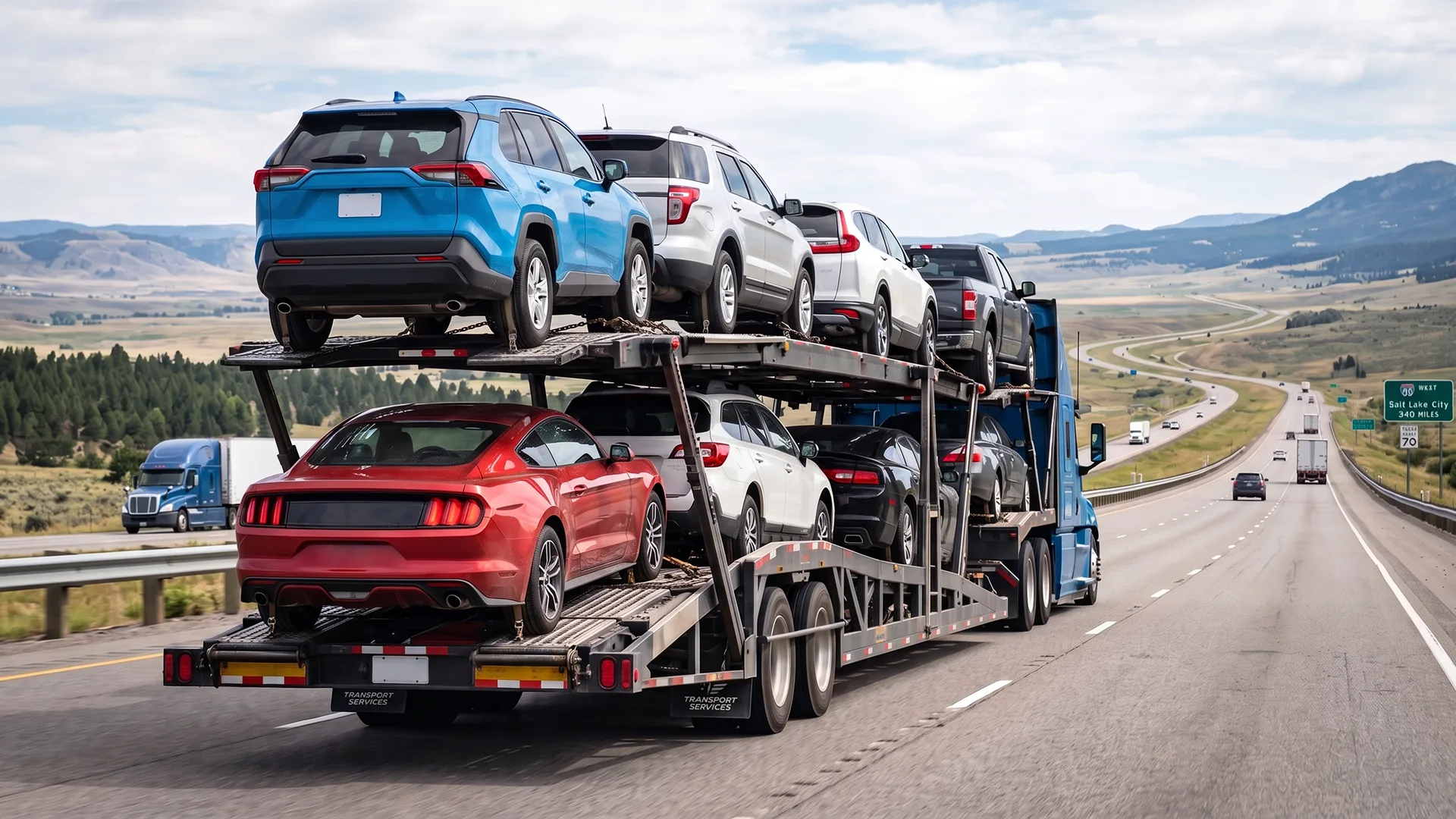
Open transport is normally the lower-cost choice. An open carrier carries several vehicles on the familiar multilevel trailers you see on the highway.
Enclosed transport costs more because fewer vehicles are carried and the trailer provides additional protection from weather and road debris. It’s worth considering for a classic, exotic, luxury or particularly valuable vehicle.
Estimated Car Shipping Costs from California
These are useful 2026 planning ranges rather than guaranteed quotes. Exact prices vary by origin, destination, vehicle and current transportation market.
Destination State |
Open Transport Cost Range |
Enclosed Transport Cost Range |
Average Transit Time |
|---|---|---|---|
California to Texas |
$1,100–$1,500 |
$1,500–$2,100 |
3–4 days |
California to Arizona |
$500–$800 |
$800–$1,200 |
2–3 days |
California to Nevada |
$450–$800 |
$750–$1,100 |
1–3 days |
California to Florida |
$1,100–$1,800 |
$1,600–$2,500 |
6–8 days |
California to New York |
$1,300–$1,900 |
$1,800–$2,600 |
6–8 days |
Cost ranges are planning estimates for standard vehicles. Transit time begins after pickup and may change because of weather, traffic, route conditions and carrier availability.
If you’re moving all the way across the country, the precise California city matters too. San Diego to Dallas isn’t the same shipment as Eureka to Houston.
A car shipping calculator is more useful once you know the actual ZIP codes, vehicle and first available pickup date.
Work Car Shipping into the Rest of Your Move
One of the easiest mistakes is treating vehicle transportation as something to figure out after the household move is already scheduled.
Think instead about when you’ll need the car.
Maybe you’re flying to Texas on a Saturday and starting work on Monday. Having the vehicle leave California on Friday doesn’t mean it will magically be waiting at your new house Sunday night.
Pickup and delivery dates are general estimates. Weather, traffic, mechanical problems, route conditions and carrier availability can all affect timing.
If your house closing date changes, you may also need some flexibility at one end of the shipment. You or another designated adult must be available for the vehicle handoff and inspection.
Nexus Auto Transport coordinates the vehicle portion of the relocation with independent third-party carriers. For someone already managing movers, housing and travel, the main benefit is simple: you don’t also have to build a multiday road trip into the move.
Prepare the Car, not a Moving-Supply Kit
You don’t need another list telling you to buy paper towels and garbage bags.
For vehicle transport, preparation is much shorter:
- Clean the car well enough to inspect its condition.
- Remove personal belongings and loose items.
- Document existing scratches, dents or other damage before pickup.
- Leave about one-quarter tank of fuel.
- Make sure the vehicle operates unless you’ve arranged transportation for a non-running car.
- Have the keys ready for the carrier.
At pickup, the vehicle’s condition is documented on the bill of lading. Review that inspection before signing. Do the same when the car is delivered.
That paperwork matters far more to your car shipment than what kind of packing tape you bought for the kitchen boxes.
FAQs
What is the cheapest way to ship a car when moving out of California
Open transport is usually the least expensive professional option. You can also improve your chances of a competitive price by allowing some scheduling flexibility and providing accurate pickup, delivery and vehicle information when requesting the quote.
How long does it take to transport a vehicle from California to Texas
A California-to-Texas shipment commonly takes about three to four days after pickup, although the exact time depends on the cities involved, route, traffic, weather and carrier schedule. Pickup and delivery timing should be treated as estimates rather than guaranteed appointments.
What documents are required for shipping a car to another state
For ordinary domestic auto transport, you’ll primarily deal with the carrier’s bill of lading and vehicle condition inspection. Have the vehicle keys available and follow any instructions provided for your particular shipment. Registration or title requirements connected with establishing residency in your new state are separate from the transportation process.
Should I choose open or enclosed transport when relocating from California
For an ordinary daily driver, open transport is generally the practical choice. Consider enclosed transportation when additional protection is important, particularly for classic, exotic, luxury or high-value vehicles.
Take One Long Drive Off Your Moving List
Moving out of California already involves enough coordination. If your new home is hundreds or thousands of miles away, shipping the car can save days that would otherwise be spent driving it yourself.
Nexus can coordinate the vehicle move while you concentrate on everything waiting at the other end.
Planning the rest of your relocation too? Use Estimate Moving Cost to start building your moving budget.