
A straight line between two cities doesn’t tell you much about the difficulty of shipping a car between them.
Consider two 1,000-mile trips. One connects major cities along busy interstate highways. The other ends 100 miles from a major highway in a sparsely populated area. The mileage may be similar, but the first shipment can be easier to schedule because more carriers regularly travel that corridor.
That’s the useful way to think about vehicle shipping routes. There really isn’t a universal list of “best” and “worst” routes. A good route has steady carrier traffic, accessible pickup and delivery locations and manageable road conditions. A difficult one may involve mountain weather, remote destinations or congested metropolitan areas.
Here are the factors that matter to you when your car is on the truck.
Popular Interstate Corridors Are Usually Easier to Ship
Auto transport works most efficiently where there’s a steady flow of vehicles in both directions.
Major population centers connected by Interstate highways tend to attract more carrier traffic. On those lanes, there are simply more trucks to choose from, so pickup is often easier to arrange.
A rural or out-of-the-way endpoint changes the equation because the carrier may have to leave its normal path to reach it. That extra driving can affect both scheduling and price.
This is why mileage alone can’t determine what it costs to ship a car from one state to another.
Cross-Country Routes Add More Variables
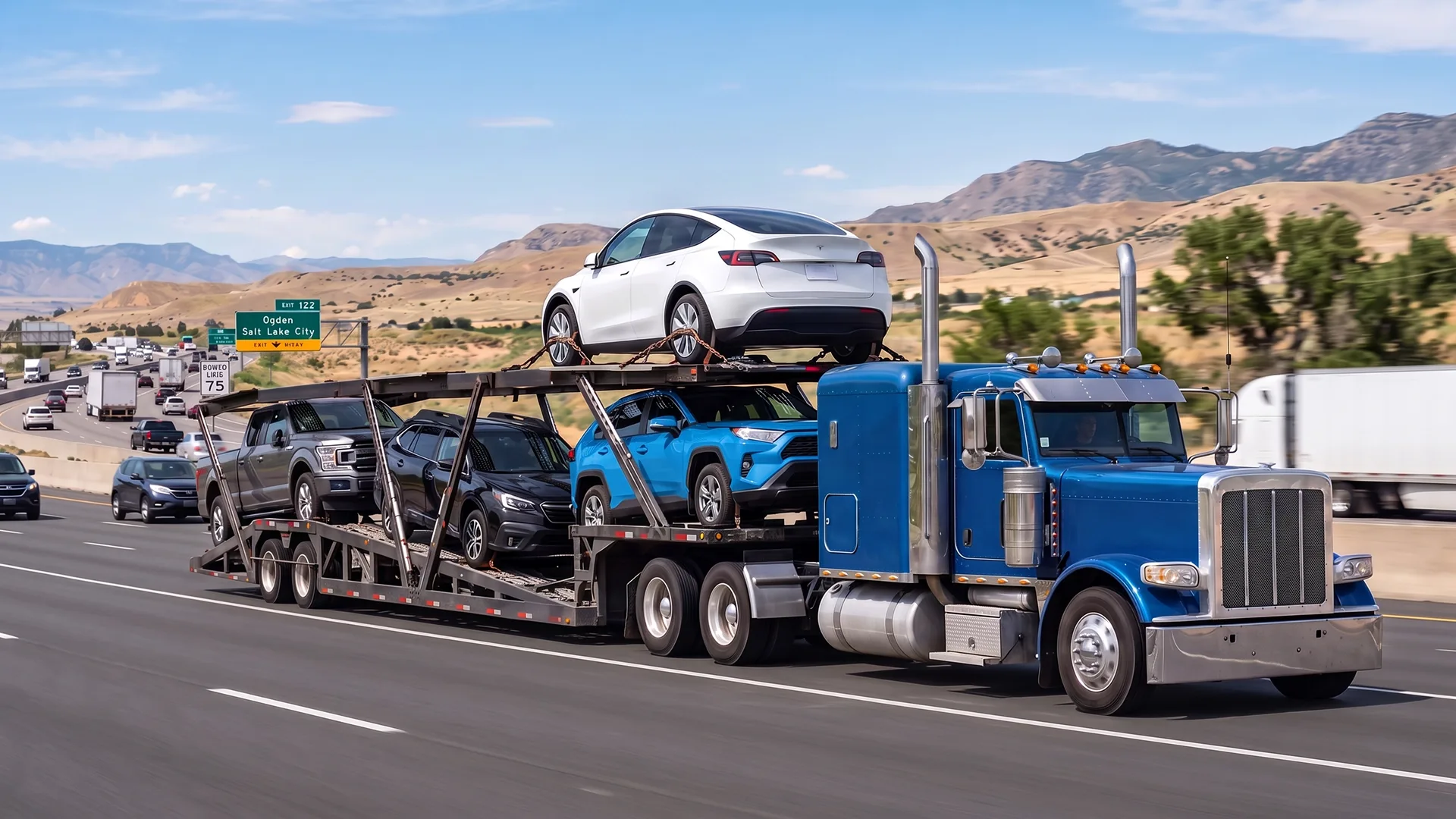
A coast-to-coast shipment can cross several climates and thousands of miles of highway. The route may encounter heavy traffic near major cities, construction in the Midwest and mountain weather farther west.
None of those conditions automatically makes a cross-country shipment difficult. They do make the schedule less predictable than a short regional move.
The American Transport Research Institute identifies major freight bottlenecks around metropolitan areas including New York, Chicago and San Francisco-Oakland. It also notes that construction, crashes and extreme weather contribute to highway delays.
For the customer, the takeaway is simple: build some flexibility into a long-distance move. A carrier can estimate transit time, but it can’t control a snowstorm in Wyoming or a major accident outside Chicago.
Northeast-to-Florida Routes Change with the Seasons
The Northeast-to-Florida corridor is one of the best examples of a route that can be easy at one time of year and busier at another.
Seasonal travelers create strong demand between states such as New York, New Jersey and Florida. Direction matters too. Large numbers of vehicles moving south at the same time can change carrier availability and pricing in that direction.
Weather adds another wrinkle. A winter shipment could leave New York in freezing conditions and arrive in Florida under completely different road and weather conditions.
Booking ahead gives you more room to work around seasonal demand. It’s particularly useful when your vehicle needs to arrive near a flight, temporary housing reservation or other fixed date.
Mountain Routes Can Be Unpredictable in Winter
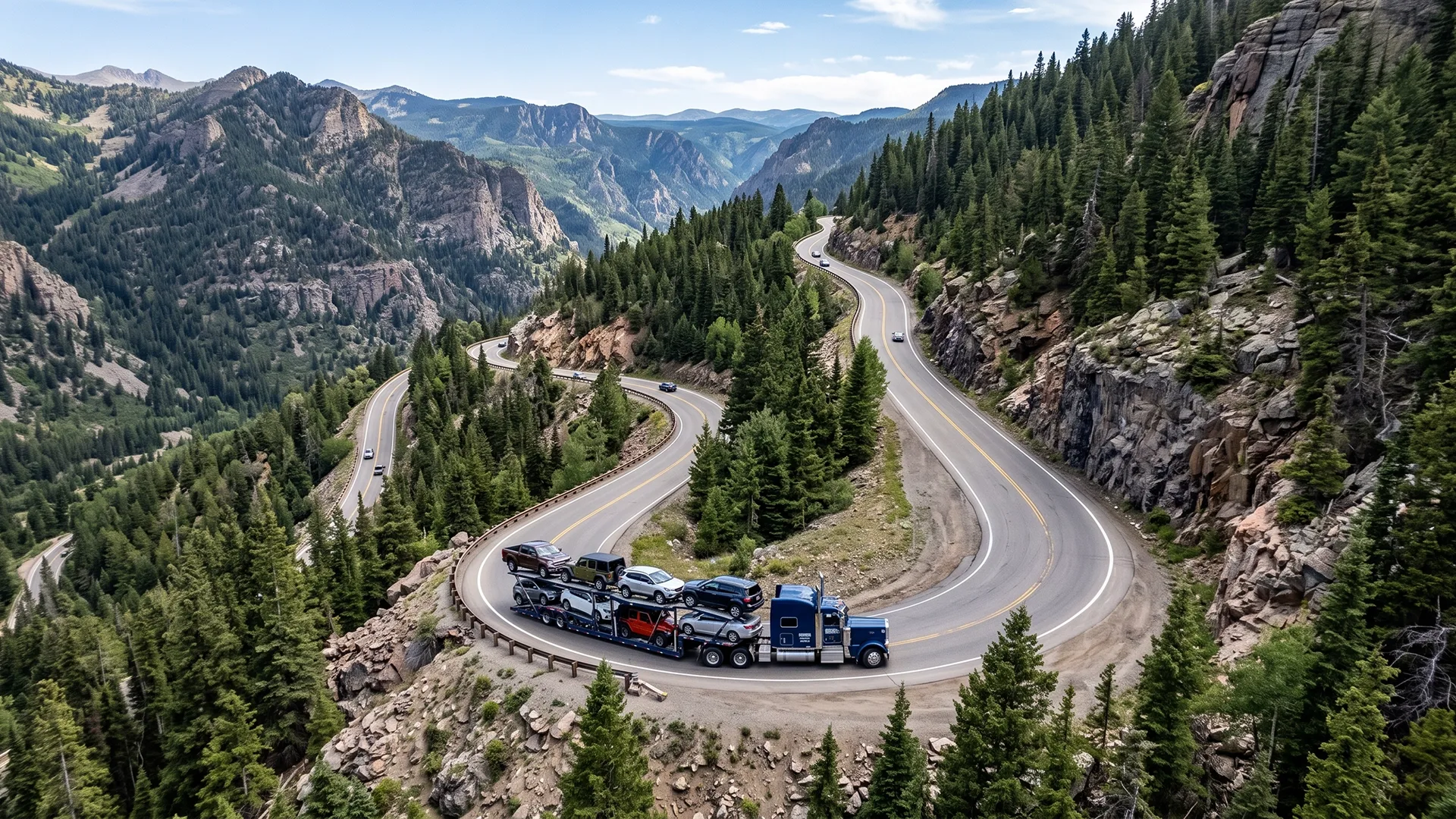
A carrier crossing the Rockies, Cascades or Sierra Nevada has a different job from one traveling through relatively flat terrain.
Snow itself isn’t unusual for a professional truck driver. The bigger problems are severe storms, ice, reduced visibility and temporary highway closures. A pass that was open when the truck left may look very different two days later.
For customers, that makes winter mountain routes less predictable rather than inherently unsafe. Professional carriers may wait, slow down or use another route when conditions demand it.
If your schedule is tight, leave extra room for weather rather than assuming the original delivery estimate is an appointment.
Big Cities Can Slow the Last Few Miles
Sometimes the hardest part of a 2,000-mile shipment is the final five miles.
An auto carrier is a large piece of equipment. Narrow residential streets, low branches, tight turns, parking restrictions and heavy urban traffic can make a particular address impractical or unsafe.
That doesn’t mean you lose the convenience of door-to-door auto transport. Door-to-door service generally means pickup and delivery as close to your requested addresses as the carrier can safely and legally reach.
If the truck can’t get down your street, you and the driver can arrange a nearby accessible meeting place.
A big parking lot a few minutes away can be much easier than trying to squeeze a loaded transporter through a tight neighborhood.
Traffic Bottlenecks Affect Delivery Timing
New York, Chicago, Los Angeles and other major metropolitan areas aren’t difficult because carriers don’t serve them. Quite the opposite. They’re major freight markets with substantial truck traffic.
The challenge is congestion.
The Federal Highway Administration tracks major freight highway bottlenecks across the Interstate system. Urban congestion can slow long-distance truck traffic even when most of the trip has gone exactly as planned.
A traffic jam generally won’t change where your car is going. It can change when the truck gets there.
That’s another reason to treat delivery times as estimates rather than plan an important appointment around a specific arrival hour.
Weather Can Change a Good Route Quickly
There’s no highway corridor that’s immune to weather.
Northern routes face snow and ice. Southern and coastal routes can encounter severe thunderstorms, flooding or tropical weather. High winds can also affect large commercial vehicles.
The important distinction is between ordinary weather and conditions severe enough to affect safe travel. Carriers don’t stop every time it rains. Serious conditions, road closures or poor visibility are another matter.
If you’re shipping during a period of severe weather, expect safety to take priority over the original schedule.
Open or Enclosed Transport Changes Vehicle Protection, Not the Weather
Most ordinary vehicles travel on an open hauler. It’s generally the practical, economical choice for a daily driver.
Open transport does expose the vehicle to the same general environment it would encounter on the highway, including rain, dust and road grime.
An enclosed transport trailer provides additional protection from weather and road debris. That can make sense for a classic, exotic, luxury or particularly valuable vehicle.
Enclosed shipping doesn’t make a snowy mountain pass stay open or eliminate traffic around New York. Its advantage is protection for the vehicle, not immunity from conditions affecting the truck.
US Auto Transport Routes Comparison
There’s no fixed difficulty rating for an entire corridor. Conditions change with the season, weather, traffic and exact pickup and delivery locations. This comparison shows the issues customers are most likely to encounter.
Route Corridor |
Route Difficulty Level |
Main Risk Factor |
Average Shipping Speed |
|---|---|---|---|
East Coast to West Coast |
Moderate to High |
Distance, mountain crossings and multiple weather zones |
Slower because of cross-country distance |
Northeast to Florida |
Moderate |
Seasonal demand, Northeast traffic and coastal weather |
Generally efficient on this heavily traveled corridor |
Pacific Northwest to Mid Atlantic |
High |
Long distance, mountains and winter weather |
Longer transit with greater potential for weather delays |
Midwest to South |
Low to Moderate |
Metro congestion, storms and seasonal demand |
Often relatively direct on major interstate corridors |
Shipping speed is comparative rather than a guaranteed transit time. Actual timing depends on mileage, route conditions, weather, traffic and carrier availability.
How Does the Route Affect Your Car Shipping Price?
Carrier availability matters. So do vehicle size, time of year, pickup and delivery accessibility and the type of transportation you choose. A shipment beginning or ending well away from heavily traveled auto shipping routes may cost more because the carrier has to travel additional miles away from its regular corridor.
Tolls can also be part of the carrier’s operating cost, particularly in areas where long-distance routes use toll highways, bridges or tunnels. Metropolitan congestion can add time as well.
That doesn’t mean you should try to design the truck’s route yourself. Instead, give the transport company accurate pickup and delivery information and let the carrier handle the actual highway routing.
A car shipping calculator can give you a much more useful estimate when it has the correct vehicle, locations and timing.
FAQs
How does seasonal weather affect car shipping times on northern routes
Snow doesn’t automatically stop an auto carrier, but severe winter weather can slow a shipment. Ice, poor visibility and road closures may require a driver to reduce speed, wait for conditions to improve or change routes. Give yourself some scheduling flexibility when shipping through northern states in winter.
Is enclosed transport necessary for cross country shipping on mountain highways
No. Most standard vehicles can be shipped cross-country on an open carrier, including routes through mountainous areas. Enclosed transport is primarily about providing additional protection for valuable, classic, exotic or other vehicles whose owners want less exposure to weather and road debris.
What steps must I take to prepare my vehicle for long-distance, multi-state transport
Remove personal belongings, secure or remove loose accessories and make sure the vehicle is ready to be loaded unless you’ve booked it as inoperable. Clean the car so its condition is easy to inspect, document existing damage and leave roughly a quarter tank of fuel. You or another designated adult should also be available for the pickup inspection.
How do toll roads and metropolitan traffic impact my final car shipping quote
Tolls, traffic and route difficulty are part of the real-world conditions involved in moving a vehicle. Heavy congestion can increase travel time, while toll roads, bridges and tunnels add operating costs. Your final quote also depends on distance, vehicle size, season, service type and current carrier availability.
Find the Right Route for Your Shipment
You don’t have to decide whether I-80 or I-70 is the better way across the country. What matters is giving Nexus accurate information about where your vehicle is, where it needs to go and when it will be ready. Use Instant Quote to estimate the cost of your shipment.