
California is one of the biggest car markets in the United States. It has enormous dealership inventory, one of the strongest private-party selling communities in the country, and a steady flow of lease returns. It’s also one of the best places to shop if you want electric vehicles, hybrids, luxury models, or hard-to-find trims.
For out-of-state buyers, California can be a goldmine. Many shoppers find better options, better vehicle condition, and sometimes even better prices than what’s available locally.
But buying a car in California while living somewhere else also comes with a unique set of challenges. Between California emissions rules, title and registration issues, out-of-state tax rules, dealership policies, and transport logistics, it’s easy to make mistakes that cost time and money.
This guide breaks down everything you should know before buying a car from California as an out-of-state buyer, so you can make the deal confidently and avoid surprises.
Why California Is a Popular Place to Buy Cars
California is not just a big car market. It’s one of the most influential car markets in the world. That matters because when trends shift, like demand for hybrids, EVs, luxury crossovers, or certain performance trims, California often reflects those changes first.
Here’s why out-of-state buyers shop in California so often:
Massive Vehicle Inventory
California has more dealerships, more used cars, and more private sellers than most states. That means:
More choices for buyers
More competition between sellers
More chances to negotiate
Strong EV and Hybrid Selection
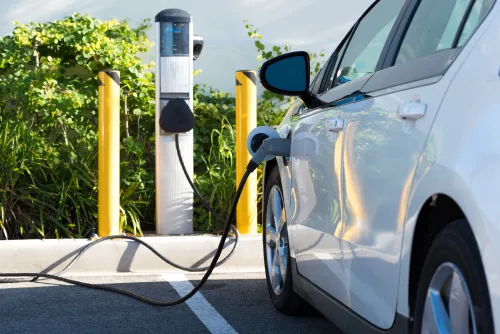
California’s EV market is one of the largest in the country. If you want a Tesla, Rivian, Lucid, or a plug-in hybrid, California usually offers more options and better availability than other states.
Lease Returns and Fleet Turnover
California has high leasing rates, especially for luxury vehicles. That means there’s a steady supply of clean, well-maintained lease returns entering the used market.
Cleaner Vehicle Condition (Rust Advantage)
California vehicles typically avoid the snow and salt damage common in the Midwest, Northeast, and mountain states. For many buyers, rust-free condition is worth paying extra.
If you’re comparing California to other locations before choosing where to shop, best states provides a helpful benchmark for how California stacks up against other car-buying markets.
Is Buying a Car in California Actually Cheaper?
This is the biggest question out-of-state buyers ask, and the honest answer is: sometimes.
California is not always the cheapest state. In many cases, it’s the best state for selection, not price. But depending on the vehicle type, California can offer major savings.
California is often a better deal for:
EVs and hybrids
Luxury sedans
Luxury SUVs
Performance trims that are hard to find elsewhere
Late-model lease returns
Used vehicles in very clean condition
California can be more expensive for:
Trucks and heavy-duty pickups
Popular SUVs with strong resale
High-demand Japanese models (especially Toyota and Honda)
AWD vehicles during seasonal demand spikes
The smartest approach is to compare pricing by model and trim, not just by state averages.
Where Out-of-State Buyers Find Cars in California
California offers more ways to buy than most states. Out-of-state buyers typically use a mix of dealership inventory, online listings, and auction platforms.
Used Car Marketplaces
If you want a straightforward starting point, most shoppers begin with major listing sites. The challenge is that each platform has different fee structures, filters, and pricing tools.
The best overview of marketplace options is in used car sites, which breaks down the most popular places buyers use to shop.
Online Auction Platforms
If you’re looking for rare vehicles, project cars, or pricing opportunities, auctions can be a strong option. But they also require more research, more discipline, and a clear plan for transport.
For out-of-state buyers, car auctions can be a great way to access inventory that never appears on dealer lots.
California Dealership Networks
California has dealerships ranging from small independent lots to massive auto groups. Many are extremely experienced with out-of-state buyers because they routinely sell to customers in:
Arizona
Nevada
Texas
Oregon
Washington
Colorado
Florida
New York
If you want a curated starting point, California car dealers can help narrow down high-volume and well-reviewed options.
Buying from a California Dealership vs Buying Online
Out-of-state buyers are often deciding between two paths:
Buying from a California dealership directly
Buying through an online seller platform
Both can work well, but the experience is different.
Dealership Purchase Advantages
You can request documentation more easily
Many dealers have financing options
Paperwork is usually standardized
Trade-ins may be possible
Title handling tends to be smoother
Online Buying Advantages
Less pressure
Some platforms offer delivery options
Some offer return windows
The process can be faster
A direct comparison is covered in dealer vs online, which is especially useful if you’re weighing convenience versus price.
Buying Directly from the Manufacturer in California
Many out-of-state buyers assume California makes it easier to purchase directly from the manufacturer because:
Tesla is headquartered there
EV adoption is high
The state is known for consumer-friendly car innovation
However, direct purchase rules still depend on the brand and the sales model.
Some manufacturers allow direct ordering, while others require dealership sales and delivery processes.
If you’re exploring this route, buy direct explains what’s realistic and what’s not.
California Taxes: What Out-of-State Buyers Should Know
Taxes are one of the most confusing parts of buying in California. Many buyers worry they’ll have to pay California sales tax even if they live elsewhere.
In many cases, you pay sales tax when you register the vehicle in your home state. However, whether California tax is collected depends on:
Where the sale is completed
Whether the dealer delivers the car out of state
Whether you take possession in California
How the contract is structured
Your home state’s registration requirements
A common situation:
If you buy the car in California and drive it home, the dealership may charge California tax because the vehicle is being delivered in-state.
If you purchase and ship the vehicle out of state immediately, many dealerships can structure the deal differently.
The best move is to ask the dealership before you sign:
Will you collect California sales tax?
Will you collect tax for my state?
Will I pay taxes at registration instead?
Smog and Emissions Rules: California’s Biggest “Gotcha”
California has some of the strictest emissions laws in the country. The good news is that this often benefits buyers because California vehicles are usually maintained to pass smog requirements.
But there are still issues out-of-state buyers should consider.
California smog rules can affect:
Modified vehicles
Older cars
Diesel vehicles
Performance cars with aftermarket exhausts
Vehicles with check engine lights or incomplete monitors
The second surprise:
Even if a vehicle passes California smog, your state may still require its own emissions inspection.
This matters most for buyers in states like:
Colorado
Illinois
Massachusetts
New Jersey
New York
Pennsylvania
If you're buying a modified car, confirm your local emissions requirements before purchasing.
What Paperwork Do You Need for an Out-of-State Purchase
Paperwork is where out-of-state deals can fall apart.
Depending on whether you buy from a dealership or private seller, you may need:
Title (or title transfer documents)
Bill of sale
Odometer disclosure
Lien release (if applicable)
Temporary operating permit
Purchase agreement
Proof of insurance
Registration forms for your home state
Many buyers assume the dealership handles everything automatically. That’s not always true, especially with smaller dealers.
The most complete breakdown is in paperwork.
Buying Used in California While Living in Another State
Buying used out of state is extremely common, but it requires a more careful process.
The biggest mistakes out-of-state buyers make include:
Skipping an inspection
Assuming the car is “perfect” because it’s California
Not verifying the title status
Not confirming registration rules in their state
Paying before the paperwork is ready
A practical overview of the process is covered in buying used.
Inspections: The Step That Saves Buyers Thousands
If you’re buying in California but you live in another state, a pre-purchase inspection is not optional, it’s one of the smartest moves you can make.
A good inspection can uncover:
Engine oil leaks
Transmission issues
Hidden accident damage
Frame or structural repairs
Suspension wear
Brake condition
Tire age and uneven wear
Many California cars look great on the surface. An inspection confirms whether the vehicle is truly clean or just cosmetically detailed.
Shipping a Car from California: What to Expect
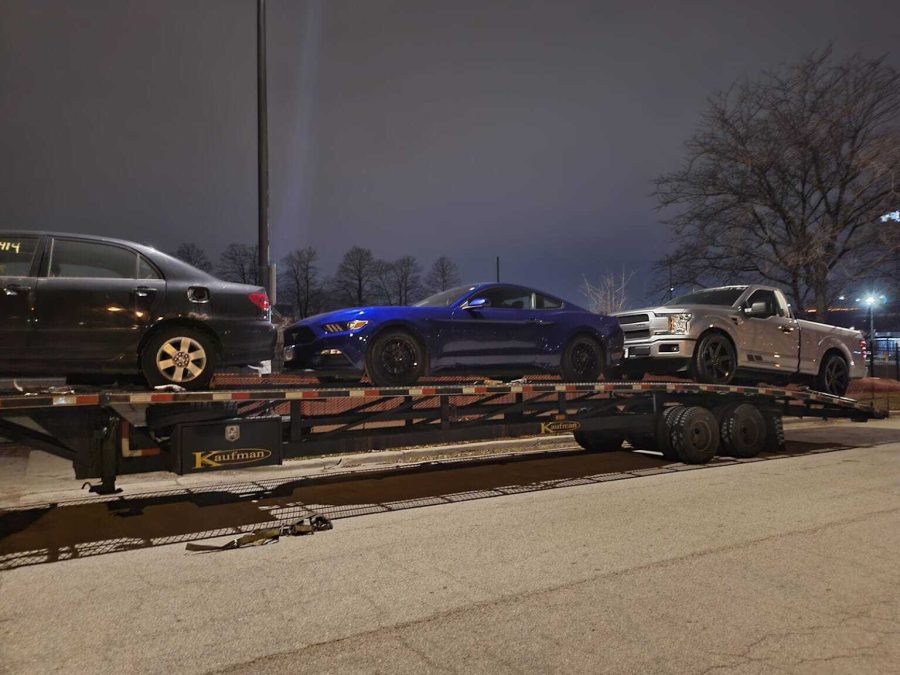
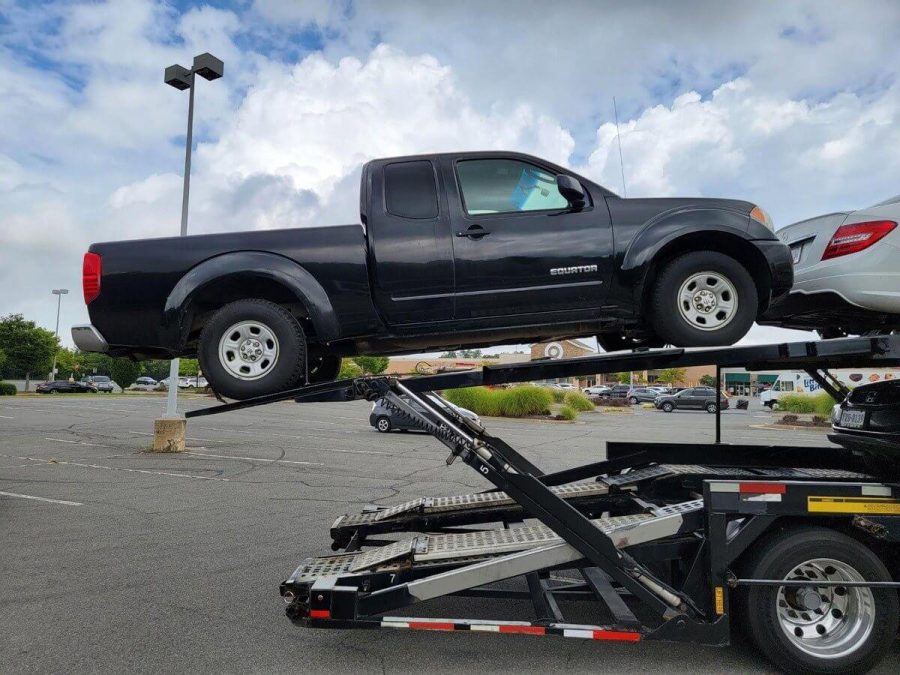
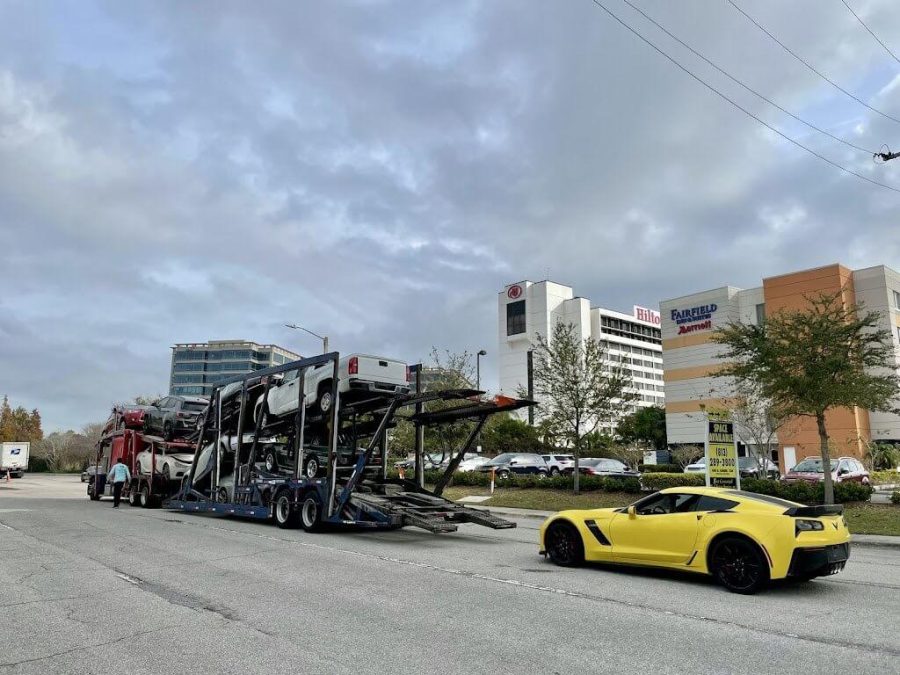
For most out-of-state buyers, shipping is the simplest and safest option.
Shipping makes sense if:
You don’t want to fly to California
You want to avoid a long road trip
You’re buying a second vehicle
The car is not ready for long-distance driving
You’re buying a speciality or collector vehicle
To estimate cost and timing quickly, the car shipping cost calculator is the fastest way to get a realistic idea of transport pricing.
For routes, timelines, and California-specific shipping factors, California car shipping covers the most important details.
Driving the Car Home Instead of Shipping
Some buyers love the idea of flying into California and driving the car home. It can be a fun road trip, and it also gives you time to learn the vehicle.
But it comes with real risks.
Driving home adds:
Fuel expenses
Hotel costs
Tire wear
Oil change timing
Breakdown risk
Temporary tag complications
It can be worth it for certain buyers, but shipping is often the safer choice, especially if you’re buying a used vehicle that hasn’t been inspected in person.
Avoiding Scams When Buying from California
California has amazing deals, but it also has scams, especially in private-party listings.
Out-of-state buyers are common targets because scammers assume:
You’re eager to close quickly
You can’t easily inspect the car
You’ll rely on photos and messaging
Protect yourself by:
Never wiring money to a private seller
Verifying the VIN on all paperwork
Confirming the title is in the seller’s name
Using a third-party inspection
Avoiding sellers who refuse video calls
If the deal feels rushed or the seller is “out of town” and pushing for payment, it’s almost always a scam.
Final Thoughts
Buying a car from California can be a great move for out-of-state buyers, especially if you want more selection, cleaner vehicles, and better access to EVs, hybrids, and premium trims.
The key is planning ahead for the things that make California different:
Smog and emissions rules
Sales tax handling
Out-of-state paperwork
Dealer policies
Safe transport logistics
With the right approach, California becomes one of the best places in the country to find your next car, without being limited to your local inventory.
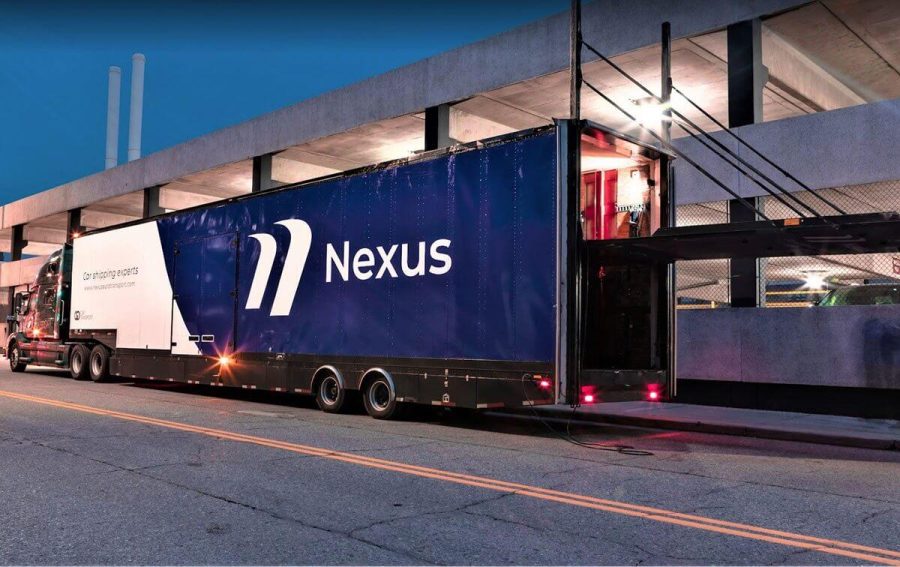
And once you’ve locked in the deal, Nexus Auto Transport can help you ship your vehicle safely and efficiently from California to anywhere in the U.S.