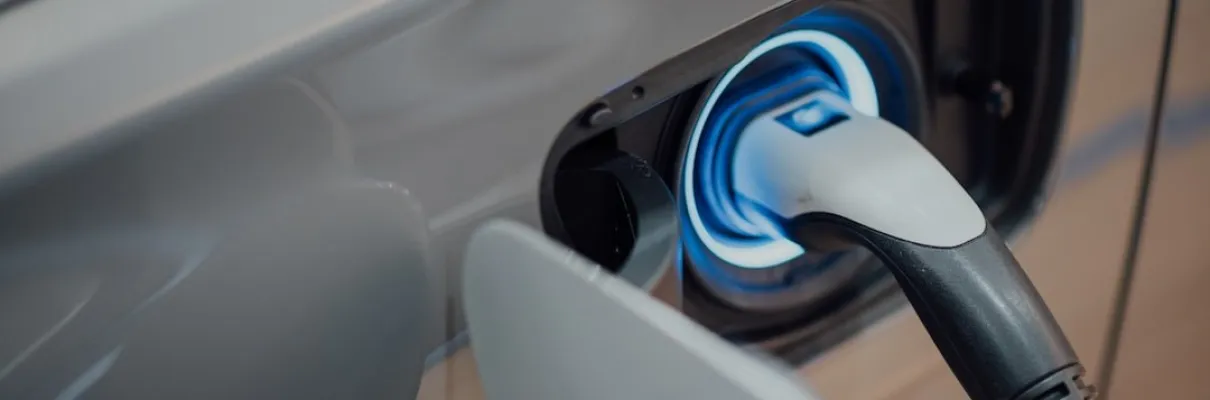

Winter brings the nostalgia of holiday meals and family gatherings. It also means sleet, ice, snow, and layers upon layers of clothing to avoid the seasonal chill. When you own an electric vehicle (EV), you want to ensure it is running well so you’re not stuck looking for a charging port right before a storm.
Taking care of your EV during the winter months has more to do with awareness and habits than anything else. Can you leave an electric car outside in the winter? Yes, but you need to be proactive. That will help you minimize any driving range loss, improve the efficiency of your home or work charging, and keep the cabin nice and warm as you drive to your summer residence or to meet college kids waiting for winter break with laundry in tow.
Why Cold Weather Affects Electric Vehicles
The electric vehicle market makes up anywhere from 5% to 7.5% of new car sales every year. Millions of Americans are turning to EVs to reduce their carbon footprints or simply avoid paying fluctuating fuel prices during seasonal changes and extreme socioeconomic swings. That is plenty of people living in Michigan, Montana, New England, Washington, and other northern territories.
The trouble is that when the temperatures dip below freezing, it has a negative effect on the electric vehicle. Traditional gas-powered vehicles generate a lot of excess heat. Combustion helps send that heat to the engine and the vehicle's interior, so you stay warm.
EVs are different. They rely on battery power for driving, cabin heating, and other infotainment or onboard systems. Whenever the thermometer gets into the negative space, those much-needed chemical reactions inside the lithium-ion battery begin to slow. That means less energy efficiency, reducing your ability to get to and from the holiday shopping malls you want to hit for family gifts. Learning proper electric car in winter tips saves you from reduced driving range.
The other side of the energy coin is demand. You don’t need as much energy in your EV during the fall and spring because the outdoors isn’t so rough. When it’s winter, you need to defrost windows, heat the cabin, warm up the battery, and clear ice away. That’s a lot more demand for even the latest EVs from the best dealerships in the country. The more you know about EV demand in the winter, the better you’ll be prepared.
Winter EV Care Checklist
Winter Maintenance Task | Why It Matters | Recommended Action |
|---|---|---|
Precondition the battery and cabin | Improves battery efficiency and preserves driving range | Schedule preconditioning while the vehicle is plugged in before departure |
Keep the battery charged | Cold weather reduces available battery capacity | Avoid letting the battery drop below approximately 20% and keep it plugged in when parked |
Prepare the battery before DC fast charging | Cold batteries charge much more slowly | Enter the charging station into your navigation system so the battery can warm up en route |
Check tire pressure regularly | Cold temperatures lower tire pressure and reduce efficiency | Inspect tire pressure every few weeks and inflate to manufacturer specifications |
Install winter or all-weather tires | Improves traction on snow and ice | Equip your EV with tires appropriate for your local winter conditions |
Drive smoothly | Aggressive acceleration and braking reduce traction and efficiency | Accelerate gradually and avoid sudden braking on slippery roads |
Remove snow and ice before driving | Improves visibility and protects sensors | Clear windows, cameras, mirrors, lights, and charging ports before each trip |
Park indoors when possible | Helps reduce battery temperature fluctuations and snow buildup | Use a garage or covered parking whenever available |
Top Ways to Keep Your EV Running in the Winter
Precondition Your EV Before You Drive
The easiest way to keep Jack Frost from freezing your fingers and toes in your EV is to precondition the battery. Most modern electric vehicles have scheduling programs where you can tell the car you want to depart at 9 am each weekday. The result is the car will remotely warm the battery and cabin before you drive.
The same is true for connected smartphone apps. Having a way to remotely start and condition your vehicle 10-15 minutes before you drive ensures the car is running at an efficient temperature long before you step inside. That will clear the windows of frost and improve the visibility needed for the busy roads during an electric car battery winter adventure.
Keep Your EV Battery Charged
It may seem obvious, but you want that EV battery as well charged as possible in the wintertime. If you can leave it plugged in with a home charger, that’s great. Most major manufacturers like Toyota, Tesla, and Hyundai recommend avoiding extremely low battery levels during freezing weather. Cold batteries have less available energy and require a lot more time to recharge.
The solution is not to let your EV battery fall below 20%, especially overnight. A “trickle charger” is better than nothing, but if you upgraded to a full home system when you bought your car, that’s even better.
Use Heating Features Efficiently During the Winter
Anyone who’s ever owned an EV before will tell you running the heating or cooling systems drains the battery the most. Combine heating up your cabin with defrosting, heated seats, and a heated steering wheel, and you have a formula for less driving range. When you ask, “Can you leave an electric car outside in the winter?” you have to think about energy management.
Look for more efficient pump systems in your EV when you make a purchase. That will help preserve more driving range, as such systems require less energy than traditional resistance heaters.
Prepare Your Battery Before Fast Charging
When you’re on the hunt for a nearby “fast charging” station, be sure to give your battery enough time to hit those optimal temperatures between 20°C and 30°C (68°F to 86°F). Any DC charger will mean less time waiting for the charge, but it’s more efficient when you plug in the charging address into your GPS, so you know you have enough drive time to heat the battery.
In freezing cold weather, proper battery heating can take 30 to 45 minutes. So, plan on a stop for fast charging on your way to work, school drop-off, major shopping trips, or meeting friends for the movies in the town over.
Monitor Tire Pressure and Install Winter Tires
Colder weather doesn’t just affect your battery. When temperatures drop, tire pressure decreases about 1-2 PSI for every 10 or so degrees. That’s why you always hear about people with flats or losing driving efficiency when going from the south to the north in the winter. Does cold weather affect electric cars? Yes, it absolutely does!
Do yourself a favor and check your tire pressure whenever it’s cold outside. You don’t want underinflated tires, as that will increase rolling resistance and slightly decrease driving range.
You can find your optimal tire PSI by looking inside the door frame of your car. It should have both the front and rear set of tire pressure goal ratings.
Drive More Smoothly on Winter Roads
EVs have “instant” torque. Accelerating from a stop feels incredibly responsive. When you’re on icy roads, that acceleration needs a bit of a gentler touch. Try to accelerate gradually and avoid sudden steering changes.
Most EVs rely on regenerative braking. While those have traction control, any slick surfaces can result in lost traction and thus, lost charge. Driving smoothly improves that traction, so you get more battery efficiency.
Consider Shipping Your Car Before Driving Up North
You can get more winter road efficiency for your electric vehicle by:
Keeping it maintained as much as possible.
Parking inside a heated garage, especially when it's cold.
Removing any snow or ice before charging or driving.
Inspecting the windshield wipers, washer fluid, and exterior lighting for safe visibility.
Use a car transport service to send your car to the northern destination ahead of time.
Plenty of car owners purchase an EV from a southern area of the nation and then have it shipped up north. That is because the EV is less likely to have exposure to rust or moisture, unlike northern cars that tend to get driven on salt-treated winter roads. Those geographic differences help with running electric car in winter months.
A good final recommendation is to use a company like Nexus Auto Transport for car shipping to reduce exposure to salt and add more mileage to the battery in the cold. With over 500,000 successful deliveries nationwide, Nexus has the coordinated door-to-door delivery support needed for any EV you may purchase or own.
Learn more about how car shipping works in our complete auto transport guide so you can pamper your electric vehicle and maintain its battery life no matter the weather outside.
Enjoy Confident Electric Vehicle Winter Driving the Right Way
Just because you own an electric vehicle doesn’t mean you can keep it well maintained and warm all year round. With the right proactive steps, you can maximize your potential driving range and keep the cabin at the perfect interior temperature so the only worry you’ll have is whether you get stuck behind a plow truck when you’re late for the office holiday party.
FAQs
Do electric vehicles take longer to charge in the winter?
Yes. When the electric car battery winter battery is colder, it takes more time than when it’s warmer. Most newer models will warm the battery before you go to a charging destination, but you want to read through the owner’s manual for suggestions on preconditioning.
Does cold weather affect electric cars or damage my EV battery?
Not when you treat it well. EVs are built for all parts of the country just like any other vehicle. You just want to be sure you’re not ending up with reduced range due to colder climates.
Should I charge my EV to 100% every day during the winter?
Getting the battery to 80% is good for daily use. If you’re about to head out on a long trip, that’s a good time for a full charge.
Can I leave my electric vehicle outside overnight in freezing temperatures?
Yes. EVs can be out in cold climates, but if you can keep it plugged in overnight, that helps the battery management system maintain charging readiness.
Are there any special rules for shipping an EV across the country?
Not really. Consider working with a professional car shipping company like Nexus that can match you with a flatbed truck or similar low angle solution should your EV have low ground clearance, so the wheels don’t move during loading and unloading.