
Anywhere from 10% to 15% of the population moves each year. The urge to pack and leave could be related to finding a new job, starting a different school, military obligations, or simply wanting to set down roots in a different part of the nation. Whatever the reason, you’ll need to move your vehicles just as much as your living room furniture.
The price difference when transporting a car cross-country often comes down to several factors. It’s not just a flat-rate fee you can pay and forget about the rest of the situation. Each moving situation requires careful consideration before you book professional services.
You want to know what goes into that pricing first. The difference between a short-distance move for a student starting college in a neighboring state and a family moving from NYC to San Francisco is quite significant. That difference is how you budget properly and avoid unwanted surprises.
What Counts as Local Car Transport?
The first factor in any cross-country car transport is distance. A local move will be cheaper than a multi-state move. Most local car transport plans refer to car shipments that travel anywhere from 100 to 300 miles. These are the shorter routes where you’re moving from the panhandle of Florida down to the Keys.
What many overlook is the per-mile cost. A local move can still be expensive because carriers still have operational expenses to cover. Instead of those expenses spread out over a longer journey with multiple cars, a shorter move tends to involve fewer vehicles. A trip from Boston, MA, to Hartford, CT, has a higher per-mile cost than a trip from South Carolina to Washington State.
You can expect local car shipping to run between $300 and $600 or so.
What Impacts Local Car Shipping Prices?
Location of Pickup/Dropoff: How difficult it is to reach your vehicle for a truck. The more rural or challenging, the higher the cost.
Vehicle Size & Type: The weight, size, and dimensions of your vehicle matter. A large, lifted truck will cost more than a compact, fuel-efficient hybrid.
Time of Year/Season: Different seasons are busier than others. Move-in months for colleges, summer family travel plans, snowbird seasons, and car-buying trends all affect the timing.
Delivery Flexibility: The stricter your delivery timeframe, the more expensive it will be. Having a little flexibility on either the pickup or drop-off side of things helps you get better pricing.
The rest of the pricing is down to details like which professional drivers are available and whether your car needs any special equipment for loading/unloading, like if it’s an antique or doesn’t run well.
How Cross-Country Car Shipping Changes the Equation
Transporting a car cross-country will be more expensive than local delivery. These are routes that tend to be 800 miles or more, often requiring a team like Nexus Auto Transport, which has direct knowledge of interstate shipping rules and familiarity with USDOT and FMCSA requirements.
The pricing structure for longer moves changes everything. The total cost might be higher, but the per-mile expenses actually decrease. The reason is that the drivers can better maximize space and efficiency. There is less loading of vehicles and more time spent on the road for longer stretches.
A good example would be a journey from the East to the West Coast (around 2,800 miles) costing about $1,400 to $2,000. For a shorter route, like Ohio to Louisiana (about 1,200 miles), you should budget for about $800 to $1,200. The total distance impacts price, but so do routes. Well-traveled areas are less costly than somewhere drivers tend to avoid.
Why Distance Is Not the Only Pricing Factor
Vehicle size, distance, pickup location, and delivery flexibility all affect the price of cross-country car transport, but new factors also influence the final estimate.
With a longer journey, fuel costs, weather, and traffic patterns start to sneak in. Sure, geopolitics matter, but simply choosing a carrier in summer rather than fall can mean fuel prices 10% to 20% higher. Plus, there are different needs for a car traveling through Minnesota in the winter compared to Arizona in the summer.
There are two other important factors influencing pricing that also affect long-distance shipping. Those are expedited delivery and open vs enclosed auto transport. Expedited shipping for a local or transporting a car cross-country reduces the total time it's on the road by 1 to 3 days. It does come at a premium, as the stricter timeline requires professional drivers and logistics coordinators to adhere to specific parameters.
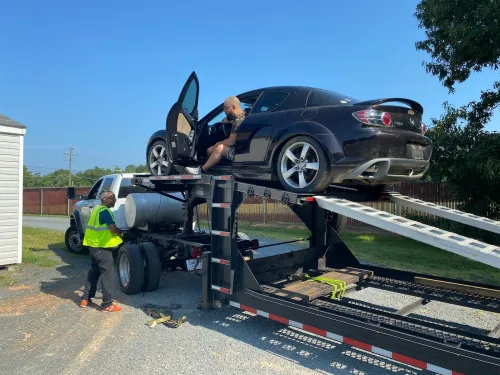
Open vs. enclosed delivery options are about your protection preferences. With open delivery, your vehicle is loaded onto a truck, usually with 3-7 other vehicles, and exposed to road debris and weather. It’s cheaper and easier to schedule but comes with a slightly higher risk.
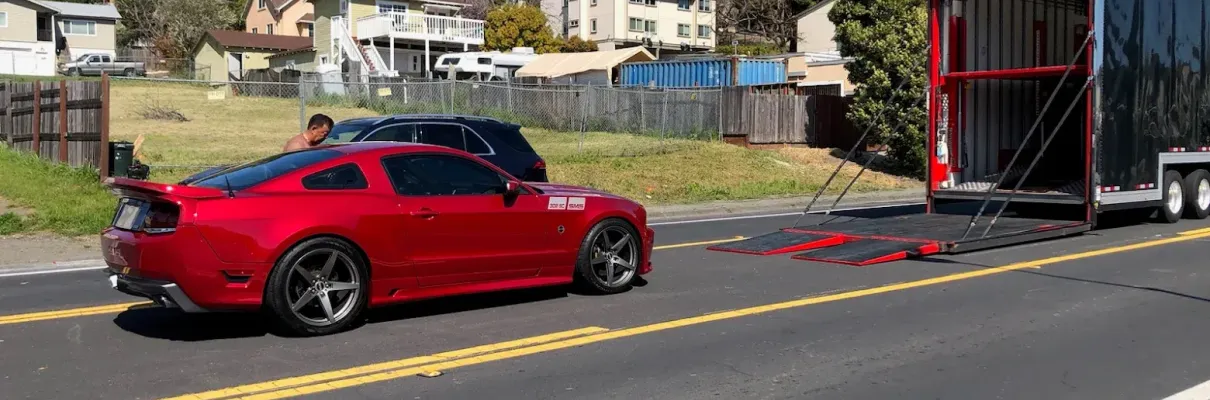
Enclosed means your car is inside a container or otherwise protected from a rock cracking the windshield or extreme weather sneaking inside electrical components. It’s more expensive, but you reduce your risk. That’s why some people who move an antique, collectible, or custom car will choose this option.
It’s hard to put an exact number on what you can expect for expedited or enclosed shipping, but budget for 30% to 60% more. That tradeoff might be worth it if you have a luxury vehicle you don’t want to get scratched on its way from Chicago to Dallas.
Cross-Country Car Transport Cost Expectations by Distance
Distance | Route Example | Est. Transit Time | Why Price Per-Mile Changes | Factors That May Increase Cost | Typical Cost Expectations |
|---|---|---|---|---|---|
0–500 miles | Los Angeles, CA to Las Vegas, NV | Chicago, IL to St. Louis, MO | 1–2 days | Carriers still absorb loading, scheduling, fuel, and labor costs | Rural pickup/drop-off, expedited scheduling, oversized trucks/SUVs, enclosed transport | Low to Mid |
500–1,000 miles | Atlanta, GA to Miami, FL | Dallas, TX to Denver, CO | 2–3 days | Improved efficiency for carriers, slightly reducing the cost per mile | Seasonal demand, difficult access locations, inoperable vehicles, fuel spikes | Mid |
1,000–1,500 miles | New York, NY to Minneapolis, MN | Phoenix, AZ to Kansas City, MO | 3–4 days | Carriers maximize trailer space and highway efficiency | Winter weather, mountain routes, enclosed shipping, college move-in season | Mid to High |
1,500–2,000 miles | Seattle, WA to Dallas, TX | Boston, MA to Miami, FL | 5–6 days | Longer routes spread operational costs across more mileage | Traffic congestion, snowbird season, luxury vehicles, expedited delivery | Mid to High |
2,000–2,500 miles | San Francisco, CA to Chicago, IL | Los Angeles, CA to Atlanta, GA | 6–7 days | Better shipping corridors with consistent carrier traffic | Limited carrier availability, enclosed transport, remote destinations | High |
2,500–3,000 miles | San Diego, CA to Washington, D.C. | Portland, OR to Orlando, FL | 7–8 days | Requires more coordination, fuel planning, and scheduling flexibility | Severe weather, urban delivery restrictions, oversized vehicles, timing requirements | High |
3,000+ miles | 10–12 days | Extensive route planning and long-haul driver coordination | Fuel costs, storms, traffic delays, expedited requests, enclosed carriers | High to Premium |
Click on any specific route in the table to learn more about how each shipping journey typically works with time, pricing, and available options.
Transit Time: Local vs Cross-Country Shipping
While price is certainly a deciding factor in your cross-country car transport, timing is also crucial. It can be a real pain if you don’t have your trusted vehicle ready and waiting when you arrive at a new home, condo, or apartment.
Local car shipping is pretty predictable. You can expect anywhere from 1 to 3 days depending on distance and the season. Longer, extended moves requiring interstate travel can run anywhere from 4 to 14 days. Those times will fluctuate based on:
Weather conditions
Traffic and road closures
Route complexity
Seasonal demand
Carrier scheduling
Pickup and delivery accessibility
The absolute best way to get a better idea of the total transit time is to talk with an expert provider like Nexus Auto Transport. Having clear pricing and coordinated support for door-to-door shipping ensures you get an easy-to-remember timeframe.
When professional managers handle the logistics details you don’t have time for in the middle of a move, you get the support needed to reduce stress when starting a new job or closing on a new home. Start that process by using our car shipping calculator long before you pack any moving boxes.
Tow Dolly vs Professional Auto Transport
Another factor affecting pricing for local and cross-country car transport is whether you want to DIY the process. Instead of paying for a professional, experienced, and qualified team, you rent a tow dolly or trailer.
The problem with this solution is the total cost. If you’re comparing the cost of renting a trailer to using a provider like Nexus, you’ll see cost savings. What you need to do is look at the entire situation. Renting a trailer still means you need to:
Pay taxes on the rental
Cover food, lodging, fuel, and attractions along the route
Manage interstate travel rules on your own
Deal with driving a trailer (which can be challenging for beginners)
Add more wear and tear to your primary vehicle
Worry about driving comfort, weight distribution, and parking along the way
There are serious safety concerns when you’re driving a trailer along an unfamiliar route or in a region of the country where weather exposure can make or break a trip. In the middle of a family relocation or career move, this isn’t the most welcome situation. That is why most will go with professional auto transport rather than DIY car shipping.
Why Professional Coordination Matters on Short and Long Routes
Professional car shipping coordination equals peace of mind. A team like Nexus Auto Transport offers clear communication from the moment you get a free estimate to signing off on the final delivery. Instead of trying to manage fuel optimization on your own or figure out which highway is best, you have access to a vast network of experienced drivers who can manage everything without your input.
Either way, you want to plan as early as possible to get better pricing and timing. Don’t focus on the cheapest quote. Go with the solution that reduces stress and complexity to your move. Look at customer reviews, route experience, and communication. The goal is to stick to your budget and to ensure your vehicle arrives safely wherever you’re heading next.
Local, shorter routes will have a higher per-mile cost, but should be reasonable enough to save you frustration and align with your next move. Cross-country car transport will have a lower per-mile cost, but a higher overall price because you’re traveling longer routes. Work with a carrier as soon as you anticipate your move. The more you understand upfront, the easier it is to find the right shipping solution for you, your family, and your relocation.
FAQs
Why does the cost per mile decrease for long-distance car shipping?
There is greater route efficiency, as the driver spends more time on the road rather than loading and unloading at shorter stops in between. The fixed costs of shipping are spread over more miles.
What factors can increase or decrease car shipping rates per mile?
The distance you’re moving, the weight of your vehicle, expedited shipping, open or enclosed auto transport, weather conditions, and fuel prices all play a role in the total estimate.
Is short-distance car shipping more expensive per mile than long-distance shipping?
Technically yes. The expense of moving your car is spread over fewer miles. However, you’ll pay less overall because it’s a shorter trip.
How can I reduce the total cost of shipping a car across long distances?
The best way to do that is to offer flexible delivery timelines, hire a team during slower seasons, and plan as early as you can to benefit from deals and lower pricing.