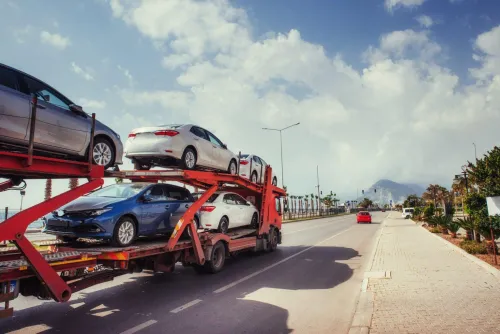

Moving a car from California to Virginia can mean sending it all the way across the country. Depending on the cities involved, the trip can cover roughly 2,500 to 3,000 road miles, so most customers are looking at several days of transport rather than a quick interstate hop.
The process itself isn't complicated. You choose a transport method, arrange a pickup window, prepare the car and meet the carrier. The driver then moves the vehicle east and delivers it at your Virginia address or another nearby location where the transporter can safely unload.
The variables are what matter. Los Angeles to Richmond isn't the same shipment as Redding to rural southwest Virginia, and the price and timing can change accordingly.
How Much to Ship a Car from California to Virginia
Recent industry estimates put many California-to-Virginia shipments somewhere around $1,000 to $2,800, with the exact price depending heavily on the cities, vehicle and transport method. That's a broad range because California and Virginia are both large states.
Distance matters when you ship a car from California to Virginia, but it isn't the only consideration. A carrier picking up in Los Angeles, San Diego or the Bay Area may have more opportunities to fill the trailer than one traveling into a remote part of Northern California. The same applies at the Virginia end. Richmond, Northern Virginia and the Hampton Roads area are generally easier to work into established routes than an isolated rural destination.
Vehicle size changes the equation too. A full-size pickup takes up considerably more trailer space than a compact sedan. An inoperable car can cost more because the driver needs the equipment and time to load it without driving it onto the trailer.
For a useful starting number, enter the actual vehicle, pickup and delivery locations and timing into the instant vehicle shipping cost calculator. A route-specific estimate is more useful than planning a move around a statewide average.
California-to-Virginia Car Shipping Factors
Factor |
How It Affects Shipping |
What the Customer Should Consider |
|---|---|---|
Distance and Route |
This is a coast-to-coast move, and the actual mileage changes considerably with the pickup and destination cities. |
A major-metro route may be easier for a carrier to schedule than two remote endpoints. |
Transport Type |
Open transport generally costs less. Enclosed trailers carry fewer vehicles and normally command a premium. |
For an everyday vehicle, open shipping is usually the practical choice. Collector or high-value cars may justify the added protection of enclosed service. |
Vehicle Size and Condition |
Trucks, large SUVs and modified vehicles occupy more trailer capacity. Non-running cars need appropriate loading equipment. |
Give accurate vehicle details before booking so the carrier arrives prepared. |
Season and Carrier Availability |
Summer demand, winter weather and seasonal vehicle movement can affect both price and scheduling. |
Flexible pickup dates often provide more carrier options than a single must-have date. |
How Long Does California to Virginia Car Shipping Take?
A reasonable planning window for the transportation portion of a coast-to-coast shipment is roughly seven to 10 days after pickup, although some trips can be quicker and others take longer. Pickup timing needs to be considered separately.
A transport driver doesn't simply load your car in California and drive nonstop to Virginia. The carrier may have several vehicles aboard, each with its own pickup and delivery point. Federal driving-time rules also limit how long commercial drivers can remain behind the wheel.
The Federal Motor Carrier Safety Administration hours-of-service rules limit a property-carrying commercial driver to 11 hours of driving after 10 consecutive hours off duty. Those rules are one reason a 2,500-plus-mile shipment takes several days even when the weather and traffic cooperate.
If you need the car for a new job, extended stay or another time-sensitive move, avoid scheduling its expected arrival for the exact day you need it. A few extra days of flexibility can make the overall move much easier to manage.
Open or Enclosed Transport for a Cross-Country Move?
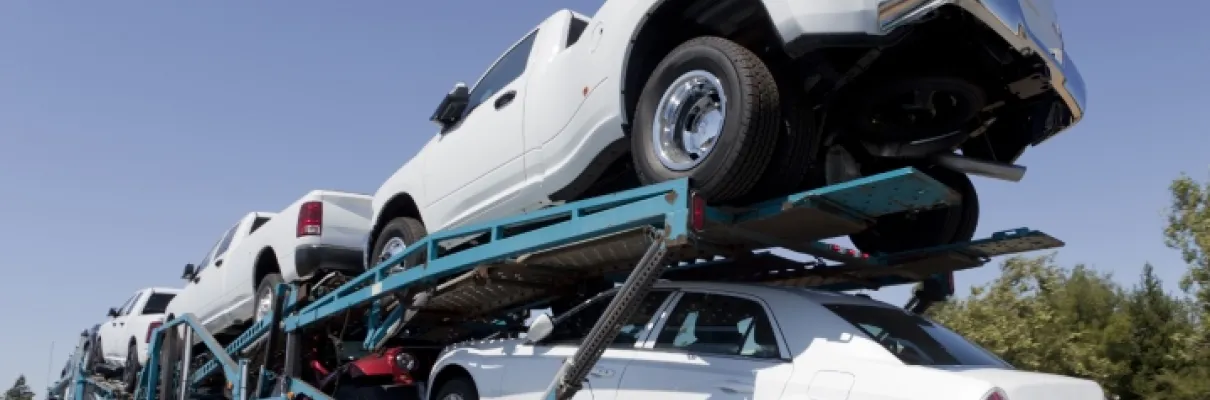
Open transport is the familiar multilevel trailer used to move most cars around the country. It's widely available and generally costs less than enclosed service.
For a standard daily driver, whether a car, crossover or pickup, open transport is usually enough. The car is exposed to the same weather and airborne road grime it would encounter while being driven, but it isn't accumulating thousands of miles on its tires and drivetrain.
Enclosed transport places the vehicle inside a covered trailer. The extra protection can make sense for collector cars, exotics, expensive restorations or other vehicles where avoiding exposure is worth the higher price.
Don't assume enclosed service is automatically necessary just because the route is long. Base the choice on the vehicle and how much additional protection you want.
What Can Affect the Route Across the Country?
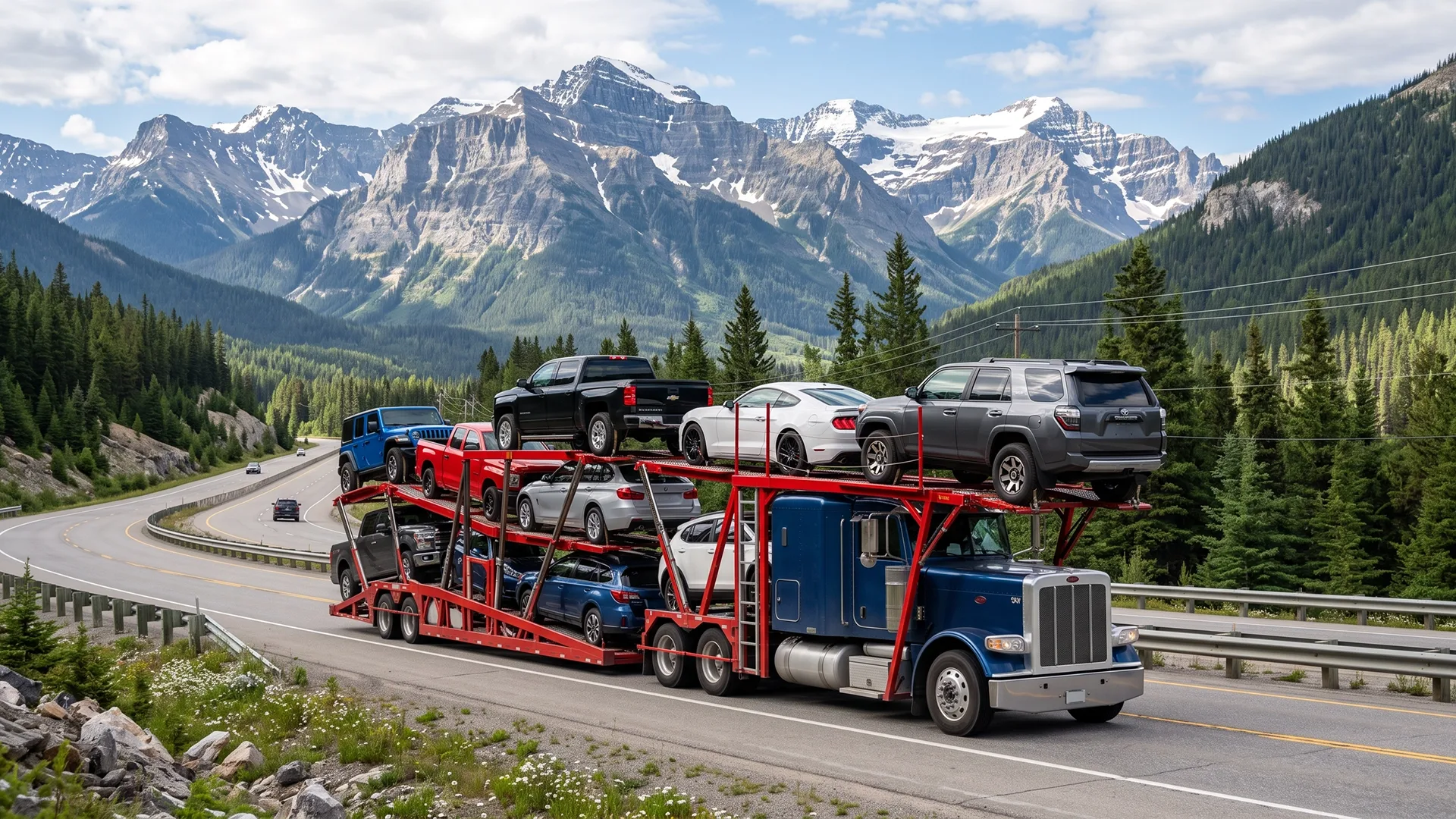
There isn't one mandatory California-to-Virginia truck route. The carrier chooses a route based on the pickup and delivery cities, other vehicles aboard the trailer, road conditions and weather.
A Southern California shipment may begin by heading east on Interstate 40 or another major corridor before working toward Virginia. Northern California origins can produce a substantially different route.
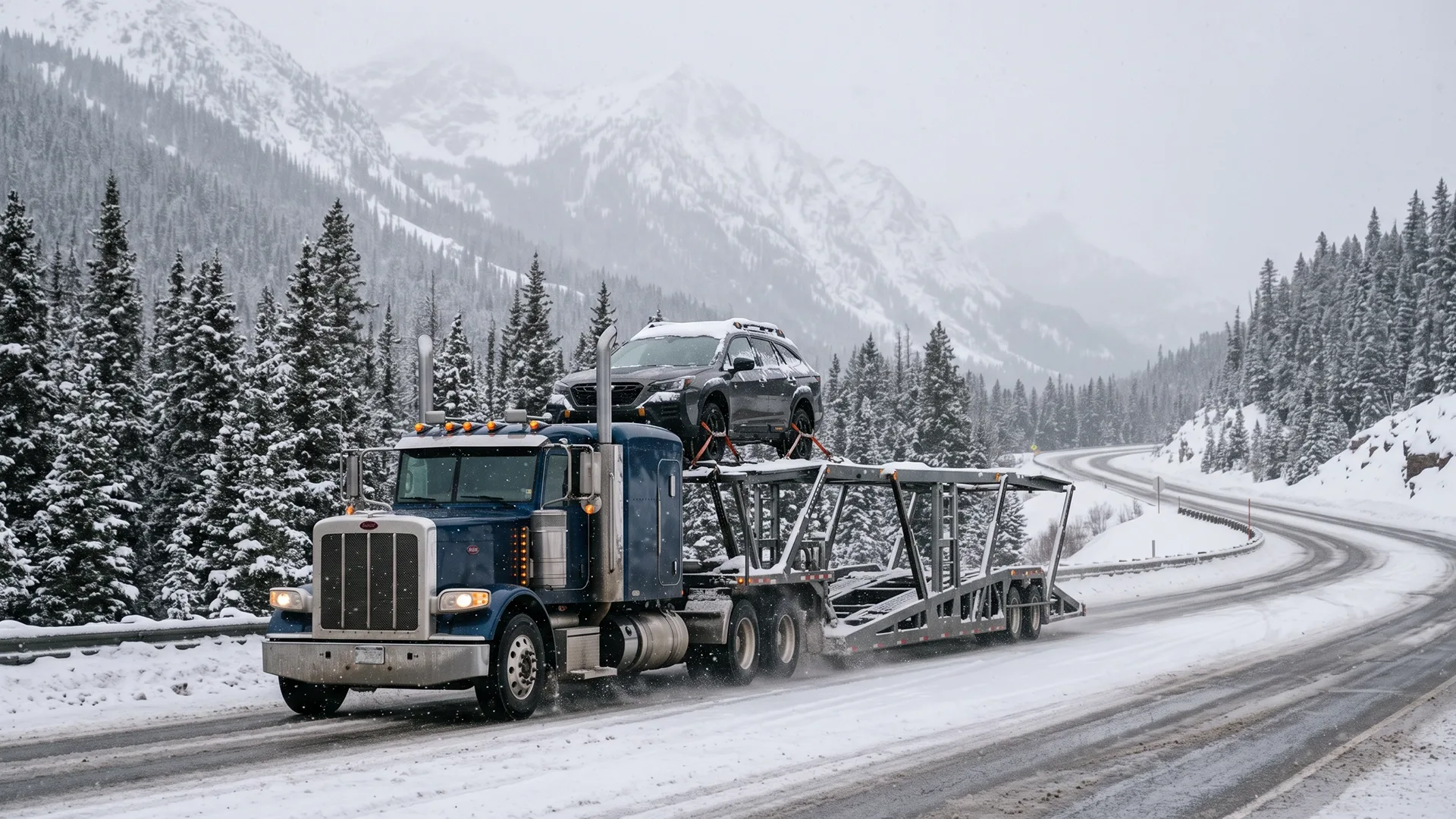
Winter deserves extra consideration because a cross-country carrier can encounter completely different weather systems during one trip. Mountain snow in the West, storms across the central states and winter weather in Virginia can all disrupt a schedule.
Virginia maintains 511 Virginia for current traffic, road and incident information. Conditions at the destination may be perfectly clear when the carrier leaves California and quite different a week later.
Seasonal demand can matter as well. Customers moving between climates, including snowbirds, can increase demand on certain routes at particular times of year.
Preparing the Car Before Pickup
Give the vehicle a quick wash before the carrier arrives. It doesn't need to be detailed, but dirt shouldn't hide existing scratches, dents or paint damage. Take photos in good light so you have your own record of its condition.
Leave about a quarter tank of fuel. The car needs enough gas for loading and unloading, but a full tank only adds unnecessary weight.
Personal belongings should generally come out. Remove valuables, loose items and toll transponders. Secure removable accessories and let the transport company know ahead of time about modifications that could affect loading.
The driver will inspect the vehicle at pickup and record its condition on the bill of lading. Review that record before signing it. The same paperwork is important when you inspect the car at delivery, particularly if there's a question about the carrier's insurance policies.
Pickup in California and Delivery in Virginia
You or another adult you authorize should be available when the carrier arrives in California. The car needs to be accessible and ready to load, with keys available for the driver.
If you're still working out the California side of the move, the Nexus California car shipping service page explains the options available from different parts of the state.
At delivery, a large transporter may not be able to reach the exact address. Narrow neighborhood streets, low trees, tight turns and local restrictions sometimes make a nearby parking lot or other open area a better unloading point.
Inspect the car before signing the final paperwork. Compare it with the pickup condition report and your own photos while the vehicle and driver are still there.
For destination planning, the Nexus Virginia page provides more information about vehicle transport into and within the state.
FAQs
Can I leave personal items inside my car when shipping from California to Virginia?
Plan on removing personal belongings unless the assigned carrier has approved them beforehand. Extra items add weight and may not be covered by the carrier's cargo insurance. If you need to leave something in the vehicle, ask before pickup rather than assuming it's permitted.
How should I prepare my vehicle for a long-distance shipment from California to Virginia?
Wash the vehicle, photograph its condition and leave about one-quarter tank of fuel. Take out valuables and loose personal items, deactivate toll transponders and secure removable accessories. Let the transport company know about modifications or mechanical problems before the driver arrives.
Can I ship an inoperable vehicle from California to Virginia?
Yes. A non-running vehicle can make the trip, but the carrier needs suitable equipment, generally including a winch. Tell the transport company that the car is inoperable when requesting service. Extra equipment and handling can increase the cost.
Do I need to be present when my vehicle is delivered in Virginia?
No, but an adult you designate must be there to receive the car, inspect it and sign the delivery paperwork. Provide that person's contact information in advance so the driver knows whom to reach.
Planning a Coast-to-Coast Car Shipment
For a move this long, the best starting point is your actual vehicle, ZIP codes and first available pickup date. Those details tell you much more about price and timing than a generic California-to-Virginia average.
Nexus Auto Transport can coordinate the trip once your plans take shape. Request an Instant Quote when you're ready to price the move.