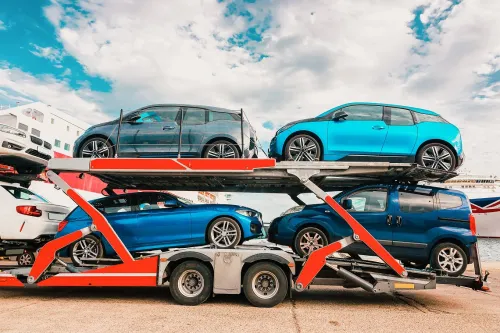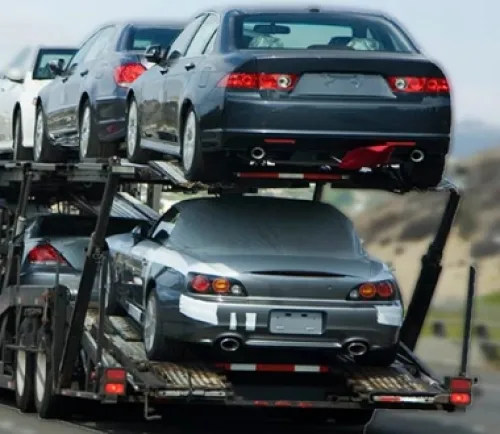

If you need to move a car to or from Cincinnati, the basic decision is usually between open and enclosed transport. Open carriers work well for most everyday vehicles and generally cost less. Enclosed transport adds protection for classics, exotics and other high-value cars.
Cincinnati also presents a few local issues worth considering before pickup. Interstate 75 and Interstate 71 make the region easy to reach from several directions, but a carrier that gets close to the city may still have trouble reaching a specific address. Neighborhoods such as Mount Adams combine steep hills, narrow streets and limited maneuvering space, which can make a nearby meeting point more practical than delivery directly in front of a home.
For individual owners, dealerships and other businesses, good planning starts with matching the transport method to the vehicle, route and pickup location.
How Cincinnati Fits Into the Regional Shipping Network
Cincinnati sits at an important highway crossroads. I-75 runs north toward Dayton, Toledo and Detroit and south through Kentucky toward Knoxville and Atlanta. I-71 connects Cincinnati with Columbus and Cleveland to the northeast and Louisville to the southwest.
Those highways are useful for vehicle transport Cincinnati customers because major interstate corridors generally give carriers more routing options than isolated rural destinations.
Access changes once the truck leaves the interstate.
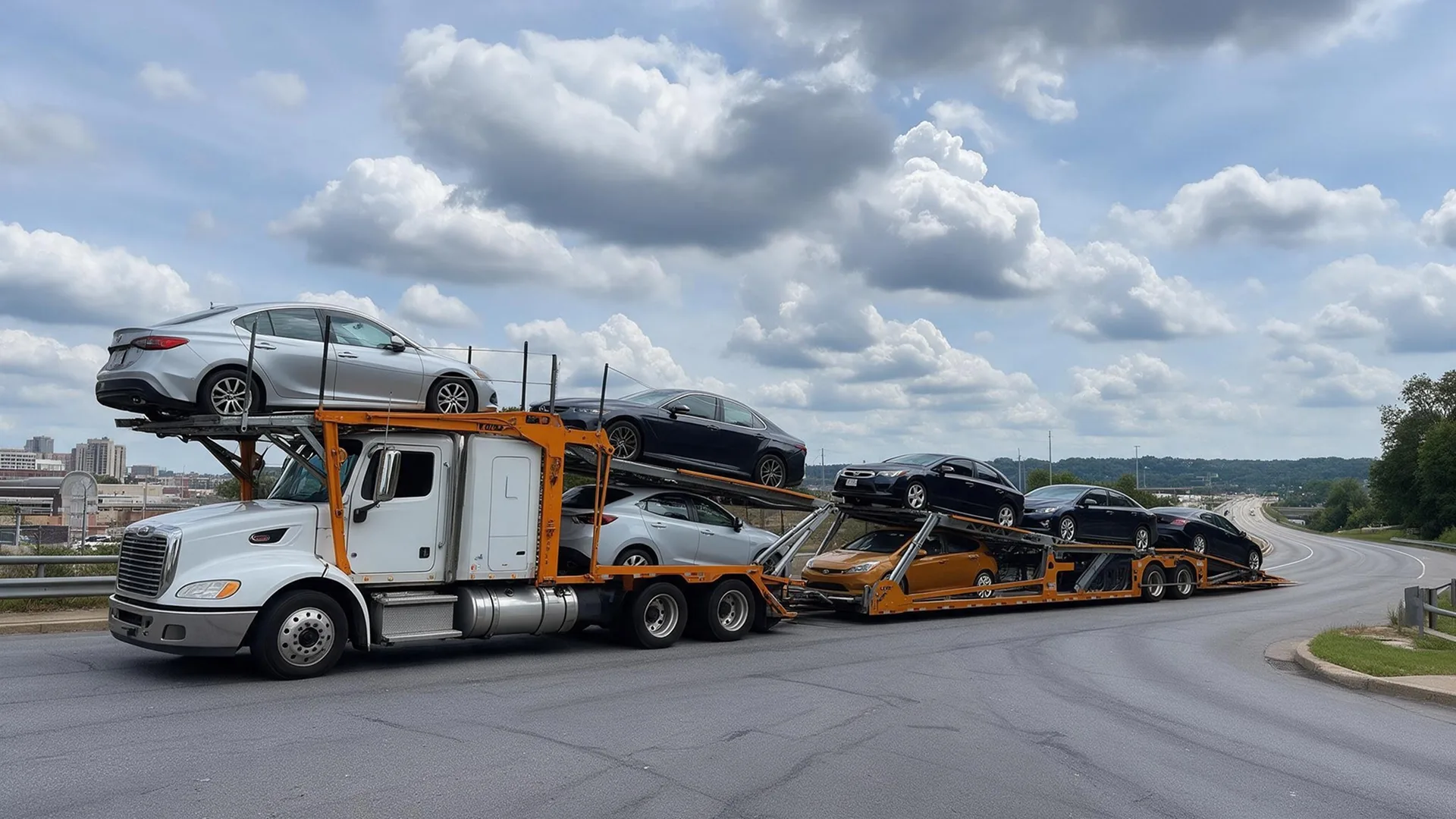
A full-size auto transporter may be more than 70 feet long when loaded. Wide suburban streets and commercial areas are usually easier to serve than dense hillside neighborhoods. Cincinnati’s topography matters here. Mount Adams, for example, is built on a steep hillside above downtown, and city planning documents describe parts of the neighborhood as having modest street widths, narrow sidewalks, on-street parking and very tight conditions, making door-to-door delivery challenging.
That doesn’t prevent car shipping. It simply affects the last few blocks of the trip.
What Are Your Cincinnati Car Shipping Options?
Most customers need to choose among a few common approaches.
- Open auto transport. This is the standard choice for daily drivers, SUVs, pickups and most newer vehicles. Cars ride on an open multi-level trailer. It offers strong carrier availability and is generally the least expensive option.
- Enclosed transport. The vehicle travels inside a covered trailer that protects it from weather and road debris. It costs more but makes sense for collector cars, high-value vehicles and cars with finishes that deserve extra protection.
- Door-to-door delivery. The carrier attempts to pick up and deliver the vehicle as close to the requested addresses as safety and local access allow. In most cases that works well, but the phrase does not mean a large transporter will enter a street that is too narrow, steep or difficult to turn around on.
For most ordinary cars, vehicle transport in Ohio using an open carrier will be the logical starting point.
Open or Enclosed Transport?
Open shipping makes sense when the goal is reliable transportation at the most reasonable cost. It is the same basic method used to move new vehicles from factories and distribution points to dealerships.
Enclosed transport is more specialized. A restored muscle car, low-mileage exotic or valuable classic may justify paying more to keep the vehicle out of rain, snow and airborne road debris.
The important thing is to match the service to the car rather than automatically buying the most expensive option. A five-year-old family crossover rarely needs the same protection as a six-figure collector car.
Owners who are unsure about the tradeoff can compare standard open shipping with classic car shipping before booking.
Estimated Cincinnati Car Shipping Rates by Distance
Distance has a major effect on shipping cost, but it is not the only variable. Vehicle size, route demand, season, operability, fuel costs, pickup accessibility and the type of carrier can all change the final price.
Shipping Distance |
Open Carrier Cost |
Enclosed Carrier Cost |
|---|---|---|
Under 500 Miles |
About $600+ |
About $900+ |
500 to 2,500 Miles |
About $1,100+ |
About $1,500+ |
Over 2,500 Miles |
About $1,300+ |
About $1,800+ |
These figures are useful for rough planning rather than as fixed quotes. Current Nexus pricing data also shows that open-carrier costs vary substantially by mileage band, while enclosed transport generally carries a premium over open shipping.
A large pickup will usually cost more to transport than a compact sedan because it takes more space and adds more weight to the carrier. An inoperable vehicle may also cost more if special loading equipment is required.
For that reason, route-specific pricing is more useful than relying on a national average.
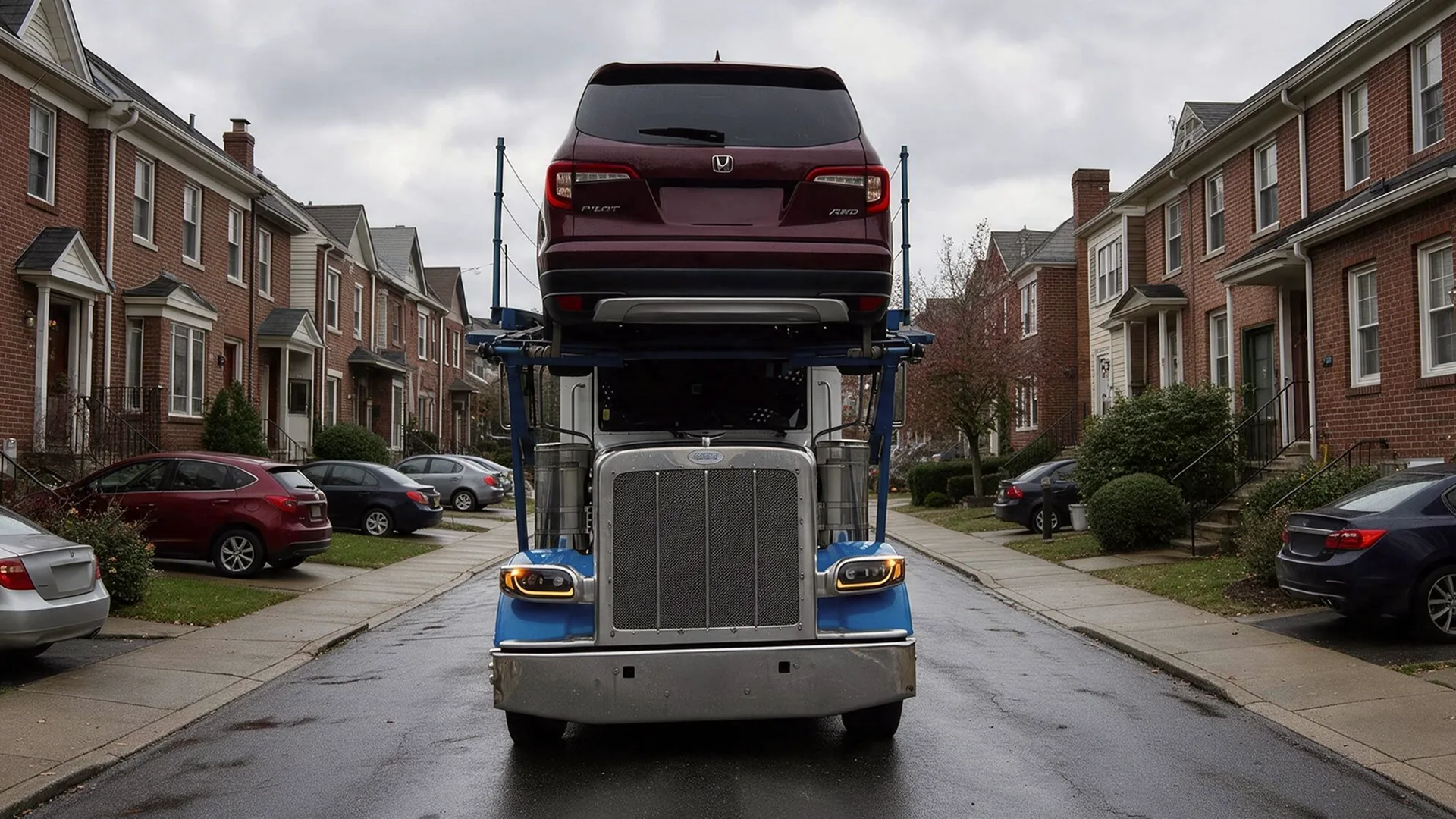
Why Mount Adams Can Complicate Door-to-Door Delivery
Mount Adams is a good example of why door-to-door delivery has to be interpreted practically.
Cincinnati’s own Mount Adams Neighborhood Strategic Plan describes parts of the neighborhood as having narrow street widths, on-street parking and challenging topography, exactly the combination that can make a nearby meeting point more practical for a large auto carrier.
An auto carrier needs more than enough width to squeeze through. The driver also needs room to turn, stop safely and load or unload without blocking traffic.
If your street cannot accommodate the truck, the driver may suggest meeting nearby on a wider road or in a large parking area. That can save time and reduce the risk of damaging the transporter, other vehicles or roadside property.
The same principle applies in other older Cincinnati neighborhoods where narrow streets, tight corners or hills limit access.
Cincinnati Shipping for Dealerships and Businesses
Car transport is not limited to household moves. Cincinnati-area dealerships may need to move vehicles purchased at auction, transfer inventory between locations or deliver sold vehicles to customers in other states. Businesses may also need to relocate fleet vehicles or move company cars for employees.
For B2B customers, predictability and accurate vehicle information matter more than generic promises. A dealership shipping several SUVs should identify the exact vehicles because weight and dimensions affect how the carrier can build the load.
Private customers have similar concerns when buying a vehicle remotely. Shipping the car can eliminate the need to arrange a flight, temporary registration or a long drive home.
That makes auto transport Cincinnati a practical logistics service rather than simply a relocation convenience.
How Winter Weather Can Affect I-75
I-75 is one of the main commercial routes through Cincinnati, carrying interstate truck traffic north toward Dayton and Toledo and south into Kentucky. The Ohio Bureau of Motor Vehicles regulates commercial vehicles operating in Ohio and other jurisdictions, including many heavy tractor-trailer combinations used in interstate transportation.
Winter storms can still disrupt that traffic. Snow, ice and freezing rain may slow carriers anywhere along the route, so a delay north or south of Cincinnati can affect an estimated pickup or delivery time even when local roads are clear.
That is one reason pickup and delivery times are estimates rather than guarantees. During winter, some flexibility is wise if weather is developing along the route.
How to Prepare for Cincinnati Vehicle Transport
A few details can make the shipment much easier. Give the transport company accurate information about the vehicle, including modifications that change its height or ground clearance. Make sure the car can start, steer and brake unless you have arranged inoperable transport.
Remove personal belongings and loose accessories before pickup. Leave enough fuel for the carrier to load and unload the vehicle without carrying unnecessary extra weight.
Also think about the pickup address from the driver’s perspective. If you live on a steep or narrow street, mention it ahead of time rather than waiting until a large transporter arrives.
That small amount of planning can make the difference between a smooth handoff and a last-minute search for somewhere safe to load the car.
FAQs
How do narrow streets in historic Cincinnati neighborhoods affect door to door delivery?
A large carrier may not be able to reach every residential address safely. In neighborhoods such as Mount Adams, narrow streets, hills and parked cars may require pickup or delivery on a nearby wider road or parking area.
Can I ship a vehicle directly to the Cincinnati Northern Kentucky International Airport transport hub?
Not as a routine public auto-transport service. CVG’s ground transportation facilities are designed primarily for passenger transportation and rental cars, while its cargo facilities operate separately. Arrange a nearby legal meeting point with your carrier rather than assuming the terminal or cargo area can be used for vehicle delivery.
How do winter weather conditions on Interstate 75 impact shipping timelines to Ohio?
Snow, ice and freezing rain can slow traffic or temporarily interrupt a carrier’s route. Even if Cincinnati roads are clear, winter conditions elsewhere along I-75 may delay pickup or delivery.
Ready to Ship a Vehicle To or From Cincinnati?
Once you know the pickup location, destination and vehicle, the next step is getting a route-specific price rather than relying on a general average.
Get an Instant Quote from Nexus Auto Transport to compare current shipping options for your Cincinnati move.