
Why is it that when you enter the same vehicle, pickup, and drop-off locations into different car shipping websites, you end up with different quotes? One is $750, another is $925, and the highest is $1,200. If they’re all moving the same vehicle the same distance, why is the price so different?
Why Do Car Shipping Companies Give Different Quotes?
There is no universal price chart with flat fees that all car shipping companies use. Understanding car transport pricing begins with recognizing that there are thousands of carriers out there, each trying to offer reliable service and maximize profits to sustain their businesses.
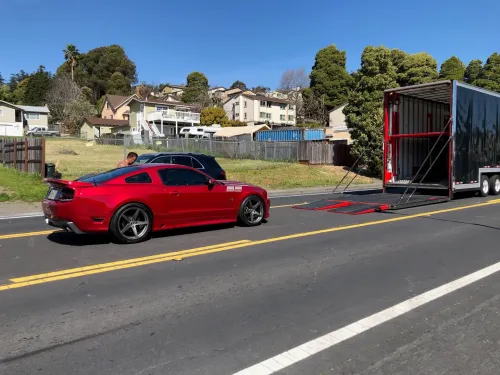
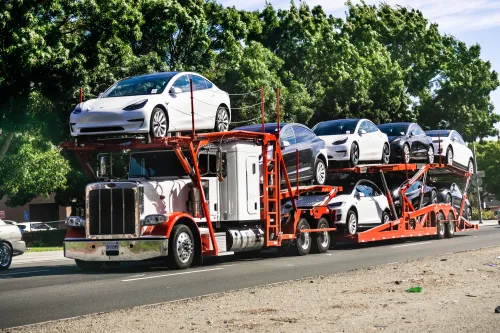
This means that no two companies will have the exact same price quote. One of the carriers you’re looking at may have an open car shipping trailer ready to go between your pickup and destination, offering you a lower price point to fill their spaces. Another may use an enclosed trailer with only two spots and focus on high-end or luxury cars, driving up prices.
Over 349 million people live in the United States. Each one has a different story. Car shipping needs to accommodate someone buying a car online for a student heading to college, as well as a family relocating to a new state and needing an AWD SUV with a 3rd row. With all that diversity, finding two companies offering the same price point is next to impossible.
Here are the primary factors affecting car transportation prices that you’re likely to see. Just remember, it’s more about finding a quality partner like Nexus Auto Transport when you’re searching for car shipping than getting the lowest price.
What Factors Influence Your Car Shipping Quote?
1. Broker vs. Carrier Pricing Works Differently
Most people who hire car shipping work through a broker. This is like a dispatcher for taxicabs. Instead of having to call hundreds of carriers and find one that works for your unique situation, the broker does all that work for you. They receive a small fee for the service, but you get full coordination from pickup to drop-off.
There’s also the registration issue. Not all carriers are on the “up and up.” You want a reliable and reputable broker like Nexus who will verify FMCSA and USDOT numbers, proper insurance coverage, and relevant experience with your route and car needs.
Broker vs. Carrier Pricing Models
Feature |
Broker |
Carrier |
|---|---|---|
Pricing Flexibility |
Can compare current rates and availability across multiple carriers |
Prices according to its own operating costs, schedule, trailer space, and route |
Route Coverage |
Broader coverage through access to a network of carriers serving different routes |
Limited to routes the carrier and its trucks currently operate |
Asset Ownership |
Typically does not own the trucks used for transport |
Owns or operates the trucks and trailers that physically transport vehicles |
Negotiation Power |
Can compare multiple carrier options and negotiate based on current market availability |
Sets rates based on its available capacity and willingness to accept a specific shipment |
2. Distance and Route Popularity Affect Your Quote
The total distance you travel is important, but so is how popular that route is among other drivers. Shipping a sedan from upstate New York to Florida during snowbird season may be more congested. A rural route that is half that distance may be served by only a limited number of carriers.
When you have popular routes, you tend to benefit from:
- More carriers regularly traveling the corridor
- More opportunities to fill trailers
- Easier access to major interstates
- Larger populations of customers shipping in both directions
- Less time spent driving away from established routes
3. Your Vehicle Changes the Amount of Trailer Space Needed
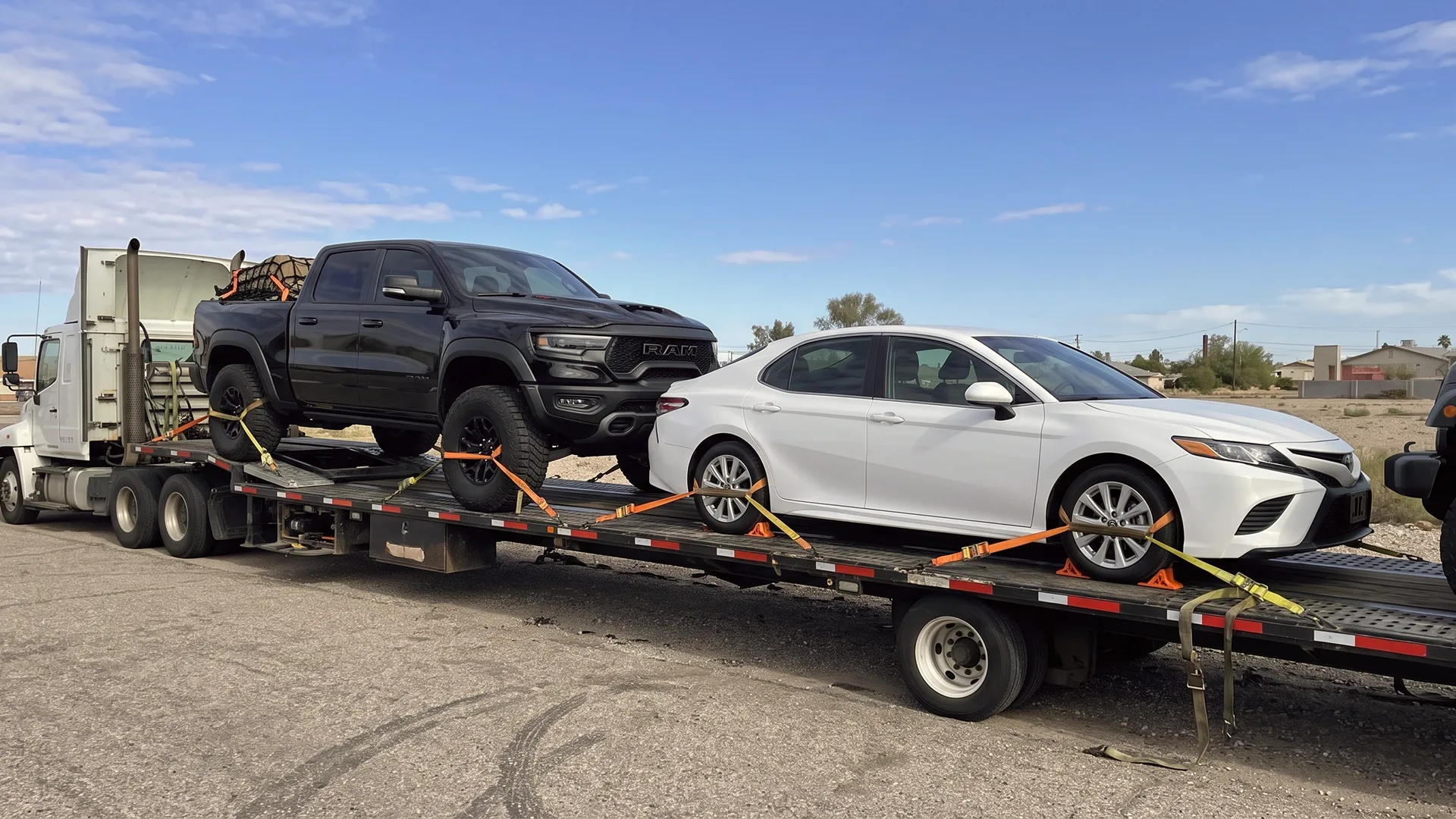
Most trailers will fit cars in a space of around 18 to 20 feet long and 8.5 feet wide. If your vehicle is much larger, like an oversized work truck or inoperable RV, you’ll need a different trailer. The size of your car is one of the most important factors affecting car transportation prices.
You’ll typically see a higher premium for vehicles that fall into these categories:
- Vehicle length, width, height, and weight
- Oversized pickup trucks and SUVs
- Dually trucks and commercial vans
- Lift kits and oversized tires
- Lowered suspension or low ground clearance
- Aftermarket body modifications
The operating condition is also important. If your car is no longer working, you will need a carrier with a winch or lift to load it onto the truck. That’s why it's crucial to include that information when you’re getting a quote.
4. Open and Enclosed Auto Transport Have Different Costs
Type of trailer is key to understanding car transport pricing. The most common option is open auto transport. That means your vehicle is exposed to weather and road debris, but it can typically be shipped at a lower price and with a more flexible timeframe.
For higher-end vehicles with premium finishes, enclosed auto shipping is better. That protects the vehicle from weather like hail and road debris like rocks, as well as unwanted attention from people wanting a closer look at a performance vehicle not typically seen in their area.
Fewer carriers offer enclosed auto transport, making it more expensive to find a spot than with an open trailer.
5. Flexible Pickup Dates Can Lower Car Shipping Prices
When you want your car shipped matters. If you can provide a range of dates for both pickup and delivery, you’ll often get a lower price quote. That’s because the carrier can match up your needs to their current schedule.
For some customers, expedited car shipping is a better choice. For a little extra upfront, you’ll be moved up the line in matching your car delivery to a carrier. That can result in a total delivery time 1 to 4 days earlier than you’d otherwise get.
You can get a more accurate estimate by booking delivery 2 to 3 weeks before your anticipated pickup date. Any last-minute requests will likely come at a premium.
6. Car Shipping Has Busy and Slow Seasons
What factors influence your car shipping quote? One is the season of the year. It’s more expensive to ship a car when demand is higher. That means you’ll pay a little more to find a spot on a trailer during:
- Summer moving season
- College move-in and move-out periods
- Major holidays
- Spring and fall snowbird migrations
- Military relocation periods
- Large automotive events and auctions
Winter storms may result in lower price quotes, but also potential delays. The trade-off is cost versus timing. You have to decide what works best for your unique car shipping situation.
7. Fuel, Insurance, Equipment, and Safety Have Real Costs
The final factors affecting car transportation prices are in the nitty-gritty details. They are ensuring you’re working with a professional team that can mitigate risk as much as possible. Those are the teams that work typical operating costs into the price. Concerns like:
- Commercial insurance
- Driver compensation
- Tractor and trailer maintenance
- Tires and replacement parts
- Specialized loading equipment
- Fuel
- Licensing and regulatory compliance
- Safety inspections
These teams know what it means to run a business in the car-shipping industry. They have been operating for a long time and have a good network of carriers to ensure clients’ needs are met on time and within budget.
Working with a team like Nexus Auto Transport ensures you get the help you need to ship a car at a reasonable price and within a reasonable timeframe. Learn more by reading our car shipping guide.

Why the Cheapest Car Shipping Quote Can Be a Red Flag
When you’re hunting for a quality car shipping provider, remember that it’s not all about money. Yes, you want to save what you can, but an unusually low quote could be a marketing tactic. A carrier may try to attract as many customers as possible, only to end up canceling the delivery if their minimum requirements aren’t met.
If you’re worried about the company you’re considering and the price quote they’ve given you, be on the lookout for:
- Hidden fees not disclosed in the original estimate
- Unclear deposit or cancellation terms
- Prices that may change before a carrier accepts the shipment
- Missing information about insurance
- Vague pickup and delivery expectations
- Quotes based on incorrect vehicle information
- Companies that don't clearly identify themselves as brokers or carriers
Don’t be afraid to ask questions. A reputable company like Nexus will happily address any concerns you may have long before you commit to a booking. You’ll get a clear breakdown of pricing so when it comes time to decide on your car shipment, all the info is transparent and on the table.
Know What You're Paying for Before You Book
There will always be different factors affecting car transportation prices. As long as there is competition in the industry, there will always be one company trying to get more customers than others.
The trick is to ensure you have a quality situation for your delivery. Stick to the companies that have insurance coverage, online reviews, proper licensing, and experience. Those are the ones offering real value for your hard-earned money and work hard to keep that reputation as long as possible.
FAQs
Are there any hidden fees omitted from an initial auto transport quote?
There shouldn’t be any hidden fees. The broker should always provide you with what the quote covers and what it does not cover ahead of time. Just be sure to provide as much info as you can to avoid any miscommunication.
Does an expedited pickup window guarantee an exact delivery date?
No. What it does is jump you up the list so your vehicle is assigned more quickly, often resulting in a slightly shorter total delivery timeframe.
What happens to my booking if fuel prices spike after I sign the agreement?
That depends on the pricing terms in your agreement. Read through the contract carefully so that if fuel prices change, you’ll know what to expect from your delivery.