
The stress of a long road trip is tough enough. You might be relocating due to work or sending a vehicle to your kid’s future college campus. Even something as repeatable as an annual move down south during the winter carries a lot of logistical considerations, especially with your car’s battery.
According to a recent J.D. Power study, up to 44% of Americans experience battery malfunctions each year. Seasonal temperature changes, long periods of inactivity, or all that corrosion you hear about building up on the contacts can lead to nothing more than a clicking sound the next time you try to turn the key in the ignition.
Without proper car battery maintenance, you can end up stranded halfway between Massachusetts and Florida, or between Montana and Arizona, trying to flag down someone on the side of the road or call AAA for help. With a little battery TLC, you can prevent these issues.
Why Your Battery Matters More During Long-Distance Travel
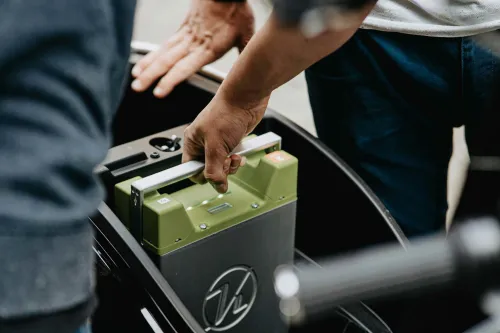
A battery does more than keep your lights on during a foggy ride. It is the epicenter of energy throughout the vehicle. Everything electrical, from lights to sensors, locks, alarms, and the infotainment system you love to play Spotify or Apple Music on, relies on the battery.
When you have a short trip, battery weakness is pretty hard to spot. Unless the car doesn’t start, you likely don’t know your battery’s overall charge health. A traditional combustion engine car doesn’t have a monitor.
It’s when you’re going for a long journey to visit family, relocate to another home, or take a much-needed vacation that you see how the battery functions. That is when the increased strain on your electrical system, using navigation, charging phones in the cabin, and keeping the temperature optimal, takes a significant toll on your battery.
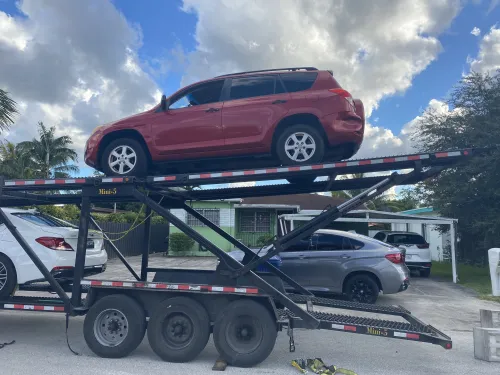
The longer the trip or time between turning the vehicle on and off, the greater the risk of battery issues. It’s why the team at Nexus Auto Transport recommends checking your battery before car shipping.
What to Check for Car Battery Maintenance: Quick List
Start with the Age of the Battery
Most batteries last 3 to 5 years, depending on where you live and how often you use the vehicle. You can check the age of your battery by looking at the sticker on it. Lift your car’s hood and look for a sticker with something like “3/15” or “8/24.” This means the battery was manufactured in March of 2015 or August of 2024.
You might also see a strip or heat stamp with an alphanumeric code like “8C.” The first number is for the year. So 0-9 for that decade. The second letter corresponds to the month. So A would be January, B would be February, C would be March, and so on. Something like “8C” would mean March of 2018.
If your car’s battery is close to the 5-year mark, it's probably time to replace it before your long trip.
Use a Visual Inspection
Next, you want to visually inspect the battery. You don’t need a mechanic to see those obvious issues that crop up, like:
Corrosion surrounding terminals
Loose or disconnected cables
Swelling or cracks in the battery case
Frayed wiring
Battery movement in the mounting bracket
Corrosion is a big issue. That is the white or bluish buildup around the terminals. You can remove that with a 1:1 mix of baking soda and water. Some mechanics swear by the “Coca-Cola” method, but that can leave a sticky residue. The best thing is to remove the contacts and use a brush with an approved cleaner from your local parts store.
Test the Battery Before You Leave
You would also test the battery. Most auto parts stores and chain tire shops offer free battery testing. A healthy battery will read about 12.6 volts (V) when fully charged. If it's below 12.4V, it’s a sign the battery is weakening.
Never ship a car with a professional carrier without telling them whether the battery is dead. It changes how the vehicle is safely loaded onto a truck if the vehicle is inoperable. For example, if you’re shipping an antique car you want to restore that doesn’t have a working battery, you’ll probably need a specialized truck to handle loading and unloading.
Remember That the Battery May Not Be the Real Problem
Part of your car battery maintenance is to look around the space and not just at the battery. If the casing is too loose or the connections are not fully secured, that could be your issue. While you’re at it, be sure to check your tire pressure, inspect fluid levels, and test headlights.
It’s a good idea to follow all these maintenance tips at the same time. That way, you know you’re in good shape before taking a long trip from coast to coast and hitting the best diners along the way.
Long-Trip Car Battery Maintenance Checklist
Maintenance Check | What to Inspect or Test |
Battery Age | Check the manufacture date sticker or battery code |
Terminal Corrosion | Look for white or bluish buildup around terminals |
Voltage Test | Test battery voltage with a multimeter or auto shop tester |
Secure Mounting | Check if the battery moves inside the mounting bracket |
Cable Condition | Inspect cables for fraying, cracking, or loose connections |
Warning Signs | Watch for dashboard battery lights, dim lights, or electrical glitches |
Headlights & Electrical Systems | Turn on headlights, brake lights, and accessories |
Slow Starts or Clicking Sounds | Listen for hesitation when starting the engine |
Professional Battery Test | Visit an auto parts store or mechanic for full testing |
Emergency Backup Equipment | Confirm jumper cables or jump starter are available |
Post-Shipping Battery Check | Recheck battery and electrical systems after transport |
Why Idle Time Creates Problems During Shipping
A big reason to know whether your car’s battery is in good shape before shipping is the time it spends idling or not in use. Even the most efficient auto transport routes have a little idle time at truck stops or cafes. When your vehicle spends several days on the back of open or enclosed trucks, the battery isn’t being charged by the alternator. If the battery is already weak, it may not send a signal to the engine to turn over when it's time to unload in your driveway.
That idle time is more often seen during colder winter months or when you purchase a vehicle that has been sitting on a lot for weeks. That is why it is crucial to work with professional auto shipping carriers, such as the network provided by Nexus Auto Transport. The clear pricing, experienced service, and pre- and post-delivery inspections go a long way toward ensuring your car arrives in the condition it left.
If you're planning a long-distance move, our step-by-step relocation guide explains what to expect.
What to Keep in the Car Just in Case
You don’t want to be stuck in the middle of Kansas or Alabama without a phone signal and a car battery on the fritz. Even with proactive preventive car battery maintenance, you can still run into an emergency. For those situations, you may want to keep a few things in your trunk, like:
Jumper cables
A portable jump starter
Flashlight
Emergency contact information
Basic roadside tools
The hope is that you’ll never need to use any of these items, but it’s worth keeping them on hand just in case. You can often purchase a “kit” from your local parts store, dealer, or at a big box store that includes all these items in one convenient carrying bag.
A pro tip is to look for a kit with Velcro on the bottom so it sticks to the bed of your trunk and doesn’t shift around while you’re driving.
Build Better Vehicle Habits Before the Trip Begins
The best car battery maintenance tip is to be consistent with your checks. Pay attention to how your car responds when you turn it on, and try to reduce the use of the heating, AC, or charging elements when idling for an extended period. Always double-check your battery before a long trip or shipping your vehicle from state to state.
A few preventive tips can save you a lot of frustration down the road. That matters whether you’re moving for a job or using a professional service to send your mother-in-law a comfortable sedan.
FAQs
Can extreme temperatures permanently damage a car battery during transport?
The optimal temperature for a car battery is between 70 and 80 degrees Fahrenheit. Unfortunately, not everyone lives in Hawaii. The cooler and hotter it gets, the more strain on your battery and the more often you should check to make sure it is holding a charge. Try checking once every six months, when you get an oil change, and before long trips.
Should I disconnect my battery before shipping a vehicle?
This is a great question. The answer is it depends. Talk to your specific carrier. Sometimes they want vehicles available for shifting around during delivery so they don’t have to spend time messing with connections.
Does shipping a vehicle affect battery charge levels?
It can. The longer it sits idle, especially in extreme temperatures, the more it can drain. Testing your battery beforehand goes a long way toward giving you peace of mind that it will arrive in working condition.
Is battery maintenance more important for EVs than gas-powered vehicles?
100% it is! Your EV’s battery is the primary energy source for everything in your vehicle. Keeping that battery in good health is like tuning the engine in a gas-powered car. Make sure it has the latest software update, and you know where to get a decent charge after arrival.
What’s the safest way to avoid battery problems during a relocation?
Test your battery ahead of time. Make sure all connections are tight and free from corrosion. Keep an emergency battery kit in your car, just in case. That will be enough when you’re shipping the vehicle.