
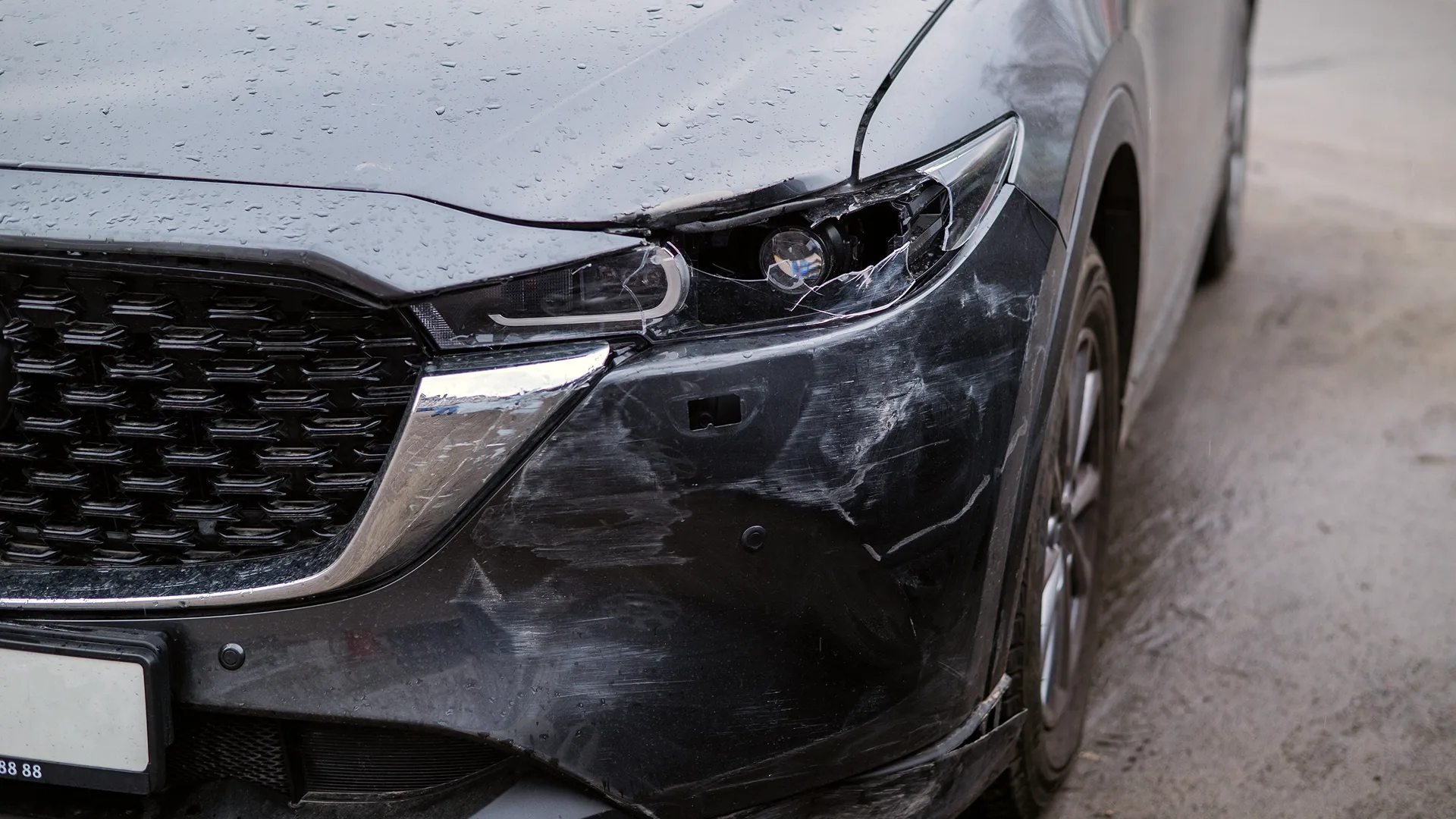
The Federal Motor Carrier Safety Administration (FMCSA) notes that large trucks (>10,000 lbs.) were involved in more than 500,000 crashes reported to the police in the U.S. during a recent year. While car carriers comprise only a small portion of all large trucks, the possibility of being involved in accidents exists. In addition to motor vehicle accidents, transported cars can sustain damage during loading and unloading or from weather events, road debris, and other causes.
The potential damage to your vehicle during transit makes it important that you understand the various forms of vehicle transport insurance and consider whether to purchase additional vehicle shipping insurance for your upcoming shipment.
Read on to ensure you have the right coverage to protect your car during shipping.
What Is Vehicle Transport Insurance and What Does It Cover?
Multiple forms of car transport insurance apply when your vehicle is shipped across state lines or across the country. The following list distinguishes the various insurance types and how they apply to your vehicle.
Carrier Liability Insurance
The FMCSA requires carriers to have $750,000 in liability coverage for bodily injury and property damage to others. It does not cover the cargo being hauled, including your car.
Cargo Insurance
Cargo insurance covers the goods being transported, including vehicles being hauled by a car carrier. While cargo insurance is not required by law, brokers generally require this coverage before booking work with a particular car carrier.
Cargo insurance policies vary, but they cover dents, scratches, and other damage caused by an accident. These policies often exclude Acts of God, such as hail, flood, or hurricane damage, as well as vandalism.
Personal auto insurance
Your personal comprehensive auto insurance is secondary during transport, meaning the cargo insurance has primary responsibility for covering damage. As discussed in more detail later, your personal insurance may cover cargo insurance shortfalls and instances not covered by the cargo insurance, including Acts of God and vandalism.
Supplemental insurance
Reputable brokers offer supplemental insurance options that you pay to ensure your vehicle is fully covered and to reduce or eliminate the deductible. This is often called gap insurance in the transport industry, though GAP insurance also has another specific meaning among insurers.
These coverages typically do not extend to personal items left inside your vehicle, so you should remove any valuables or personal belongings before shipping the vehicle. (Most carriers require you to remove all personal items.)
Before shipping your vehicle, thoroughly review the insurance and options provided by the transport company and your personal insurance Then, discuss your potential needs with your insurance provider. There is always a cost-benefit issue when considering insurance, but confirming you have the coverage you need offers peace of mind, knowing that your vehicle is protected throughout the process.
Types of Auto Transport Insurance Coverage
Comprehensive Coverage | Collision Coverage | Supplemental Coverage | |
Primary Purpose | Covers your vehicle | Liability for bodily injury and property damage to others | Covers gaps from other insurance |
Key Covered Incidents | Damage to your vehicle | Accidents involving others or their property | Excess from major losses and Acts of God |
Main Advantages | May supplement carrier coverage | None; does not cover your vehicle | Covers worst-case scenario |
Limitations / Exclusions | May not cover vehicle during transport | Does not cover your vehicle | Highly depends on selected coverage |
Best For (Ideal Scenario) | Standard vehicles | Not applicable | Higher value vehicles; risk averse |
How Transport Insurance Safeguards Your Vehicle
Your vehicle faces multiple risks when being transported, so transport insurance provides financial protection against them.
Coverage for Damage During Loading and Unloading
Among your vehicle's riskiest moments are loading and unloading. Even though auto moving companies handle these operations with great care, accidents still occur, leading to scratches, dents, or more serious damage.
In such cases, vehicle transport insurance provides coverage for mishaps that occur during loading or unloading, helping you avoid unexpected repair costs.
Protection Against Road Hazards and Accidents
Your vehicle will be exposed to unexpected hazards during transits, including potholes and debris. Plus, even the most skilled drivers can find themselves in situations that lead to accidents.
The carrier's car transport insurance covers most, but not all, damage resulting from these incidents.
Theft and Vandalism Protection
Despite the transport company's security measures, your vehicle will be at risk of theft or vandalism during transport. The carrier's policy may cover these events, but it may fully cover the value of your vehicle due to coverage limits.
Weather-Related Incident Coverage
Mother Nature can be unpredictable, and environmental conditions can pose serious risks to your vehicle during transport. While normal weather events are covered by most cargo insurance, Acts of God such as hail, tornadoes, floods, earthquakes, and wildfires are often excluded from the carrier's cargo insurance coverage.
One benefit of covered car transport is that enclosed carriers greatly reduce the potential for weather-related damage.
How Much Does Supplemental Auto Transport Insurance Cost?
Since the cost of the carrier's liability and cargo insurance is built into the price of their services, you do not pay for them separately. So, the issue of the car shipping insurance cost primarily concerns supplemental insurance, which is driven by several factors.
Vehicle Type and Value
Your vehicle type and its value are the primary drivers of the price for vehicle shipping insurance. For example, luxury, sports, and classic cars are often more valuable and require greater coverage than a standard daily driver or a used car.
Transport Distance
The distance your vehicle travels directly affects insurance costs, as longer journeys increase the risk from weather and road conditions. The price may also be affected by the season and the potential for snow or hurricanes in the areas your car travels through.
Transport Method
There are two primary types of car carriers: open and enclosed. You regularly see open car carriers on the highway, and, as the name implies, the vehicles being hauled are exposed to the elements.
Enclosed carriers look more like regular trailers, with roofs and side panels that protect their contents from hail, road debris, and vandals. Although one of the benefits of covered car transport is greater protection, it tends to carry fewer, higher-value vehicles than open carriers, leading to higher insurance premiums.
Dollars and Cents
Supplemental insurance is priced as a flat fee or a percentage of the car's value. Auto transport brokers sites suggest the flat fee generally applies to lower-priced vehicles and costs $50 to $500, with the price dependent on the vehicle's value and the specific coverage you require.
The percentage-of-value approach gets used with premium vehicles. It can range from 1% to 3% of the vehicle's value, meaning a $100,000 vehicle might see a premium of $1,000 to $3,000.
When Should I Buy Additional Transport Insurance?
Whether you should buy additional vehicle transport insurance depends on your risk tolerance. Many people shipping a standard vehicle with comprehensive personal insurance may not need to pay for supplemental insurance. However, supplemental coverage can be invaluable if your vehicle has expensive accessories or custom features.
Explore Third-Party Insurance Options
Review your personal policy's coverage and consult with your auto insurer before deciding on supplemental car shipping insurance. Among the issues to consider with your insurer are:
Deductible Amount.
Coverage Limits.
Exclusions.
Claims Process.
If the insurance provided by the car transport company doesn't meet your needs, consider a third-party insurance policy that lets you customize coverage based on your vehicle's specific value and the distance it will travel.
Remember to research and compare options carefully. Find a policy that balances coverage cost-effectively, ensuring you get the protection you need at a good value.
Can You Add Insurance After Shipping?
Once you ship your vehicle, you are generally not able to purchase car shipping insurance because the insurance company can't distinguish pre-existing damage from that occurring in transit.
If you are on the fence about getting car shipping insurance, reach out to your auto insurance company. They can review your current coverages and let you know whether it is a good idea to purchase additional insurance.
Steps to Take When Buying an Auto Insurance Policy

Get Everything in Writing
Before you sign any documents, make sure all considerations and special agreements are documented in writing. If an insurer provides a service or guarantee that is not in its standard contract, make sure to document it in writing.
Request Proof of Insurance
Reputable car carriers will provide you with proof of insurance without any questions. You should avoid companies that don't provide proof of insurance.
Remove All Your Possessions from Your Car
Generally, car shipping insurance does not cover damage to your vehicle's interior or your possessions. Moreover, most carriers require that you remove personal items from the vehicle.
Perform an Inspection
The driver who picks up your vehicle must inspect it and note pre-existing conditions in the Bill of Lading. You should jointly inspect the car with the driver while taking photos or recording videos as additional documentation.
Complete the Bill of Lading
You and the driver must sign the Bill of Lading when the vehicle is picked up, and you should receive a copy. Review the Bill of Lading carefully, especially the notes about your vehicle's condition.
If you need to file a claim after they deliver your car, the insurance company will rely heavily on the Bill of Lading and its documentation of the vehicle's condition before and after transport.
Where to File a Complaint
Complaints about the damage to your vehicle are filed with the insurance company. If they improperly handle your claim or fail to pay for the damages they caused, reach out to the Better Business Bureau.
You also have the right to file a complaint with the Department of Transportation. Be sure to include all evidence you have against the insurance company to make the reporting process go smoothly.
Auto Transport Insurance Options Comparison
Insurance Source | Personal Auto Insurance | Carrier Cargo Insurance | Third-Party Supplemental Insurance |
Primary Scope of Coverage | Your vehicle | All vehicles on carrier | Your vehicle |
Typical Cost Implications | No additional cost | No additional cost | $50 to $3,000+ |
Main Advantages | Existing coverage | Included in cost of doing business | Protects against uncommon events |
Key Disadvantages / Gaps | May not cover vehicle in transit | May not cover vehicle’s full value | Additional cost; takes time to specify |
Recommended Use Case | Secondary coverage for standard vehicles | Base coverage; handles most situations | High-value vehicles |
Trust Nexus Auto Shipping for Your Vehicle’s Safe Journey
Having the right insurance coverage is crucial when transporting your vehicle. Although most vehicles arrive safely and without damage, you should ensure that you are insured against the financial consequences of potential damage. Whether to buy supplemental insurance and the specific coverage terms are your personal decisions that depend on your vehicle, risk tolerance, and other factors. The key is that you understand and consider your options and to make the choice that is right for you.
Nexus Auto Transport is a trusted leader in the auto shipping industry. We don't just move vehicles; we protect them every step of the way. Our comprehensive range of insurance policies can be customized to fit your specific needs, offering robust protection against various risks.
Contact us today to get your vehicle on the move or use our online shipping cost calculator for a personalized auto-shipping quote.
FAQs
Does auto transport insurance cover items left inside the car?
Transport insurance does not cover items left in the vehicle. Most auto transporters require you to remove personal items from your vehicle for weight and insurance purposes.
What if my car's value exceeds the carrier's insurance limit?
If the loss related to your car exceeds the carrier's insurance limit, you are responsible for the difference unless you purchased supplemental coverage or your personal comprehensive auto policy covers the difference. Again, reviewing the carrier's insurance policy and your personal coverage in advance is critical, and you should consider supplemental insurance as needed.
How long does an auto transport insurance claim take to process?
The time to process a claim varies widely, though you must file a claim within the timeframe set in the contract and provide all the necessary information. Simple cosmetic damage claims are often resolved within a few weeks, while more complex or contested claims can take several months.
Will my personal car insurance cover shipping damage?
In most cases, your personal car insurance is considered secondary. It only backs up the carrier's policy and applies to Acts of God and instances in which the carrier's coverage does not fully cover the value of your vehicle. Everyone's situation is different, so it is critical that you discuss your coverage and needs with your insurance provider.