
If you’ve ever planned a move or purchased a vehicle from another city, you’ve probably wondered whether weather can affect shipping. The short answer is yes, weather can have a major impact on car transport timelines, carrier availability, and even the overall shipping experience.
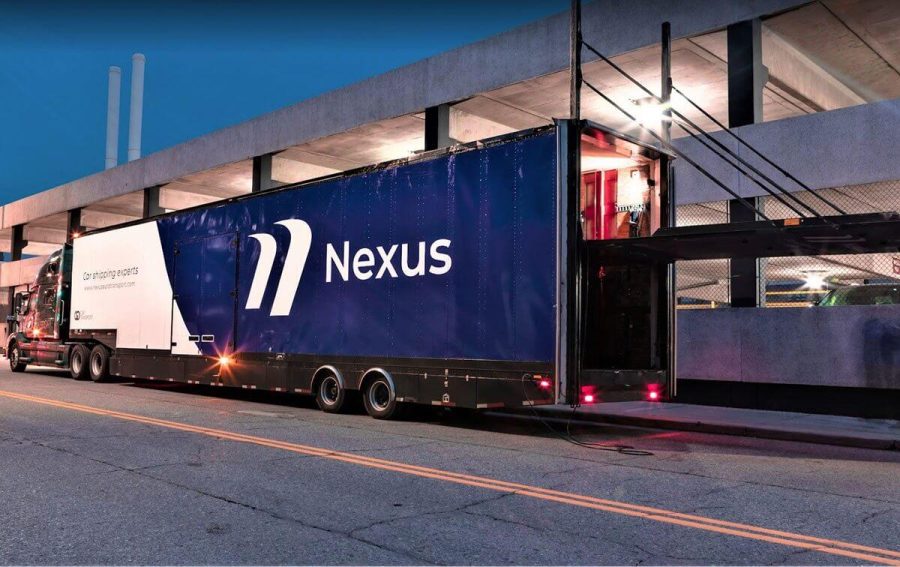
At Nexus Auto Transport, we work with trusted carriers nationwide and monitor route conditions daily. While professional auto transport is built to handle a wide range of road and seasonal conditions, severe weather can still slow down deliveries, reroute trucks, and create delays that no one can fully control.
This guide breaks down exactly how weather impacts car shipping, what seasons cause the most disruption, and how you can plan ahead to protect your schedule and your vehicle.
Why Weather Matters in Auto Transport
Car shipping is a logistics-heavy service. A carrier isn’t just moving one car from Point A to Point B, they’re often transporting multiple vehicles across several cities on a route. That route depends on:
Highway safety conditions
State road closures
Driver safety regulations
Loading/unloading access
Traffic and accident risk
Time limits for commercial drivers
Weather can affect every one of those factors. Even if the vehicle itself is safe on the trailer, carriers must follow safety rules and avoid dangerous driving conditions.
The Biggest Weather Conditions That Affect Car Shipping
1. Snow and Ice
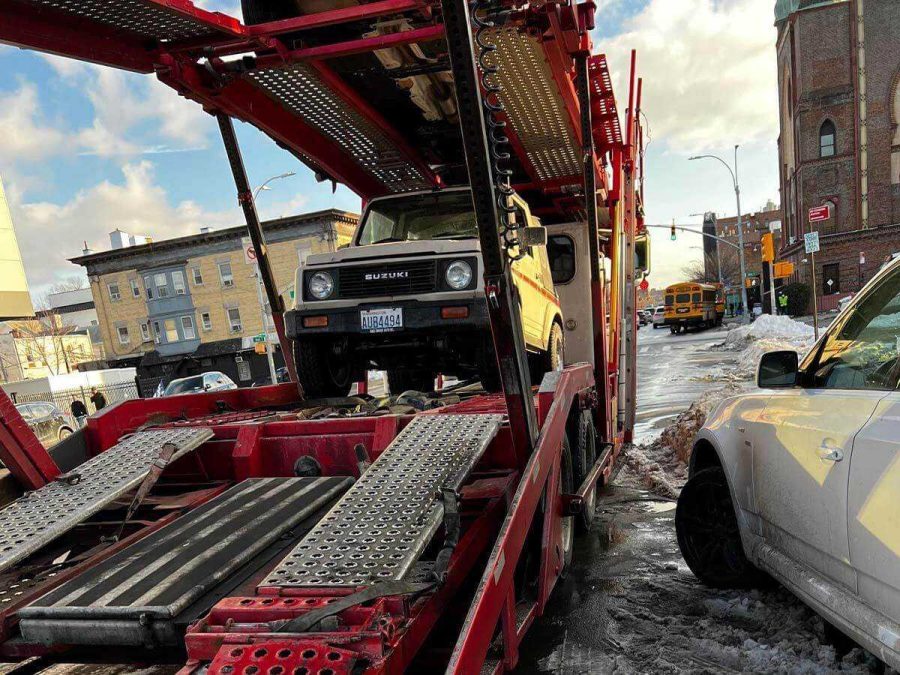
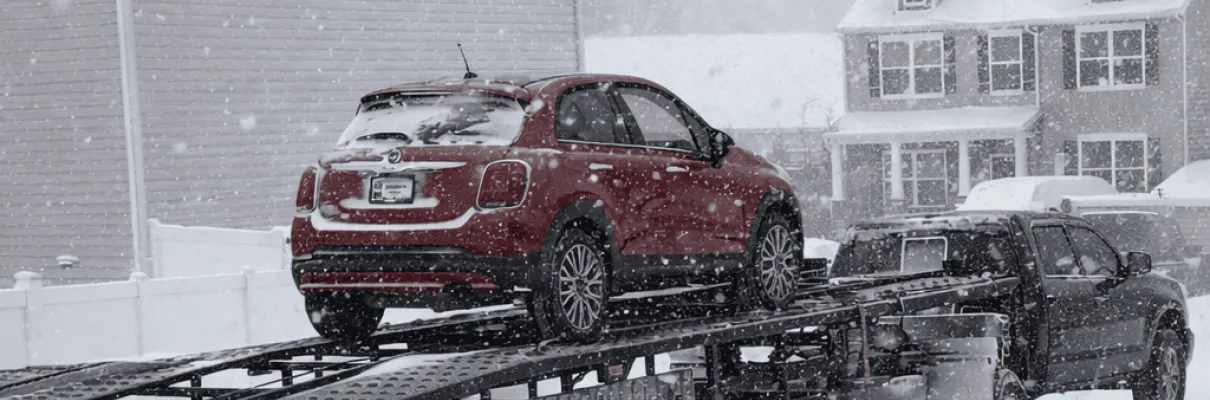
Winter weather is one of the most common causes of delays in vehicle transport. Snowstorms, black ice, and freezing temperatures can shut down highways and slow carrier progress dramatically.
Carriers may need to:
Reduce speed for safety
Wait for plows and road treatment
Take longer alternate routes
Pause transport entirely if roads close
Even if the storm is hundreds of miles away, it can still affect the route.
Also read: How to Move Your Vehicle South for the Winter
2. Heavy Rain and Flooding
Rain itself doesn’t usually stop transport, but heavy rain, flash flooding, and water-covered roadways can create serious issues.
Flooding is particularly disruptive because:
It causes detours that add hundreds of miles
It can make pickup/drop-off locations inaccessible
It increases accident risk and traffic congestion
In severe flooding situations, carriers may be forced to stop and wait.
3. Hurricanes and Tropical Storms
Hurricanes don’t just impact coastal areas. They disrupt transport routes across entire regions.
When hurricanes hit:
Ports close
Roads and bridges shut down
Gas shortages can occur
Carriers avoid affected states for safety
During hurricane season, it’s common for transport timelines to shift quickly.
4. High Winds
High winds are a major concern for auto transport trucks, especially open carriers, which have a large surface area and can be harder to control in gusts.
High wind conditions can lead to:
Reduced speed
Increased rollover risk in exposed areas
Route changes to avoid wind corridors
Temporary stops until wind advisories end
This is especially common in the Midwest and Southwest.
5. Extreme Heat
Heat may not seem like a major issue, but extreme temperatures can affect equipment, tires, and road conditions.
Heat-related issues include:
Tire blowout risk (for both truck and trailer tires)
Engine overheating in slow traffic
Increased wear on hydraulic systems used for loading
Wildfire-related closures in certain states
Heat can also cause carriers to shift schedules, especially in desert areas.
How Weather Impacts Pickup and Delivery Timing
Weather doesn’t just delay trucks while they’re driving, it can also delay the most important moments of the process: pickup and delivery.
If weather affects local conditions, a carrier may have trouble reaching your exact address. This is especially true if:
Your neighborhood has narrow streets
There are steep hills or tight turns
Snowplows haven’t cleared residential roads
Flooding blocks certain entrances
In these cases, Nexus may coordinate a nearby safe meeting point such as a large parking lot, shopping center, or open roadside area.
Does Weather Increase the Price of Car Shipping?
Weather can indirectly affect pricing, especially during high-demand periods.
When major storms disrupt routes, carriers may:
Avoid certain areas
Require more time to complete trips
Face fewer available loads in some regions
Spend more on detours and operating time
This can influence overall market rates and may affect the final car shipping cost, particularly during peak winter storms or hurricane season.
Weather and Long-Distance Transport Routes
Weather becomes a bigger factor the farther your vehicle needs to travel. For example, cross country car shipping often crosses multiple climate zones in a single trip.
A route could begin in sunny California, hit snow in the Rockies, and run into rainstorms in the Midwest. Since carriers must adjust to changing conditions, long-distance shipments are more likely to experience weather-related slowdowns.
Shipping to Another State During Seasonal Weather
Many customers choose to ship a car to another state during winter relocations, college moves, military transfers, or job changes.
But seasonal weather matters. If you're shipping during:
December through February: snow and ice risk
August through October: hurricane risk
July through September: extreme heat and wildfire risk
Planning ahead and booking early gives you more flexibility if conditions change.
Can Weather Affect Vehicle Safety During Shipping?
This is a common concern, and a fair one.
The good news: vehicles are generally very safe on carriers, even in bad weather. Professional carriers are experienced in protecting vehicles during transport.
However, weather does increase the chances of:
Road debris being kicked up
Slower routes and longer exposure time
Minor dirt buildup from rain or snow
If you’re shipping a high-value or luxury vehicle, enclosed shipping is often recommended for additional protection.
Why Auto Transport Is Still Better Than Driving in Bad Weather
Some customers consider skipping transport and driving the vehicle themselves during winter storms or hurricane season. But driving long distances in bad weather is far riskier than shipping.
Many people also consider trying to tow a car long distance, but towing in poor weather can be especially dangerous due to:
reduced braking ability
trailer sway in wind
higher accident risk
poor traction in snow
Auto transport remains one of the safest options when weather is unpredictable.
How Weather Affects Multi-Car Shipping
Customers shipping more than one vehicle often ask whether weather impacts them differently.
In general, weather affects all shipments similarly, but there’s one advantage: carriers are more likely to accept larger loads. If you're shipping multiple vehicles, your order can be more appealing to carriers, which may help with scheduling even during tough weather conditions.
Tracking Your Vehicle When Weather Delays Happen
One of the biggest frustrations customers have is not knowing what’s happening during a delay.
At Nexus, communication is a priority. When weather impacts transport, we help customers stay informed and understand realistic timelines. Many customers also want the ability to track a vehicle in transit, which is why consistent updates and clear dispatch coordination matter so much.
Even when storms slow things down, knowing where your vehicle is and what’s causing the delay helps reduce stress.
How Weather Impacts Delivery Estimates
Weather is one of the main reasons delivery times are estimates rather than guarantees.
That’s why customers frequently ask how long does it take to ship a car, and the most accurate answer is: it depends on the route, season, and current conditions.
Typical transit time ranges can shift when weather is severe. For example:
A 3-day route may become 4–5 days
A cross-country shipment may add 1–3 days
Remote routes may be delayed longer if road access is limited
Nexus provides realistic windows based on current route conditions, not just generic mileage calculators.
How Nexus Auto Transport Minimizes Weather Disruptions
Weather is unavoidable, but delays can be reduced with strong logistics and proactive planning. At Nexus Auto Transport, we help minimize disruption by:
Working with experienced carriers who know seasonal routes
Avoiding unsafe pickup/drop-off conditions
Providing realistic transit expectations
Adjusting routes quickly when closures occur
Maintaining clear communication with customers
A reliable car transport company doesn’t just move vehicles; it manages the entire process when conditions change.
Final Thoughts
Weather can affect nearly every part of the vehicle shipping process, from pickup access to carrier routes to delivery timing. Snow, hurricanes, flooding, high winds, and extreme heat can all create delays, detours, or temporary shutdowns.
FAQs: Weather and Car Shipping
Does car shipping get delayed in winter?
Yes, winter is one of the most common seasons for delays due to snow, ice, and road closures, especially in northern states and mountain routes.
Can my car be damaged by weather during shipping?
Damage from weather is rare, but vehicles may arrive dirty due to rain or snow. Enclosed shipping provides extra protection for high-end vehicles.
Will a carrier still pick up my car during a storm?
If conditions are unsafe, carriers may delay pickup for safety reasons. In many cases, they’ll reschedule as soon as roads reopen.
Does weather affect shipping prices?
Weather can indirectly raise pricing when carrier availability drops or routes require detours. This is especially common during major storms.
What should I do if my area is flooded or snowed in?
If your street is inaccessible, Nexus can coordinate a nearby meeting point to safely load or unload the vehicle.
Are some routes more weather-prone than others?
Yes. Mountain routes, northern highways, and coastal areas during hurricane season are more likely to experience disruptions.
Can I still ship my car during hurricane season?
Yes, but it’s important to book early and stay flexible. Carriers may avoid certain areas if evacuation orders or closures are in effect.