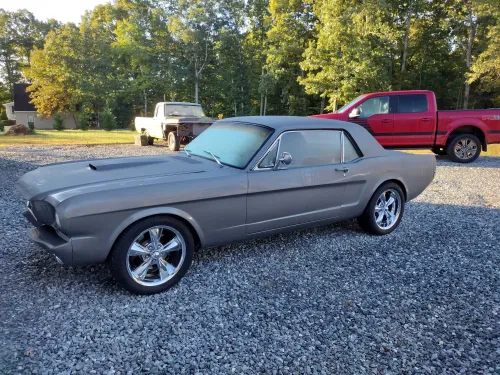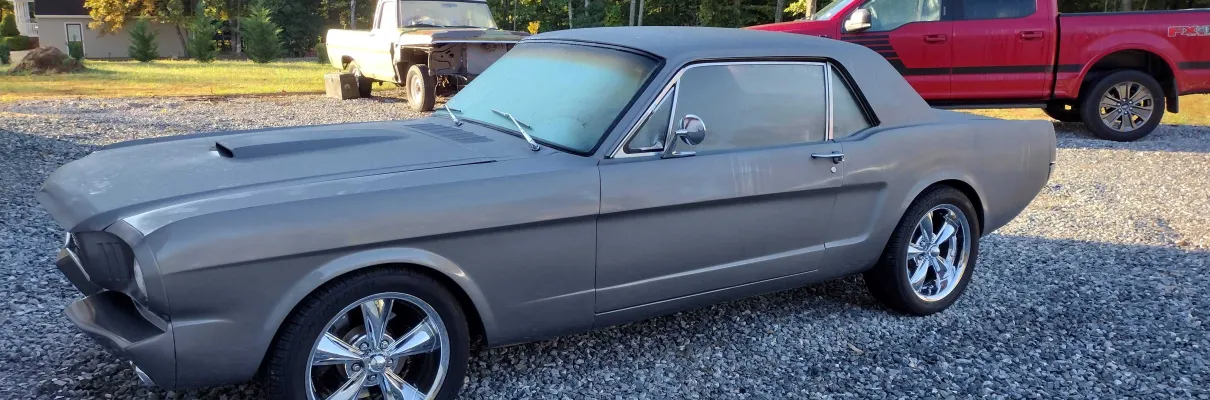

Finding the right car doesn't always mean finding it close to home. The exact model, color or price you want may be sitting at a dealership or in a private seller's driveway 800 miles away. Online shopping has made those cars easier to find, but crossing a state line raises questions that don't come up in a local purchase.
So, can I buy a car in another state legally? Yes. The purchase itself isn't the problem. What matters is satisfying the title, tax, insurance, inspection and registration requirements that apply to you and the vehicle.
The details can vary considerably by state. Before putting down a deposit, find out what your home state will require and whether driving the vehicle home changes the tax or temporary-registration situation.
Is Buying a Car in Another State Legal?
There's no general prohibition against buying a car in another state. You can purchase a new or used vehicle from an out-of-state dealership or private seller and bring or ship it home.
The paperwork is where things get more complicated. Your home state ultimately determines what you'll need to title and register the vehicle there. That may include the properly assigned title, bill of sale, proof of insurance, tax documentation, odometer disclosure and an inspection or VIN verification.
This applies whether you shop at a traditional dealership or buy a car online. Before committing to a remote purchase, ask the seller exactly which ownership and sales documents you'll receive.
Don't assume an out-of-state dealer routinely handles your state's paperwork. Some dealers are set up to collect another state's taxes and process registration documents. Others aren't.
Check the Title, VIN and Vehicle History Before You Pay
Distance makes verification more important, not less. Start with the title. Make sure the seller has the legal authority to transfer the vehicle and determine whether a lien is listed. For a used car, compare the title information with the actual Vehicle Identification Number (VIN) on the vehicle.
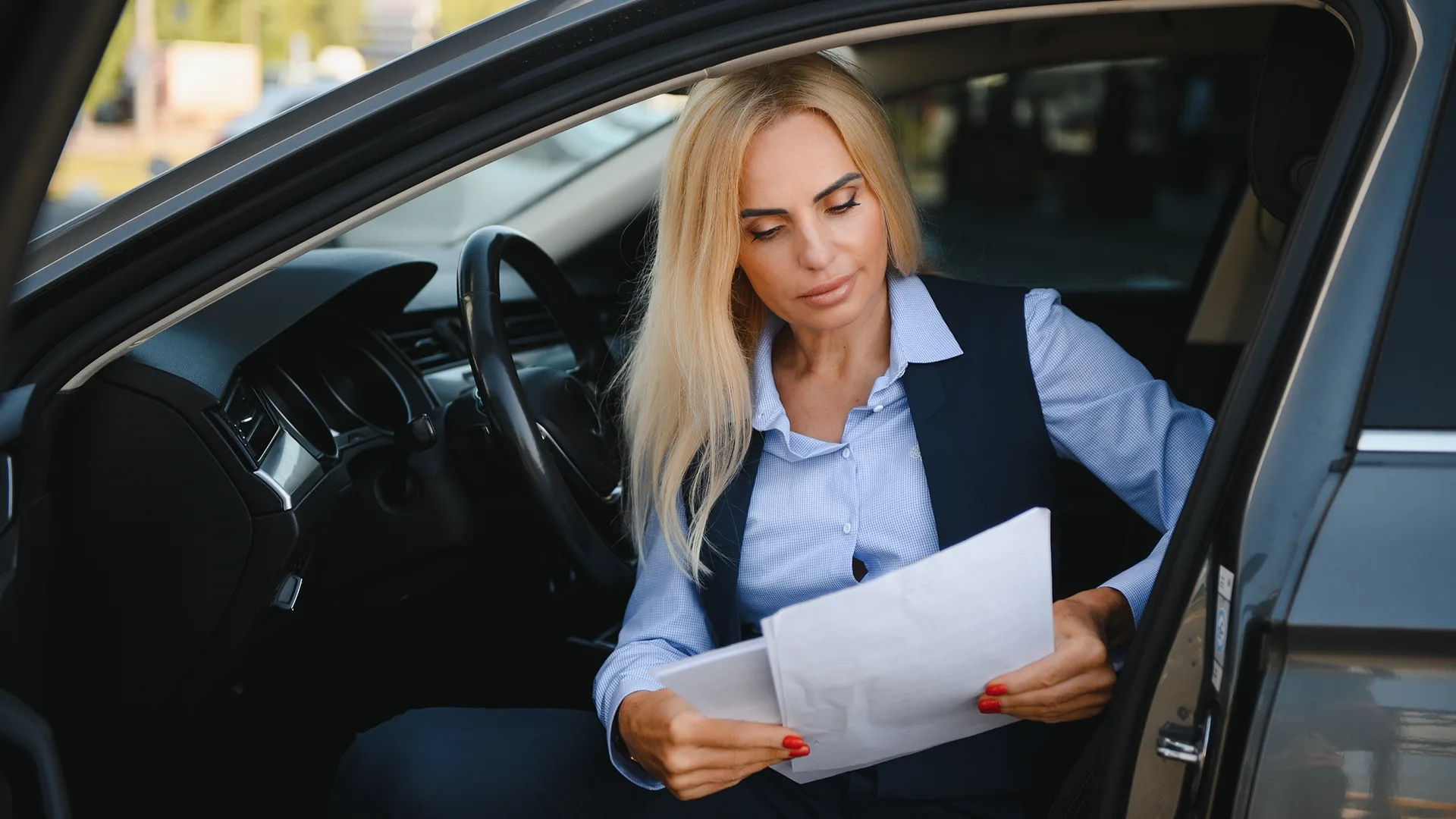
A vehicle history report can reveal reported title brands, ownership changes, odometer information and accident history. A clean-looking car can still have a history that affects its value or your willingness to buy it.
For an expensive or unfamiliar used vehicle, arrange an independent pre-purchase inspection near the seller. That's especially valuable when you plan to buy a car without seeing it.
How Do Taxes Work When You Buy a Car Out of State?
This is where a simple answer such as "you pay tax in your home state" can get you into trouble.
State rules differ. An out-of-state dealer may collect tax when you purchase the vehicle, your home state may collect tax when you title or register it or both states may become part of the transaction with a credit applied for qualifying tax already paid.
New York provides a good example. When registering an out-of-state purchase, the New York State Department of Motor Vehicles (DMV) requires the buyer to pay sales tax, show that it was already paid or establish an exemption. If qualifying sales tax was paid to another state, New York may allow a credit depending on its agreement with that state. For details, review the DMV's Sales Tax Information.
Texas also allows credit against its motor vehicle use tax for qualifying sales or use tax paid to another state. The Texas Comptroller of Public Accounts notes that out-of-state dealers may collect tax at the time of sale and that Texas buyers can receive credit for legally imposed tax already paid.
The practical lesson is simple: find out how your home state will tax the transaction before paying the seller. Ask the dealership whether it will collect your home-state tax and get the answer in writing on the purchase paperwork.
Driving the Car Home Can Change the Tax Picture
Buying the car and taking possession of it aren't always the same thing for tax purposes.
California is an important example. The state's rules can depend on where and how delivery occurs, whether the vehicle is operated in California and how it leaves the state. The California Department of Motor Vehicles (DMV) explains the requirements for vehicles transported out of California in Refunds on Vehicles Delivered Out of State.
That creates a distinction worth investigating before you fly out and drive a newly purchased vehicle home. Driving it off the dealer's lot may involve different paperwork or tax consequences than arranging transportation without operating it on public roads in the seller's state.
Don't try to solve this at the sales desk after you've already signed the contract. Ask the dealer and the appropriate state tax or motor vehicle agency what applies to your transaction.
If transporting the car makes more sense, shipping a car to another state lets the vehicle travel without adding hundreds or thousands of miles immediately after purchase.
Out-of-State Car Purchase Requirements by Top States
These examples show why buyers need to check their own state rather than rely on one nationwide checklist.
State |
Sales Tax Rule |
Transit Permit Required |
Physical VIN Inspection Needed |
|---|---|---|---|
California |
California use tax may apply to an out-of-state purchase; qualifying tax paid elsewhere may receive credit |
Depends on how the vehicle is moved and operated |
Yes for an out-of-state title transfer, with qualifying verification procedures |
Texas |
Motor vehicle use tax applies to qualifying out-of-state purchases; credit may be available for tax legally paid to another state |
Depends on registration status and how the vehicle is driven into Texas |
Requirements depend on the vehicle and current Texas title/registration procedures |
Florida |
Florida tax rules can allow credit for qualifying tax paid in another state |
Depends on how the vehicle is operated before Florida registration |
VIN verification is required for vehicles previously titled out of state |
New York |
Sales tax must be paid, shown as previously paid or exempt; qualifying out-of-state tax may receive credit |
Depends on the registration or permit used to drive the vehicle |
A general physical VIN inspection is not listed as a standard requirement for ordinary out-of-state registration |
California DMV states that registering an out-of-state vehicle requires a physical inspection, including VIN verification, and that most vehicles also require a California-certified smog check. Florida procedures likewise require VIN verification for vehicles previously titled outside the state.
These requirements can change, and special cases exist. Verify the current rules with your state motor vehicle and tax agencies before buying.
Make Sure the Car Can Be Registered in Your State
A valid title doesn't automatically mean the vehicle will satisfy every registration requirement back home.
California, for example, has emissions requirements that can prevent some vehicles from being registered. California DMV specifically warns that vehicles registered in the state must meet California requirements, including applicable emission-control standards.
Other states may require safety or emissions inspections after the vehicle arrives. Modified cars can create additional problems if equipment that was legal in the seller's state doesn't comply with your state's requirements.
That's one reason buying a used car out of state deserves more homework than simply comparing prices. Check registration requirements before the sale becomes final, particularly when shopping for a modified, rebuilt, salvage or emissions-sensitive vehicle.
Dealer Purchase vs. Private-Party Purchase
A dealership can make an interstate transaction easier because its finance or title department may be familiar with out-of-state buyers. But don't assume every dealer provides the same service.
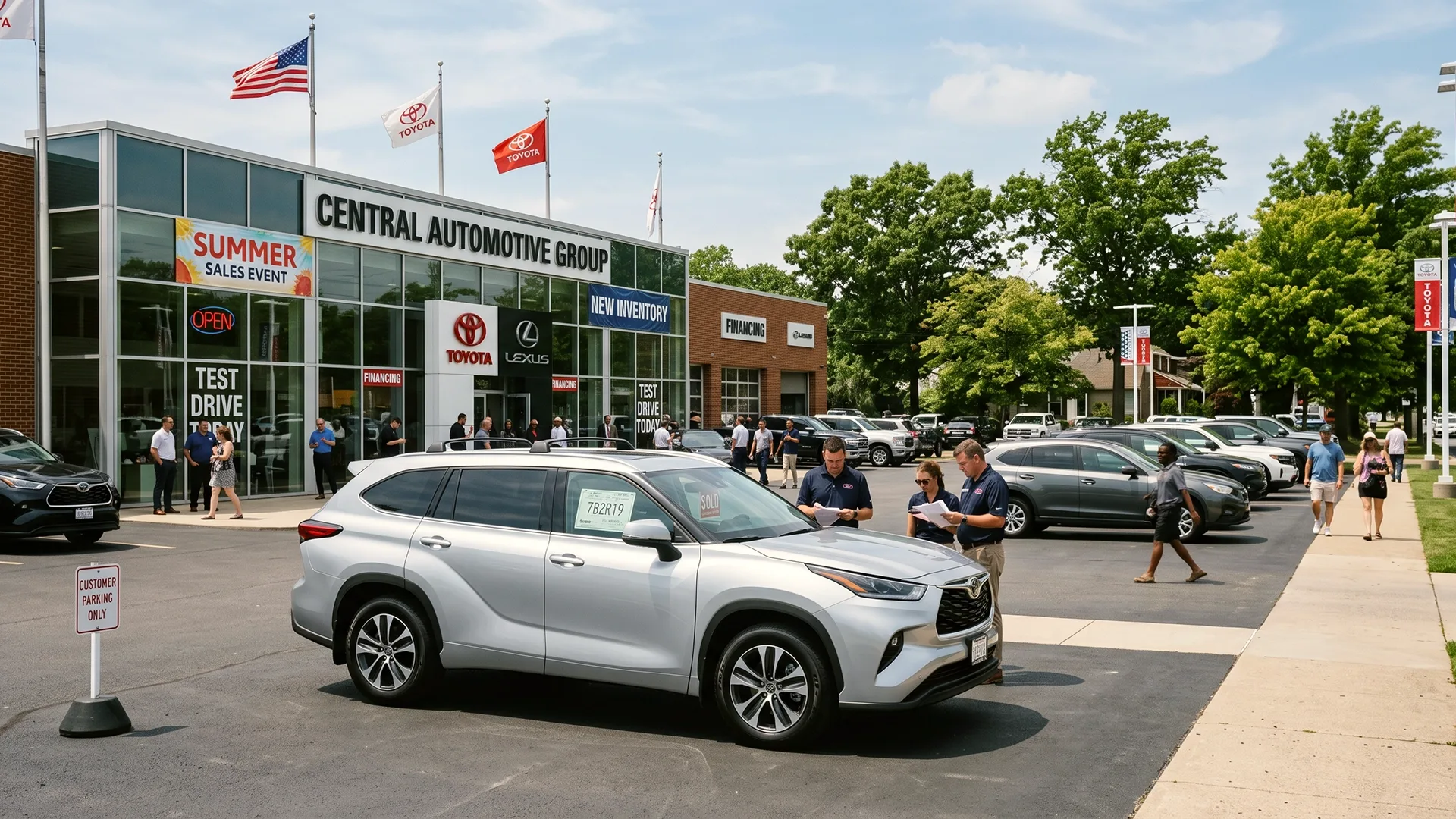
Ask whether the dealer will:
- Collect your home-state sales or use tax
- Prepare title paperwork for your home state
- Provide a temporary registration or permit
- Send documents directly to your DMV
- Coordinate pickup with an auto transport carrier
A private-party purchase puts more responsibility on you. You'll generally need a properly assigned title and bill of sale, along with whatever tax, insurance and registration documentation your home state requires.
Before sending money to an unfamiliar seller, review How to Avoid Scams When Buying a Car Across State Lines. Verify the seller, vehicle and paperwork independently rather than relying solely on photos, messages or documents supplied online.
Should You Drive an Out-of-State Purchase Home or Ship It?
Driving the car home can be appealing. You get the keys and immediately start enjoying your purchase. For a relatively short trip with valid temporary registration and insurance, that may be perfectly reasonable.
Longer trips involve more tradeoffs. You'll need to determine whether the vehicle can legally be driven through each state on the route, obtain any necessary temporary permit and make sure insurance coverage is active before leaving.
Then there's the trip itself. Fuel, lodging, meals, tolls and a flight or other transportation to the seller can narrow the apparent savings. You're also putting highway mileage on a car you may have just bought without much opportunity to learn its condition.
Professional car shipping avoids the drive and can simplify the handoff when the seller or dealership is willing to meet the carrier. Open transport works for most everyday vehicles, while enclosed transport may make sense for a valuable classic, exotic or collector car.
Shipping doesn't eliminate your tax and registration responsibilities. It simply gives you another way to get the vehicle home without personally driving it across state lines.
Get the Paperwork Before the Vehicle Leaves the Seller
A missing document can turn an exciting purchase into weeks of phone calls.
At minimum, confirm what your state requires and make sure the seller provides the applicable ownership and transaction documents. These commonly include:
- Properly assigned title or manufacturer's ownership document
- Bill of sale or dealer invoice
- Odometer disclosure when required
- Lien release when applicable
- Tax receipt or proof of tax collected
- Temporary registration or transit documentation if you're driving the car
- Any state-specific forms needed for title transfer
New York DMV, for example, requires acceptable proof of ownership before it will issue a New York title. For a used vehicle purchased from an out-of-state dealer, that can include the dealer's bill of sale and the prior owner's out-of-state title properly transferred to the buyer.
Take clear copies or scans before the vehicle leaves. If the dealer is sending original documents separately, find out when and how they'll be delivered.
FAQs
How Long Can I Drive an Out-of-State Vehicle on a Temporary Tag Before Registering It?
There isn't one nationwide time limit. Temporary tags and transit permits are issued under state law, and their validity depends on the issuing jurisdiction and permit type.
Your home state may also impose its own registration deadline. New York residents who acquire a vehicle from another state and intend to drive it on New York roads, for example, generally must register it in New York within 30 days.
Check both the expiration date of your temporary authorization and your home state's registration deadline. Don't assume one automatically extends the other.
What Happens if the Out-of-State Vehicle Does Not Pass My Home State Safety Inspection?
That depends on your state's rules and why the vehicle failed. You may have to repair the problem and have the car reinspected before completing or maintaining registration.
This is a risk worth checking before purchase, particularly with modified vehicles or cars coming from states with different inspection and emissions standards. Ask for a pre-purchase inspection and research your home state's requirements before the transaction becomes final.
Can I Pay the Vehicle Sales Tax Directly to the Out-of-State Dealership?
Sometimes. It depends on the dealer and the states involved.
Some out-of-state dealerships are authorized or equipped to collect tax for the buyer's home state. In other transactions, the buyer pays tax when applying for title or registration at home. New York DMV, for example, has procedures for vehicles purchased from out-of-state dealers that are authorized to collect New York sales tax, as well as procedures for claiming qualifying credit when tax was paid to another state.
Ask the dealer exactly which state's tax it is collecting and how that payment will be documented before you sign.
Do I Need to Physically Bring the Vehicle to My Local DMV for a VIN Verification?
It depends on your state. California requires physical verification for an out-of-state title transfer, although qualifying verification can sometimes be completed outside California under specified procedures. Florida also requires VIN verification for vehicles previously titled out of state and allows certain authorized people to perform it.
Other states handle out-of-state registration differently. Check your home DMV's current requirements before assuming the vehicle must appear at a local office.
Buy Across State Lines Without Creating a Paperwork Problem
The answer to can I buy a vehicle in another state is yes, but the smart time to investigate taxes and registration is before money changes hands.
Verify the title and VIN, check your home state's inspection requirements and find out exactly where sales or use tax will be paid. Then decide whether driving the vehicle home or having it transported makes more sense for the distance, paperwork and car you've purchased.
If the car is coming to you rather than the other way around, Nexus Auto Transport can coordinate pickup with the seller or dealership and arrange delivery near your destination.